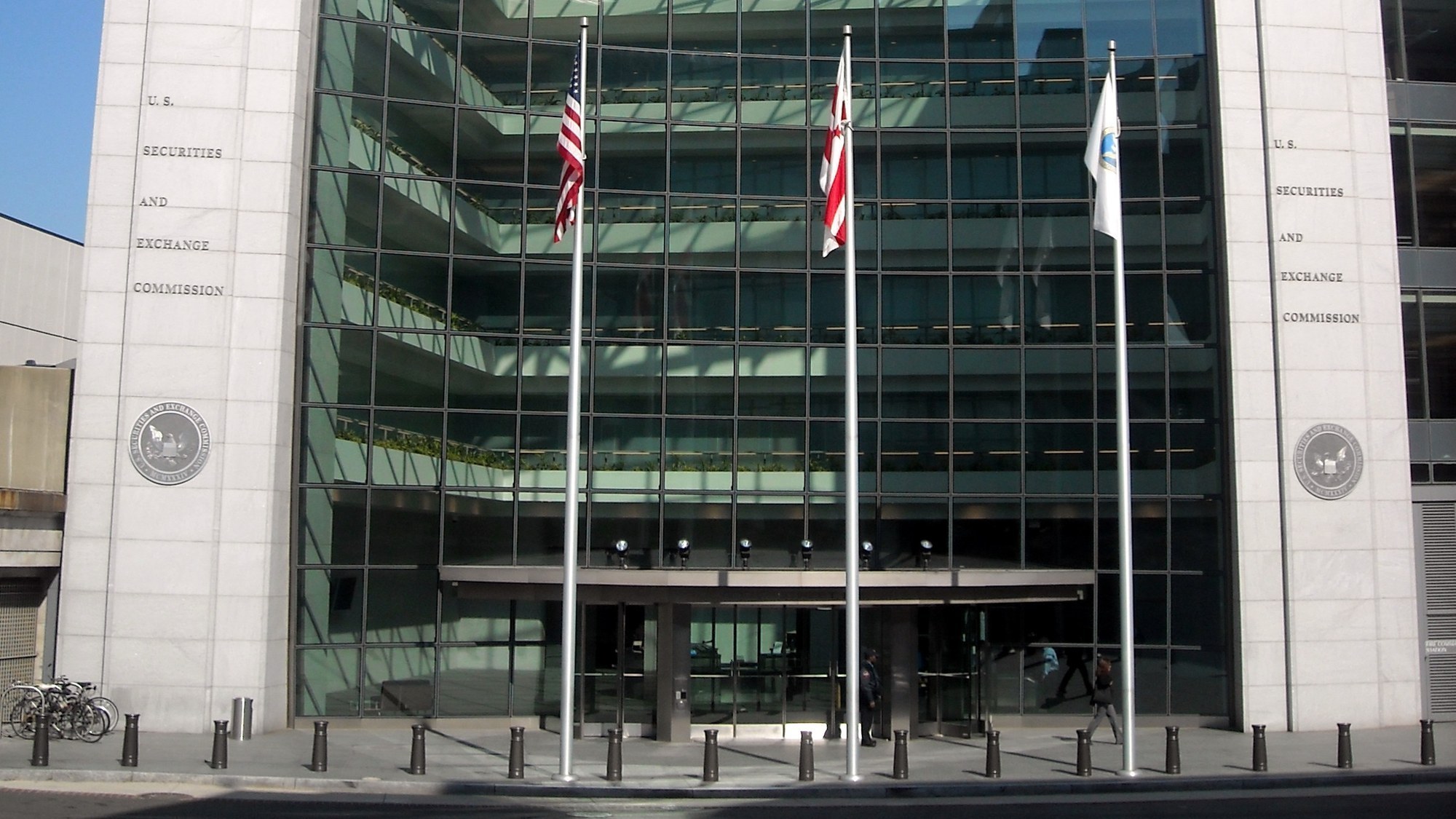
The Securities and Exchange Commission has ordered its staff to release $5,745,371.66 from a Fair Fund built years ago against Comscore, Inc. and the company’s former chief executive, clearing the way for payments to reach investors who bought the stock while the company was quietly inflating its own numbers. The order is dated September 2, 2026, seven years after the underlying fraud case was settled and nearly two years after the Commission approved how the money would be divided. For most investors in line for a share, the paperwork is already finished; what changed this month is that the government told its bank to send the money.
A $43 Million Revenue Overstatement Becomes a $5.75 Million Fair Fund
The case traces back to findings the Commission made in September 2019: from February 2014 through February 2016, Comscore’s public filings materially overstated revenue by about $43 million, according to the Commission’s own account of the matter. Regulators found that manipulated contracts, not real sales, let the media-measurement company appear to beat Wall Street’s consensus revenue estimate in seven consecutive quarters. Comscore and former Chief Executive Serge Matta settled the resulting cease-and-desist proceedings and agreed to pay $5 million and $700,000 in civil penalties, respectively, for a collective $5.7 million. Because that money was a penalty rather than profit the company had to give up, it could reach harmed investors only after the Commission created Fair Funds under the Sarbanes-Oxley Act — first as two separate funds tied to the Comscore and Matta orders, then consolidated into a single Comscore Fair Fund in April 2023 so both penalties could move through one distribution. The Commission later appointed Miller Kaplan Arase LLP as the fund’s tax administrator and, in December 2023, named JND Legal Administration to oversee the actual distribution to investors.
Free settlements tracker: Open settlements have claim deadlines, and fake settlement sites copy real ones. See the current list with the free tracker.
The February 2014 to March 2018 Stock-Purchase Window
Eligibility for a share of the fund does not depend on whether an investor still owns Comscore stock today. The Plan of Distribution the Commission approved in November 2024 covers investors who purchased or acquired Comscore common stock from February 20, 2014, through March 23, 2018, inclusive — the stretch during which the Commission determined the market price was distorted by the false revenue figures. Someone who bought during that window and later sold at a loss, sold at a gain, or still holds the position can potentially qualify. How much of the $5.75 million reaches any single account depends on the Plan of Allocation attached to the Plan of Distribution as Exhibit A, not a flat per-share payment, weighing the size and timing of each purchase against how much the stock price is estimated to have been inflated on the date of the trade. The Commission published that Proposed Plan for public comment in September 2024 and received no objections before approving it two months later, the ordinary path a Fair Fund plan takes when the methodology goes unchallenged.
A Closed Claims Bar Date Is Why the Money Is Moving Now
The order authorizing the September transfer states plainly that the claims process is over: the Claims Bar Date has passed, and the Fund Administrator has already processed every timely submitted claim, notifying anyone whose claim was denied in whole or in part and giving that person a chance to cure the problem, according to the Commission’s Order Directing Disbursement. That sequencing matters for how an eligible investor should read this news: nobody needs to file a new claim in response to the September 2 order, because that door closed earlier in the process. What Commission staff actually did was review a completed payment file from the Fund Administrator, JND Legal Administration, and authorize moving $5,745,371.66 into the Fair Fund’s escrow account at Huntington National Bank so JND can issue the payments the plan already approved. An investor who held Comscore stock inside a brokerage-based IRA or 401(k) during the class period, and whose claim was identified and processed through that broker’s or custodian’s own account records, does not need to hunt down a form or call a hotline to collect a share; the disbursement moves through the account information the Fund Administrator already has on file.
Spotting a Fee-Charging Impostor Behind a Real Fair Fund Payment
A public order like this one creates an opening for a second kind of loss. The SEC’s Office of Investor Education and Advocacy has long warned that investors who already lost money to a securities violation are frequent targets for a follow-up approach: someone who claims a fee, a Social Security number, or bank login details are needed to release, speed up, or confirm a settlement payment. The Commission’s own investor bulletin on recovering money from securities violations describes how a legitimate Fair Fund actually works: a court-appointed or Commission-appointed distribution agent runs a claims or notification process to identify who qualifies and pays those investors directly, with no fee required at any step. No legitimate part of the Comscore Fair Fund process asks an investor to pay anything to receive, release, or expedite a payment. Anyone contacted about this specific fund should check the claim against Release No. 34-106258 and reach the Fund Administrator, JND Legal Administration, at the phone number the Commission itself publishes on its Comscore distribution page — 1-877-231-0640 — rather than a callback number supplied by whoever placed the call.
Telling a Real Fair Fund Notice From a Fake One
The Comscore case shows how much paperwork sits behind a single settlement payment: a release number, a named fund administrator, an escrow bank, and a purchase window measured to the day. Most people never see that much documentation before a payment arrives, which is exactly why a letter, email or phone call about an entirely different settlement can borrow the same official-sounding details and still be fake.
The Settlement & Refund Recovery System is a 36-page guide built around the four-date rule for reading a settlement notice and the scam-proof rules for confirming a distribution before responding to it.
Compare a new notice against the source vault of 12 official places money sits in The Settlement & Refund Recovery System.
This article was researched and drafted with the assistance of AI and reviewed by an editor.