Tanker operators, fuel buyers, and drivers paying $4.55 a gallon for gasoline are all waiting on the same question: when will ships actually move through the Strait of Hormuz again? The United States and Iran reached an initial agreement to end their conflict and reopen the strait, with an electronic signing completed Sunday and a ceremonial signing set for Friday in Geneva. Yet the gap between diplomatic ceremony and operational reality is already raising hard questions about how quickly relief reaches the pump.
Why the Friday Geneva signing does not equal open shipping lanes
The deal’s core operational element is reopening the Strait of Hormuz, the narrow passage through which roughly a fifth of the world’s traded oil flows. Both governments confirmed the terms in an initial agreement signed electronically Sunday, but the Friday ceremony in Geneva is designed to formalize commitments in front of international witnesses rather than flip a switch on tanker traffic.
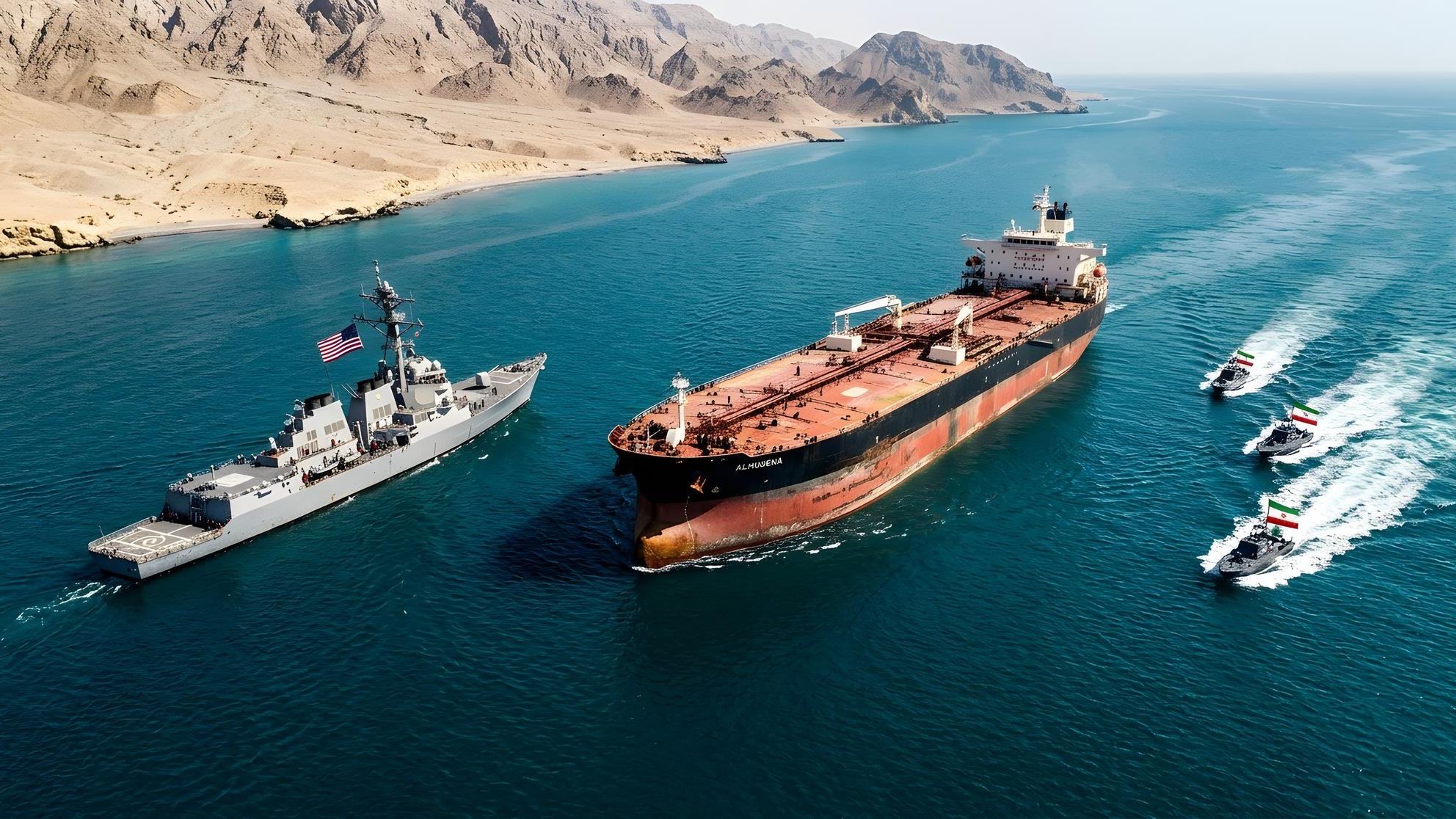
That distinction matters because the U.S. military has not cleared the waterway for commercial vessels. According to the Associated Press, a U.S. military advisory to merchant ships describes the reopening as “pending execution” and instructs captains: “Do not attempt to cross until explicit direction is given.” Those two phrases sit in direct tension. One signals that the process is underway; the other tells shipping companies the strait is still off-limits. Until the Navy issues a new notice authorizing transit, no insured commercial vessel is likely to enter the passage.
The practical test is straightforward. If the first authorized commercial transit happens within hours of the Friday ceremony, the deal’s operational timeline will have matched its diplomatic one. If days or weeks pass before ships receive clearance, fuel markets will price in continued supply disruption regardless of what diplomats announce in Geneva. Tracking the first post-deal transit timestamp against the ceremony date will show whether the agreement delivers immediate supply relief or merely a political milestone.
What the signed text and military advisory actually say
Two primary pieces of evidence define the current state of play. The electronic agreement signed Sunday establishes the framework for ending hostilities and restoring shipping through the strait. The Associated Press confirmed that reopening Hormuz is the central operational commitment in the deal, with both Iranian and U.S. officials acknowledging the terms before the Geneva event.
The second piece of evidence is the military advisory still active for merchant shipping. Its language, “pending execution” paired with “Do not attempt to cross until explicit direction is given,” tells fleet operators that the diplomatic text has not yet translated into a naval green light. No official statements or logs from Iranian or U.S. naval commands have confirmed when that advisory will be lifted. No shipping registries or port authorities have reported any vessels cleared to transit the strait since Sunday’s electronic signing.
The full terms of the agreement have not been released by either government. That absence means independent analysts cannot verify whether the deal includes specific deadlines for mine clearance, escort protocols, or insurance guarantees that shipping companies need before sending tankers through. Without those details, the Friday ceremony carries symbolic weight but leaves the operational timeline uncertain.
Unresolved gaps between the deal and the fuel price drivers
Several questions remain open. First, no Iranian officials have publicly detailed how quickly their naval units will stand down or whether any remaining mines or unmanned systems must be cleared before traffic resumes. If Iran insists on a phased drawdown tied to political steps by Washington, that could delay the practical reopening even after diplomats finish signing documents in Geneva.
Second, U.S. commanders have not specified what level of security they require before advising commercial ships to transit. A minimal posture might involve surveillance and rapid-response forces on standby; a more robust approach could mean organized convoys with warship escorts. Each additional layer of protection adds time and complexity to the restart, and until those rules are published, shipowners are planning in the dark.
Insurance is the third unresolved piece. War-risk underwriters base premiums on official advisories and observed incidents, not just diplomatic announcements. As long as the current military warning remains in place, insurers are likely to treat Hormuz as an active war zone, keeping rates elevated and discouraging smaller operators from entering. Even once the advisory changes, some insurers may wait for several uneventful transits before meaningfully cutting premiums.
Fuel markets are already reacting to these uncertainties. Futures traders are parsing every phrase from Washington and Tehran for clues about timing, while physical buyers are scrambling to secure alternative supplies from West Africa, the Americas, and the North Sea. That re-routing can ease immediate shortages but at a higher cost, as longer voyages tie up tankers and increase freight rates. Those added logistics costs filter down into wholesale prices and, ultimately, the numbers drivers see at the pump.
Finally, there is the risk of miscalculation or spoilers. A single incident in or near the strait-a stray missile, a drone crash, or a confrontation between patrol boats and a commercial tanker-could prompt navies to keep restrictions in place even after the Geneva ceremony. Markets will be watching not just for the first authorized transit, but for a pattern of safe passages that suggests the agreement is holding under real-world conditions.
For now, the gap between a signed framework and actual tanker movements is the key variable for fuel prices. Until the military advisory changes and ships begin sailing through Hormuz under clear, publicly known rules, the diplomatic breakthrough will remain largely theoretical for consumers still paying elevated prices at the pump.