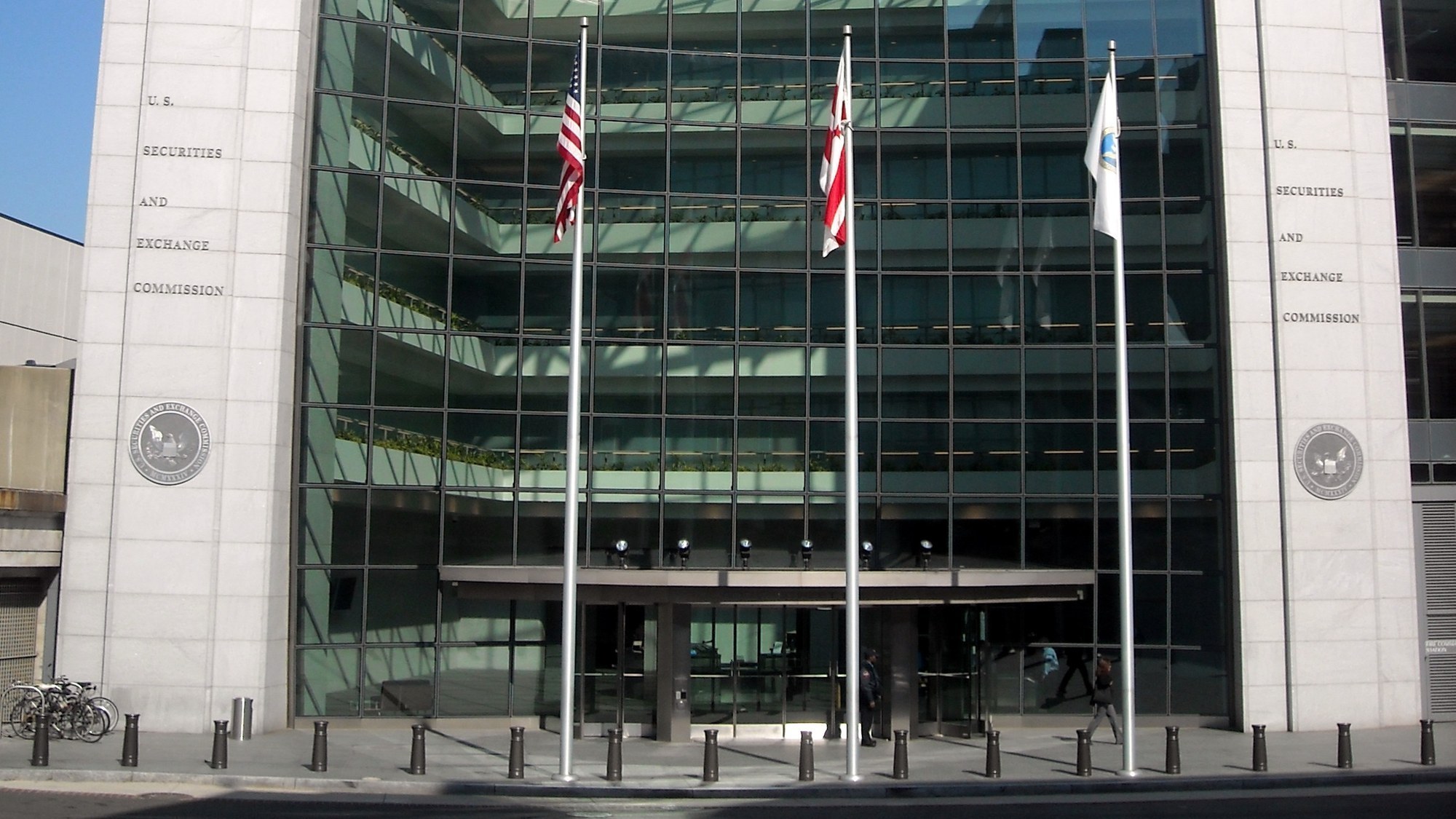
A corporate secret can move a stock price before ordinary investors have any chance to react. The Securities and Exchange Commission says a Desktop Metal director passed confidential acquisition information to three friends who allegedly earned a combined $497,124. The case traces the advantage from a board-level relationship to coordinated purchases and rapid sales after the announcement.
The alleged edge was a pending acquisition premium
Desktop Metal was preparing to acquire The ExOne Company in 2021 at a premium to its market price. A director and former senior executive, Ali El Siblani, had access to that material nonpublic information through his role at the company.
The SEC alleges that El Siblani breached his duty by tipping three friends before the transaction became public. According to the complaint, the friends began building substantial ExOne positions shortly after communicating with him and continued buying until the announcement.
Free retirement updates: Want plain-English help keeping more of your money in retirement? The free Retirement Shield newsletter covers scams, benefits, and money many retirees may be owed, a couple times a week. Subscribe free.
Three profit figures produce the headline total
The SEC’s July 17 litigation release attributes alleged illicit profits of $218,036 to Jamal Chammout, $218,082 to Ali Jawad and $61,006 to Rabih Rakha. Those amounts total $497,124.
The regulator says the three accumulated positions before Desktop Metal announced the ExOne deal on August 11, 2021, then sold quickly after the public news. The alleged misconduct is not that they happened to predict a takeover. It is that their trading decision allegedly rested on information obtained through a director who owed duties to the public company and its shareholders.
Investor.gov’s definition of illegal insider trading includes trading on material nonpublic information and tipping such information. It also distinguishes those acts from lawful transactions by corporate insiders that are reported under securities rules.
Proposed settlements do not end the entire case
The SEC charged El Siblani and all three friends with antifraud violations. El Siblani, Jawad and Rakha agreed to proposed final judgments without admitting the allegations. Those judgments remain subject to court approval.
Under the proposals described by the SEC, El Siblani would pay a $497,124 civil penalty and accept a four-year officer-and-director bar. Jawad and Rakha would each pay disgorgement, prejudgment interest and civil penalties tied to their alleged gains. Chammout has not joined the announced settlements, so the claims against him continue on a different track.
This posture is important for retirement investors reading enforcement releases. A filed complaint states allegations. A consent can resolve claims without an admission. A proposed judgment is not final until a court enters it. Combining those stages into a declaration that every defendant was convicted would misstate a civil case.
Ordinary investors pay for an unequal information market
A takeover premium can create a sharp one-day gain. When selected traders buy before the public announcement, they can capture the price adjustment that diversified funds and household investors only see after the news. The dollar loss is not necessarily assigned one-for-one to a particular retiree, but the market-quality harm is the same: the trade allegedly occurred before equal disclosure.
Retirement savers should not imitate unexplained concentration around rumored deals. Acquisition bets can fail, be delayed or be repriced, and options can expire worthless. A tip from a friend with a corporate connection creates legal risk in addition to investment risk; distance from the company does not cleanse information that remains confidential.
Suspicious trading or a solicitation built around claimed secret information can be submitted through the SEC’s tips, complaints and referrals portal. A useful report preserves dates, messages, account names and the words used to describe the supposed source rather than speculating about a person’s intent.
The litigation record sets the boundary
The alleged trading happened in 2021, but the current event is the SEC’s July 2026 filing and proposed resolutions. That keeps the title tied to a recent enforcement action without converting old trades into breaking market activity.
As of the agency’s current release, the SEC alleges that three friends made exactly $497,124 after receiving a public-company secret from a director. Court approval is still required for the three proposed judgments, and the unresolved defendant remains entitled to contest the allegations. Later docket entries, not the initial complaint, will establish the final relief.
Compliance risk can extend to family accounts. A director or employee who shares confidential news with a spouse, friend or adviser can create a trail even if the insider never places a personal trade. Brokerage records, messages and the timing of purchases can allow regulators to reconstruct who knew what before an announcement.
Retirees serving on nonprofit, private-company or public-company boards should treat deal information as restricted until counsel confirms public disclosure. Trading through an IRA does not create an exemption; the account’s tax treatment is unrelated to securities law. Preclearance policies and blackout periods provide useful discipline, but possession of material nonpublic information remains the central problem.
Advisers who receive an unusual instruction should document its stated basis and follow firm escalation procedures. A client’s insistence that a trade happen before a named announcement is a compliance signal, not merely market enthusiasm.
This article was researched and drafted with AI assistance and reviewed against the linked primary sources.
More Financial Reading
- The ideal retirement withdrawal rate so your savings actually last
- Bank statements: how long to keep them and when to toss them