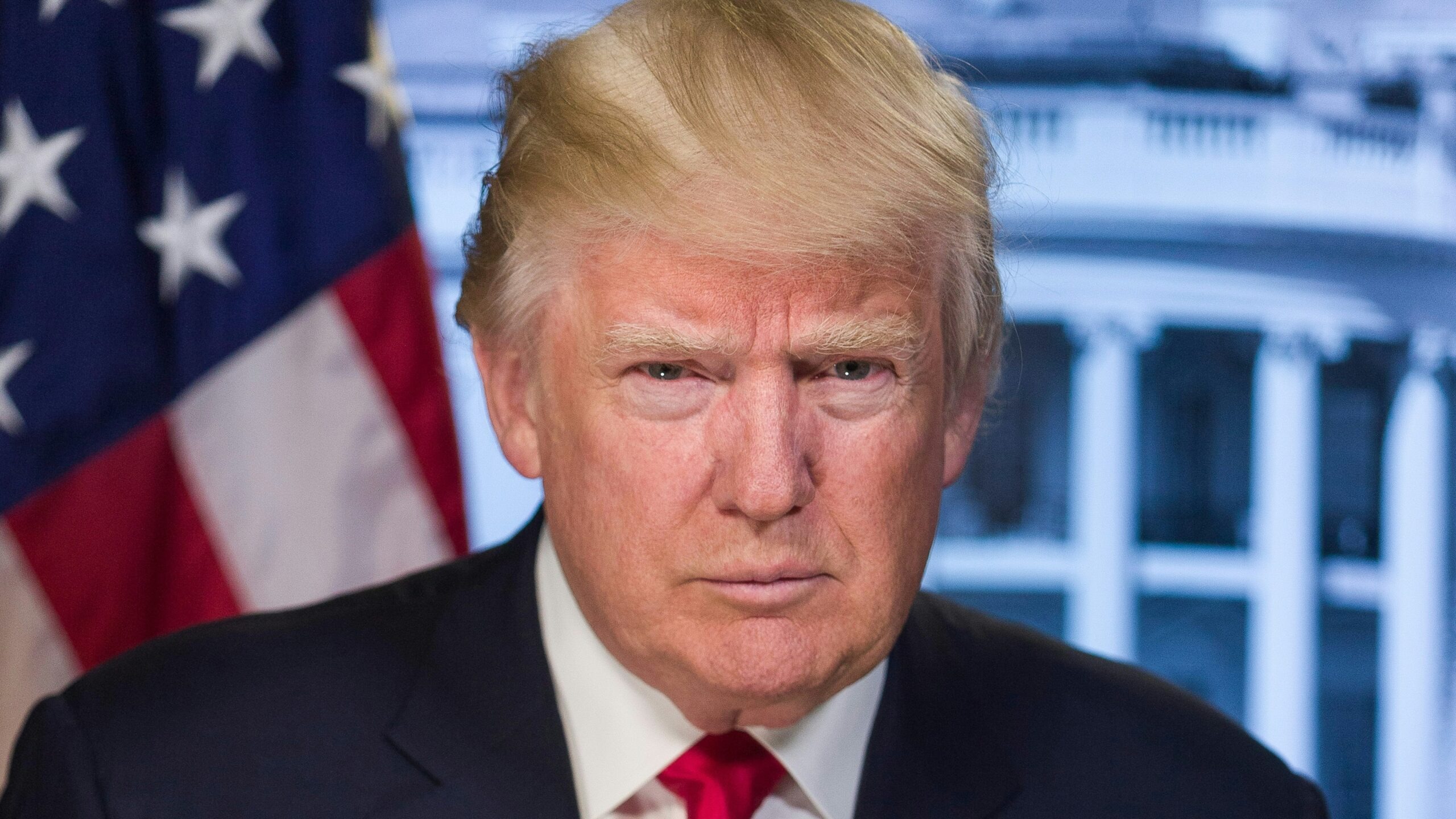
President Donald Trump left a two-day summit in Beijing in June 2026 claiming a major win: an agreement by Chinese President Xi Jinping to purchase 200 Boeing commercial jets. But on the three issues that will shape the U.S.-China rivalry for years, the summit produced nothing. No deal on Chinese rare earth exports. No new framework to stop fentanyl precursor chemicals from flowing to Mexican cartels. No clarity on whether the 10 percent baseline tariff on Chinese goods will survive past its expiration later this year.
Trump announced the Boeing figure during a taped interview with Fox News host Sean Hannity, calling it the first major Chinese order of American aircraft in nearly a decade and framing it as proof that his trade pressure was delivering results. Chinese state media, by contrast, barely mentioned the aircraft deal, focusing instead on broader themes of “mutual respect” and warnings against economic decoupling.
That gap between the two governments’ accounts of the same meeting tells its own story. When both sides leave a summit selling different narratives, it usually means neither got what it came for on the issues that matter most.
The Boeing claim: big number, no paperwork
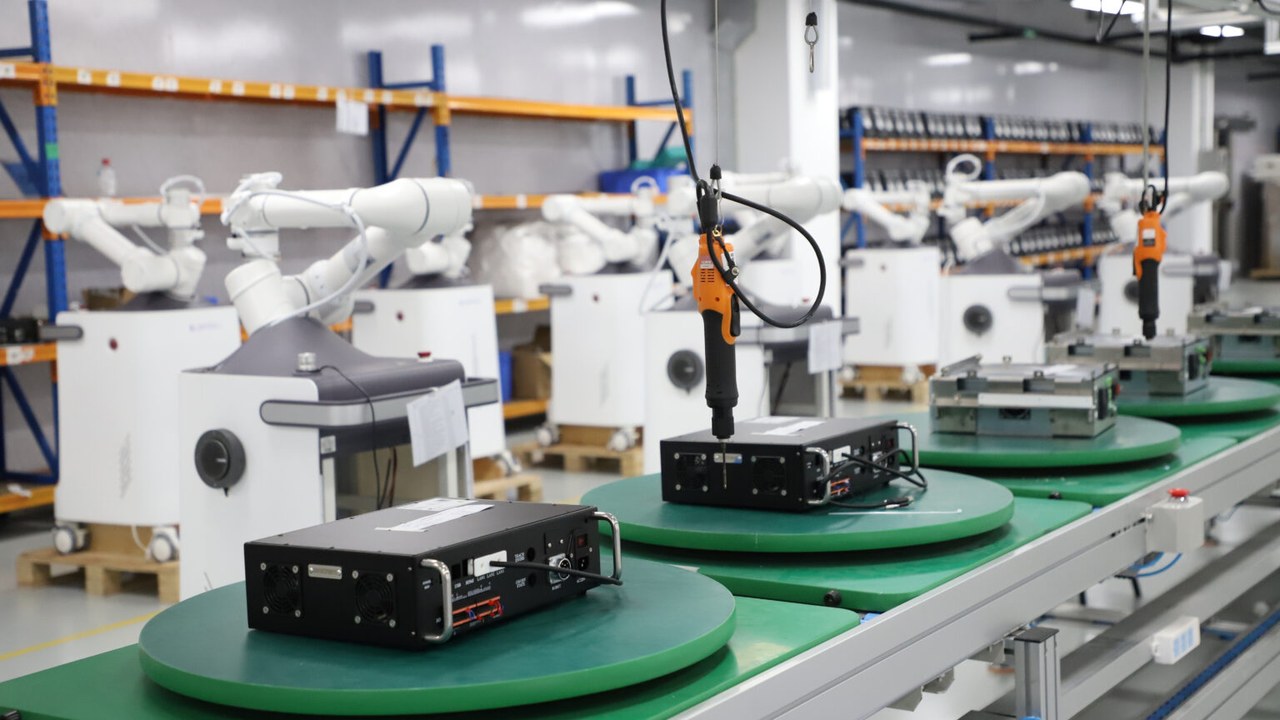
If confirmed, a 200-jet order would be commercially significant for Boeing. Chinese carriers have not placed a large-scale Boeing order since before the 737 MAX was grounded worldwide in 2019. The years of trade war, pandemic disruption, and Boeing’s own safety crises pushed airlines like Air China and China Southern deeper into Airbus’s order book. Boeing, still working through production bottlenecks and the regulatory aftermath of its quality failures, badly needs large international orders to stabilize its backlog.
According to Bloomberg coverage of the announcement in May 2026, the order would represent a major re-entry of Chinese demand into Boeing’s pipeline. But as of this writing in June 2026, the 200-jet figure rests entirely on Trump’s public statements. No signed letter of intent has been released. No Chinese airline or leasing company has been named as the buyer. Boeing has not issued a confirmation. Aircraft models, delivery timelines, and pricing all remain unknown.
That matters because U.S.-China summits have a long history of producing aircraft announcements that later evaporate. During Trump’s first term, a November 2017 visit to Beijing generated headlines about a $37 billion Boeing deal involving roughly 300 aircraft. Much of that order was structured as memoranda of understanding rather than firm purchase contracts, and large portions were never executed. Political commitments made in summit settings often dissolve once negotiations move to airline procurement offices and financing desks. Until at least one independent party confirms the terms of this deal, the 200-jet figure functions as a political claim, not a binding transaction.
Scott Kennedy, senior adviser for Chinese business and economics at the Center for Strategic and International Studies, told reporters after the summit that the pattern is familiar. “Summit aircraft deals between the U.S. and China almost always start as political gestures, not commercial commitments,” Kennedy said. “The question is always whether the numbers survive contact with airline balance sheets and export-control reviews.”
What the summit did not resolve
The three unaddressed issues carry consequences that extend well beyond the summit’s news cycle.
Rare earth minerals. China controls roughly 60 percent of global rare earth mining and an even larger share of the processing that turns raw ore into usable materials, giving Beijing enormous leverage over supply chains for U.S. defense systems, electric vehicles, and advanced semiconductors. Beginning in mid-2023, China imposed export controls on gallium and germanium, two critical minerals used in chipmaking and military applications. Additional restrictions on antimony, graphite, and other materials followed in late 2024 and into 2025, directly squeezing American defense contractors and technology manufacturers. The summit was widely expected to address whether those restrictions would be eased. No public statement from either side mentioned rare earths at all.
Fentanyl precursor chemicals. The flow of synthetic opioid precursors from Chinese chemical manufacturers to Mexican cartels remains a central driver of the American overdose crisis. CDC data showed more than 107,000 drug overdose deaths in the United States in 2023; preliminary figures for subsequent years have shown modest declines but the toll remains historically catastrophic. A November 2023 agreement between President Biden and Xi in San Francisco was supposed to restart cooperation on chemical scheduling and law enforcement coordination, but U.S. officials have repeatedly said Chinese follow-through has been inadequate. Trump entered the Beijing summit having made fentanyl a signature issue throughout his campaign and presidency. He left without announcing any new enforcement framework, joint task force, or scheduling commitment.
Derek Scissors, a senior fellow at the American Enterprise Institute who tracks U.S.-China economic relations, noted that the omission on fentanyl was particularly striking. “The president made this a centerpiece of his China policy, and the summit communique had nothing new on enforcement or precursor scheduling,” Scissors said. “That silence is the most important signal out of Beijing.”
The 10 percent tariff. The baseline 10 percent tariff on Chinese goods was established during the May 2025 Geneva trade talks as part of a 90-day de-escalation that dramatically reduced rates from as high as 145 percent. That framework, which has been extended at least once, is set to expire later in 2026. Businesses on both sides of the Pacific have been planning around the assumption that the rate would either be extended, renegotiated, or replaced with a more comprehensive trade structure. The summit offered no clarity. No extension was announced, no new tariff framework was outlined, and no timeline for further negotiations was made public. Importers, exporters, and supply-chain planners are left guessing.
Associated Press reporting from the summit noted that both leaders publicly claimed progress in stabilizing the relationship, but each side emphasized different outcomes. Additional AP coverage confirmed that core disputes persisted, with delegations from both countries offering competing characterizations of what had actually been discussed behind closed doors.
The gap between the headline and the agenda
Trump’s post-summit messaging focused almost entirely on the Boeing order, treating it as the signature achievement. Chinese officials took a different approach, emphasizing relationship stability and the risks of confrontation, without elevating the aircraft deal as a standalone win. When two governments leave the same table telling different stories, it usually means the hard bargaining either stalled or never started.
For American workers and communities tied to Boeing’s supply chain, the 200-jet announcement is worth watching closely. A confirmed order of that size would support factory employment in Washington state, South Carolina, and across a sprawling network of parts suppliers. But watching closely also means waiting for verification: a named buyer, a signed agreement, a delivery schedule, and approval from China’s Civil Aviation Administration.
For everyone else, the summit’s significance lies less in what was announced than in what was not. Rare earth access, fentanyl enforcement, and tariff certainty are the structural issues that will define the U.S.-China competition for the rest of this decade. None of them moved forward in Beijing, at least not publicly. That leaves the relationship in roughly the same place it was before the summit began: managed enough to avoid a crisis, but far from resolved on the questions that affect American industry, public health, and national security most directly.
The tariff clock is already running
The weeks following the summit will determine whether the Boeing deal materializes or joins the long list of summit promises that quietly disappeared. Investors and analysts will be watching for a formal announcement from Boeing, a named Chinese carrier, or a regulatory filing with China’s aviation authority. If none comes, the 200-jet figure will harden into another example of summit theater outpacing substance.
On tariffs, the expiration deadline is approaching with no public plan in place. Without an extension or replacement framework, the 10 percent rate will lapse, forcing both governments into a decision they appear to have deliberately deferred in Beijing. On rare earths and fentanyl, the absence of even a preliminary agreement suggests that neither side was willing to make concessions, or that the gap between their positions was too wide to bridge in two days of meetings.
The summit may have kept the relationship from deteriorating further. It did not answer the questions that brought both leaders to the table.