Fill up a mid-size sedan once a week for five months and skip the federal gas tax every time, and you would pocket roughly $35. That is the real-world value of President Trump’s proposal to suspend the 18.4-cent-per-gallon federal gasoline tax, based on consumption figures from the U.S. Energy Information Administration. It works out to about $7 a month, less than a single fast-food combo meal.
For the Highway Trust Fund, the ledger tilts the other way entirely. The fund stands to lose an estimated $3 billion or more during a five-month pause, widening a deficit that the American Trucking Associations warns already threatens the roads and bridges its members rely on to move more than 70 percent of the nation’s freight by weight.
Trump has repeatedly pitched the suspension as direct relief for drivers facing elevated pump prices in the spring of 2026. But the president cannot enact this on his own. Only Congress can halt a federal excise tax, and Capitol Hill has rejected nearly identical proposals before, including one backed by a president from the opposing party. As of June 2026, Republicans hold a narrow majority in the House while the Senate is closely divided, and neither chamber’s leadership has publicly signaled plans to bring a gas-tax suspension to the floor.
Why the savings are so small
The federal gas tax has not been raised since 1993. At 18.4 cents per gallon, it now represents a sliver of what drivers actually pay at the pump. EIA survey data suggest the average U.S. household uses in the neighborhood of 480 gallons of gasoline per year, a rounded approximation that can shift with driving habits and vehicle efficiency. Over a five-month window that works out to roughly 200 gallons. Multiply that by 18.4 cents and the savings land near $37, a figure that could shrink further if gas stations do not pass the full cut through to consumers.
That pass-through problem is not hypothetical. The Penn Wharton Budget Model examined the dynamics during the 2022 gas-tax-holiday debate and found that supply constraints and market pricing behavior can erode consumer savings well below the headline rate. Gas stations in tight markets may raise base prices to capture part of the tax reduction. Economists observed exactly that pattern in several states that enacted their own temporary fuel-tax suspensions that year.
The Highway Trust Fund’s existing hole
The Highway Trust Fund pulls in roughly $37 billion a year from fuel excise taxes, truck-related levies, and associated fees, a figure that fluctuates annually with fuel consumption and economic conditions. That estimate is drawn from a Congressional Research Service analysis of highway trust financing (report R47573). Even that revenue is not enough. The same CRS report notes that Congress has transferred more than $275 billion from the general fund since 2008 to keep the account solvent, a cumulative total that may have grown since the report’s last update, because fuel-tax receipts have consistently failed to keep pace with authorized spending.
The 2021 Infrastructure Investment and Jobs Act injected new federal dollars into surface transportation, but it did not fix the trust fund’s underlying revenue problem. The Congressional Budget Office has warned that the gap will keep widening as the national vehicle fleet grows more fuel-efficient and electric vehicles, which pay no gasoline or diesel tax, claim a larger share of miles driven. Suspending the tax for five months would accelerate that trajectory, stripping billions in dedicated revenue from a fund already running on congressional life support.
What the trucking industry is saying
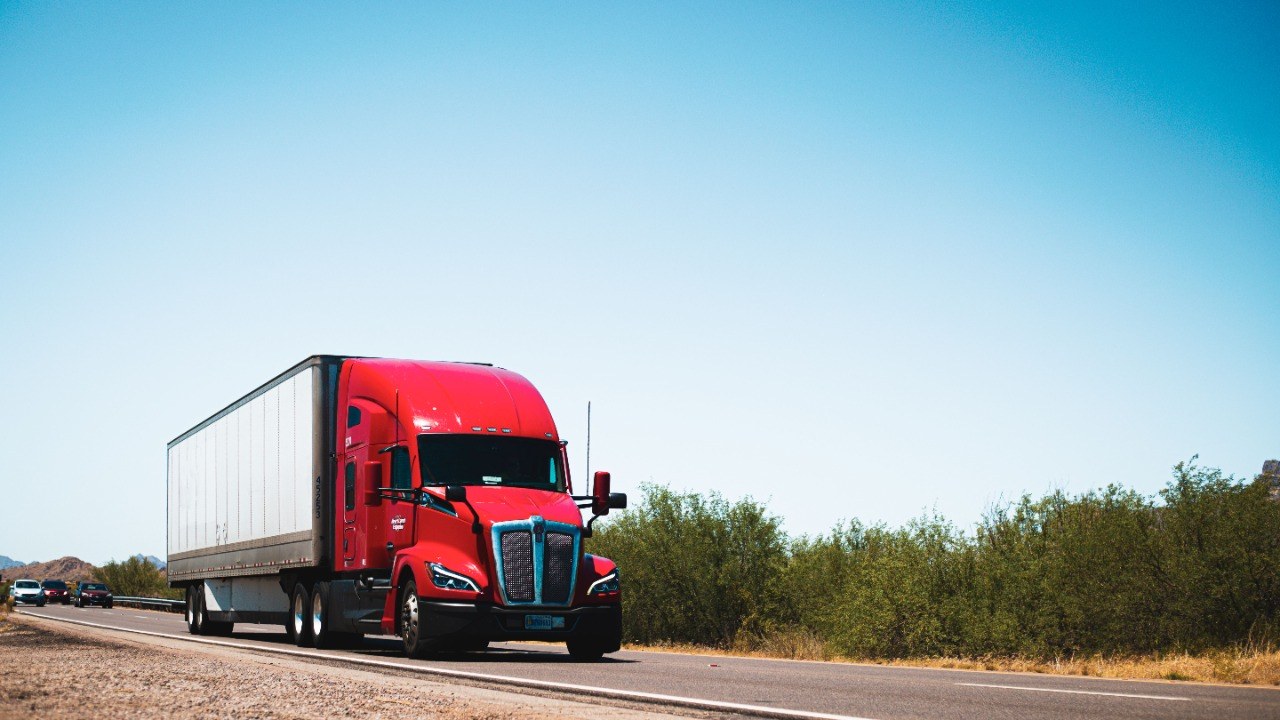
The American Trucking Associations has consistently opposed gas-tax holidays. ATA President Chris Spear has argued that the trust fund is the backbone of the freight network and that even a temporary suspension sends a destabilizing signal to state transportation departments planning multiyear projects. Diesel, taxed at 24.4 cents per gallon at the federal level, generates a disproportionate share of trust fund revenue because commercial trucks burn far more fuel per mile than passenger cars.
Construction and engineering firms share those concerns. The American Society of Civil Engineers gave U.S. roads a D grade in its 2021 Infrastructure Report Card, estimating that the country faces a backlog of hundreds of billions of dollars in deferred maintenance. Industry groups warn that funding uncertainty can stall projects already in the pipeline, driving up costs as contractors add risk premiums to their bids.
Congress has been here before
In June 2022, President Biden called for a three-month federal gas-tax holiday as pump prices topped $5 per gallon nationally. The proposal never received a floor vote, even though Democrats controlled both chambers at the time. Lawmakers in both parties questioned whether oil companies would pass the savings to consumers and worried about the precedent of raiding the trust fund during an election year.
Other legislators have tried to attack fuel costs from a different angle. Senators have introduced bills aimed at curbing alleged price gouging by oil companies rather than suspending the tax outright. That approach sidesteps the trust-fund problem but faces its own political headwinds in a closely divided Senate where 60 votes are typically needed for passage.
What remains unresolved
As of June 2026, no legislative text has been introduced to carry out Trump’s gas-tax suspension. Key details remain open: whether diesel would be included alongside gasoline, exactly how long the holiday would last, and how the administration proposes to backfill the lost Highway Trust Fund revenue. Without answers to those questions, analysts are working from campaign rhetoric rather than scoreable policy.
A federal suspension would also interact unpredictably with state fuel taxes, which range from under 10 cents per gallon in Alaska to more than 60 cents in California and Pennsylvania. Drivers in high-tax states might barely notice the federal cut, while those in low-tax states could see a more meaningful percentage drop at the pump. State officials have previously cautioned that a federal holiday can create unrealistic expectations, especially when global crude prices or refinery disruptions are pushing costs higher at the same time.
$35 in savings vs. billions in lost road funding
The gas-tax debate exposes a structural contradiction at the center of U.S. transportation policy. The country funds its roads and bridges primarily through taxes on the fuel those roads are designed to consume, yet it is simultaneously trying to reduce fossil-fuel use and shift drivers toward electric vehicles that contribute nothing to the trust fund. Suspending the tax might shave a few dollars off a family’s monthly fuel bill, but without a replacement revenue source, it would also hasten a fiscal reckoning that Congress has spent nearly two decades postponing with general-fund transfers.
For the trucking industry, the stakes are immediate. Every pothole, structurally deficient bridge, and delayed interchange project adds time and cost to freight movement. The $35 a household might save over five months, carriers argue, pales next to the long-term price of letting the nation’s road network fall further behind.