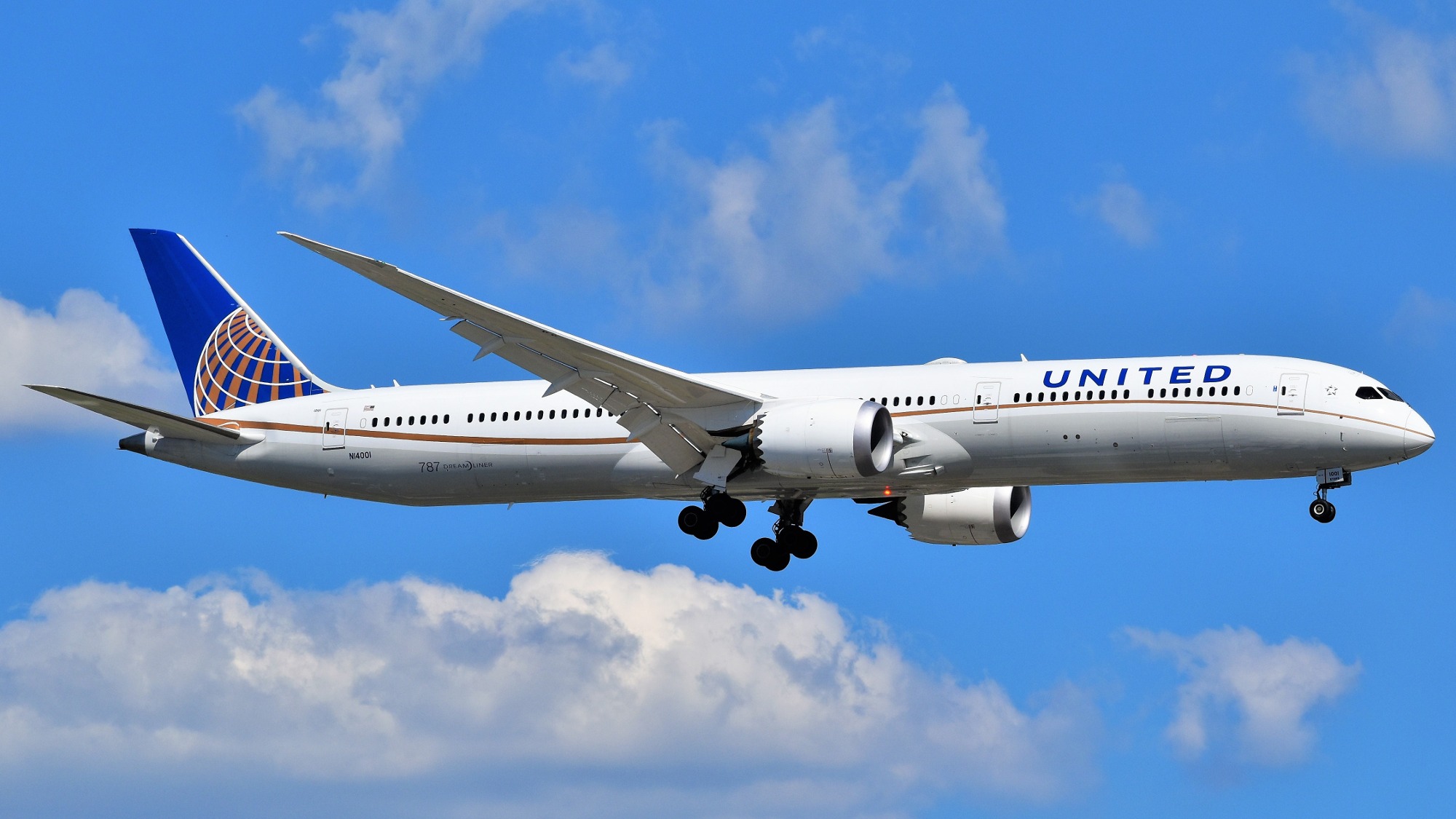
United Airlines warned in late April 2026 that ticket prices on some routes could jump as much as 20 percent this summer, a direct response to a sharp run-up in jet fuel costs driven by conflict-related disruptions in global oil markets. The carrier’s guidance, shared with analysts on April 22, marks one of the most aggressive fare signals from a major U.S. airline in years and sets the stage for a pricier summer travel season.
For a family that budgeted $400 for a domestic round trip, a 20 percent increase means paying $480. On a $1,000 transatlantic itinerary, the same math pushes the tab to $1,200. Those numbers land just as millions of Americans finalize plans for vacations, weddings, and reunions tied to the school calendar.
What United told investors
During its spring investor update, United said average fares “may need to increase” by up to 20 percent to offset what executives described as a rapid surge in the airline’s largest variable cost. The company did not announce a blanket hike across every route. Instead, it signaled a range of increases that will vary by market, travel date, and cabin class, according to details reported from the briefing.
United’s leadership tied the fuel spike to escalating tensions involving Iran and neighboring states, which have tightened crude oil supplies and pushed up the cost of refined aviation fuel. Jet fuel prices on the U.S. Gulf Coast, a key benchmark, climbed roughly 30 percent between early March and mid-April 2026, squeezing airline margins across the industry. Business news coverage connected United’s fare strategy directly to that geopolitical shock.
The airline’s messaging was calibrated for two audiences. Investor updates stressed the need to protect margins. Consumer-facing statements framed the increases as a necessary response to “rising jet fuel costs” that leave little room to absorb the hit internally, as People reported. Regional and national outlets noted that United is already “considering raising fares” across its network ahead of the summer rush, when planes are typically full and pricing power peaks, per KTSM.
Why it matters for travelers
The impact will not land evenly. Leisure travelers who book well in advance or who can shift to midweek departures and secondary airports may still find promotional fares, especially on routes where low-cost carriers like Spirit, Frontier, or Southwest compete aggressively. Business travelers and families locked into specific dates by school schedules or corporate meetings are more likely to absorb the full increase. That gap between flexible and captive demand is exactly where airlines extract the most revenue.
Fuel is a massive cost center for every airline. According to the Bureau of Transportation Statistics, fuel and oil expenses have historically accounted for between roughly 20 and 30 percent of total operating costs for U.S. passenger carriers, frequently trading places with labor as the single largest line item depending on market conditions. When prices spike quickly, airlines have a short list of options: hedge future fuel purchases, trim capacity by cutting flights, raise fares, or accept thinner profits. In past fuel shocks, some carriers chose to cancel marginal routes and reduce frequencies. Business Insider reported that several airlines have already begun pulling back on select schedules in response to the latest surge.
United’s move also matters because of its ripple effect. When a major network carrier publicly signals higher fares, competitors face pressure to follow. Delta Air Lines and American Airlines confront the same fuel costs on overlapping routes. If those carriers match United’s pricing, the higher fare environment could harden for the entire summer season. If one or more rivals choose to absorb part of the fuel hit to chase market share, United may have to temper increases on those specific routes.
The broader economic picture
Air travel is a component of the Consumer Price Index, and a coordinated rise in ticket prices across the industry could add upward pressure to inflation readings. Transportation costs feed into consumer confidence surveys and corporate travel budgets, creating a feedback loop that extends well beyond the airport. How much weight airfares carry in the overall index varies with spending patterns, but the category is closely watched by economists because it tends to move sharply in response to fuel shocks.
There is also an accessibility question. Over the past two decades, low-cost carriers and aggressive discounting have made flying more affordable for lower- and middle-income households. A sustained period of elevated fares risks narrowing those gains, particularly for travelers who depend on cheap economy seats to visit family or reach job opportunities in other cities. United has framed its increases as a response to fuel, not demand, but the effect on wallets is the same.
What travelers and investors should watch through May 2026
The single biggest variable is the trajectory of jet fuel prices. If geopolitical tensions de-escalate and crude retreats, United may not need to push fares to the top of the 20 percent range. In that scenario, the airline could quietly moderate increases or concentrate them on peak weekends and premium cabins. If fuel stays elevated or climbs further, expect broader and steeper hikes, along with possible capacity cuts on thinner routes.
Travelers should monitor fare trends on platforms like Google Flights, Expedia, and United’s own site. Revenue management teams adjust prices dynamically, so some routes could spike while others hold steady. Close-in bookings for peak summer weekends and holidays are likely to feel the squeeze first, since those seats carry both high fuel costs and high demand.
Regulators may also weigh in. While airlines have wide latitude to set fares in competitive markets, a pattern of steep, industry-wide increases tied to war-related headlines could draw scrutiny from consumer advocates and lawmakers who already question consolidation and fee practices in commercial aviation. For United, the coming weeks will test whether its brand and route network are strong enough to hold higher prices without losing the bookings that keep planes full.