President Donald Trump killed Iran’s latest peace proposal with a single social media post on Sunday night, calling Tehran’s terms “TOTALLY UNACCEPTABLE!” and shutting down weeks of quiet diplomacy in fewer than 30 characters. Hours later, Israeli Prime Minister Benjamin Netanyahu told reporters in Jerusalem that the war is “not over,” according to Channel 12 News and The Times of Israel. By the time Asian markets opened Monday morning, Brent crude had surged 3.6% to $104.89 a barrel.
The twin statements landed like a one-two punch on global energy markets. West Texas Intermediate, the U.S. benchmark, climbed 3.9% to $99.15, according to commodity exchange data. Both moves reflected the same calculation: the standoff choking the Strait of Hormuz is not ending soon, and the roughly 20 million barrels of oil that flow through the waterway each day, according to the U.S. Energy Information Administration, remain at risk.
What higher oil prices mean for your wallet
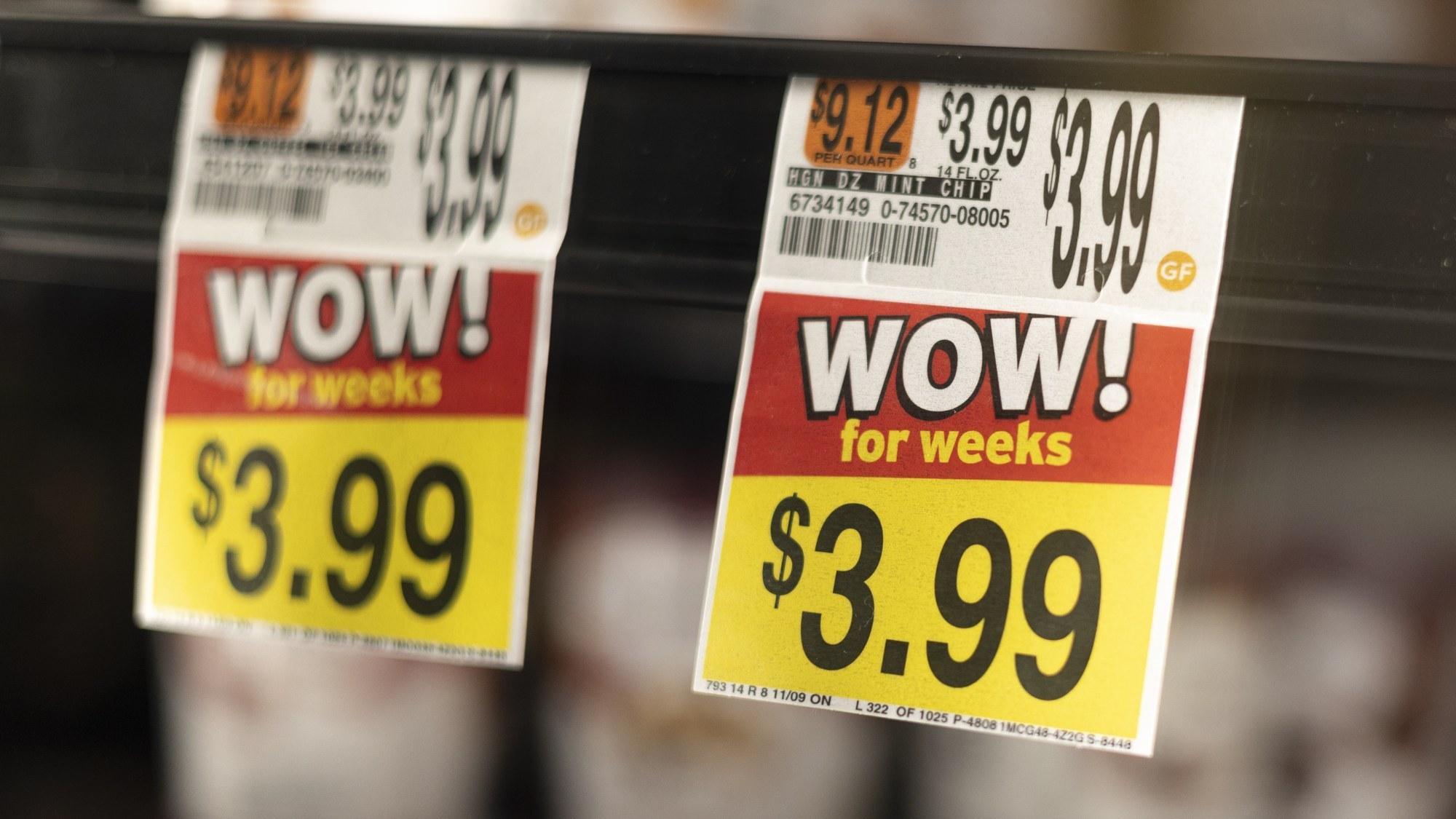
For American households, $104 oil translates into pain at the pump within weeks. Analysts at GasBuddy and AAA have warned that sustained crude prices above $100 a barrel typically push the national average gasoline price past $4.00 per gallon within two to three weeks. Diesel, which powers the freight trucks and farm equipment behind nearly every product on store shelves, tends to spike even faster, feeding directly into grocery and retail costs.
The ripple effects extend well beyond gas stations. The Federal Reserve has identified energy price volatility as a key risk to its inflation outlook. Goldman Sachs and JPMorgan have both revised their summer crude forecasts upward in recent analyst notes, citing the Hormuz disruption as the single largest supply-side threat in global energy markets right now.
What Iran proposed and why Trump walked away
Iran delivered its counterproposal through Pakistani intermediaries on Sunday, May 11, 2026. Iranian state broadcaster IRINN reported that Tehran’s terms included three non-negotiable demands: financial reparations for damage caused by U.S. strikes, full Iranian sovereignty over the Strait of Hormuz, and the immediate lifting of all American sanctions.
Trump’s rejection arrived within hours. Senior administration officials, speaking on background to reporters traveling with the president, said the Iranian demands were “designed to be rejected” and amounted to a propaganda exercise rather than a genuine opening for negotiations.
The full text of Iran’s counterproposal has not been released. What is publicly known comes from IRINN’s summary, which likely reflects Tehran’s preferred framing. Without the underlying document, it is unclear how much flexibility Iran built into its positions on sequencing, monitoring, or the duration of any cease-fire. Pakistan’s role as intermediary is itself notable: Islamabad shares a long border with Iran and has historically balanced ties between Tehran and Washington, making it one of the few governments with credible access to both sides.
Netanyahu’s message and what Israel signals
Netanyahu’s declaration that the war is “not over” came during a press availability in Jerusalem on Sunday evening, reported by both Channel 12 News and The Times of Israel. The remark appeared calibrated for multiple audiences. Israel has conducted its own strikes against Iranian-linked targets in recent weeks, and Netanyahu faces persistent pressure from right-wing coalition partners to maintain an aggressive posture.
No official transcript of the full remarks had been published by the Israeli Prime Minister’s Office as of Monday morning. Whether Netanyahu was referring specifically to the U.S.-Iran conflict, to Israel’s own operations, or to both remains a point of interpretation. But the timing, arriving the same day as Trump’s rejection, reinforced the impression of a coordinated stance against Tehran’s terms.
The military standoff in the strait
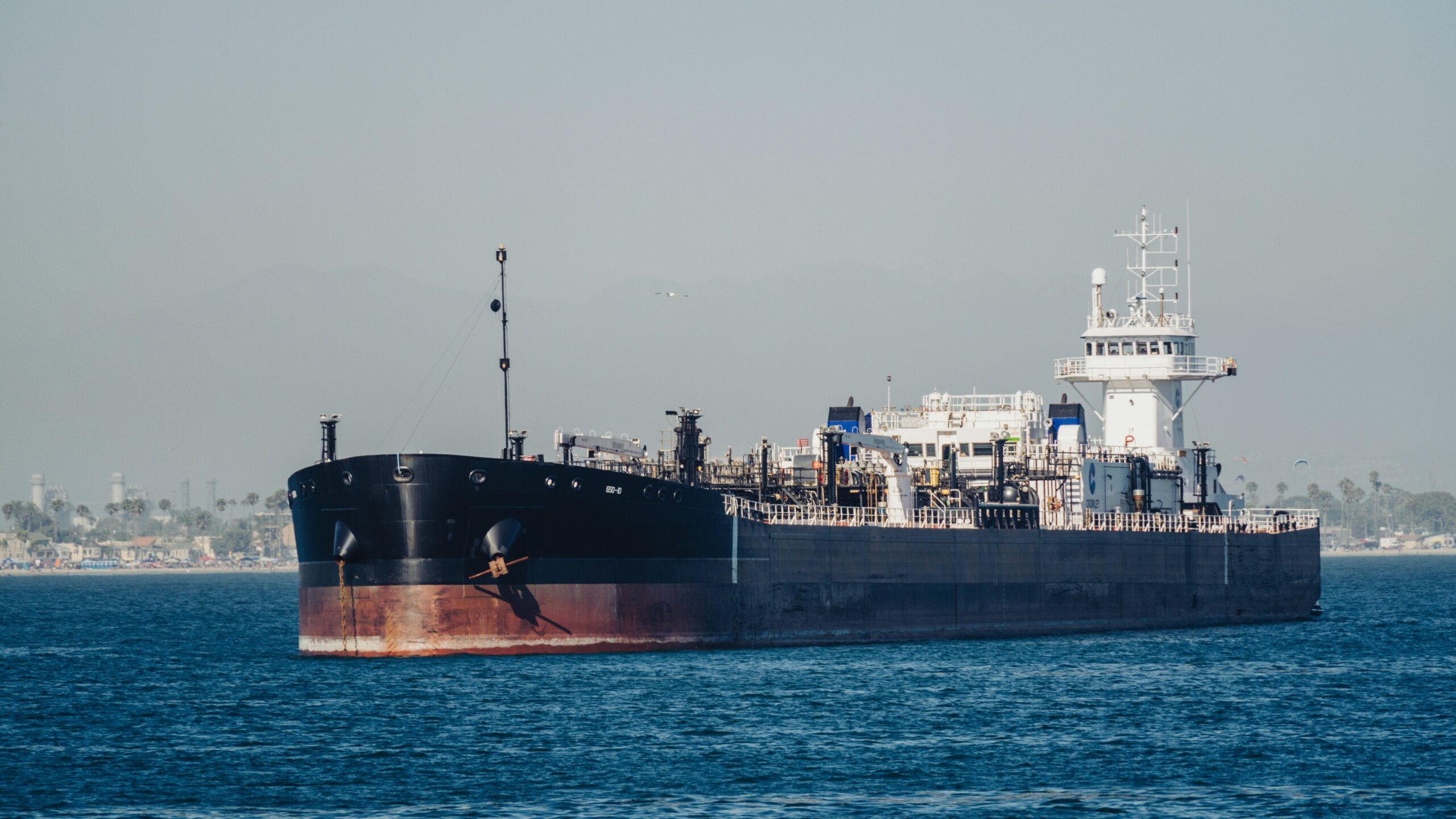
On the water, the situation remains tense and largely unchanged. U.S. naval forces continue to escort allied tankers through contested shipping lanes while warning commercial vessels to avoid unprotected transits. A carrier strike group anchors the American presence, supported by destroyers, submarines, and maritime patrol aircraft operating around the clock.
Iran has maintained its own posture: periodic missile and drone launches aimed at U.S.-aligned bases in the Gulf, fast-boat patrols along its coastline, and what Western intelligence officials describe as an active naval mining campaign in shallow waters near the strait’s narrowest point. The skirmishes have been limited in scale so far, but the sheer density of military hardware in a waterway barely 21 miles wide at its tightest keeps the risk of miscalculation dangerously high.
Insurance costs tell their own story. War-risk premiums for tankers transiting the Gulf have climbed to levels that industry brokers compare to the 1980s tanker wars, according to Lloyd’s of London market reports. The added cost, sometimes millions of dollars per voyage, has driven smaller shipping companies out of the region entirely.
OPEC’s silence speaks volumes
OPEC members have so far declined to ramp up production to offset the supply disruption. Saudi Arabia and the United Arab Emirates hold significant spare capacity but have not moved to open the taps. Energy analysts at Rystad Energy and S&P Global Commodity Insights have noted that Riyadh and Abu Dhabi face little pressure to flood the market when oil revenues are already elevated and Washington’s diplomatic approach has yet to produce results.
The silence from OPEC is particularly consequential for Asian economies. China, India, Japan, and South Korea are the world’s largest importers of Gulf crude, and prolonged disruption through Hormuz threatens to push energy costs sharply higher across the Asia-Pacific, a factor that could drag on global growth well beyond the Middle East.
Diplomatic channels are narrowing but not dead
Despite the public collapse of this round of talks, some channels remain open. The United States and several Gulf allies have circulated a draft U.N. Security Council resolution that would impose new sanctions on Iran unless it restores freedom of navigation through the strait. The draft ties sanctions relief to specific benchmarks: unimpeded commercial shipping, an end to what the text calls illegal tolls on vessels, and the verified removal of naval mines.
Whether the resolution can pass is far from certain. Russia and China, both permanent Security Council members with veto power, have historically shielded Iran from the harshest Western sanctions. Diplomats involved in the drafting process told reporters the resolution is as much a signaling tool as a legal instrument, intended to demonstrate broad international support for reopening the strait even if it never reaches a formal vote.
The Pakistani mediation channel also remains formally open, though Islamabad has not issued a public statement detailing the scope of its role. It is unclear whether Pakistan is acting as a neutral courier or as an active broker with influence over the terms being exchanged.
Pressure points looming for the strait and the campaign trail
The clearest signals right now are not coming from negotiating rooms. They are coming from a presidential social media post and from the price of a barrel of oil. Trump’s rejection and Netanyahu’s reinforcement have narrowed the visible path to a cease-fire, and markets have priced that reality in overnight.
Several concrete pressure points loom in the weeks ahead. OPEC’s next scheduled ministerial meeting could force a public decision on production levels. The U.N. Security Council draft resolution faces a procedural vote that will test whether Russia and China are willing to block it outright or simply abstain. And in Washington, the approaching midterm election cycle adds a domestic clock: rising gas prices have historically punished the party in power, giving the White House a political incentive to find an off-ramp even as it publicly digs in.
For now, the world’s most important energy chokepoint remains effectively closed. Every day it stays that way, the cost climbs higher.