Tens of millions of Americans who paid penalties on late tax filings during the COVID-19 pandemic could be owed refunds from the IRS, following a federal court ruling that reinterprets how disaster-related deadline relief applies to coronavirus-era fines. The case, Kwong v. USA, filed in the U.S. Court of Federal Claims, has forced the IRS to reconsider how Section 7508A of the Internal Revenue Code interacts with pandemic emergency declarations. The practical result: a wave of taxpayers who were penalized between 2020 and 2022 now have a legal basis to demand their money back.
How the Kwong ruling changes pandemic penalty relief
The dispute centers on a technical but high-stakes question: whether the IRS was required to automatically postpone tax deadlines under the mandatory provisions of Section 301.7508A-1, rather than treating pandemic relief as discretionary. Congress amended Section 7508A in both 2019 and 2021, and Treasury finalized implementing regulations in 2021, according to Internal Revenue Bulletin 2026-23. Those changes added subsection (d), which created a mandatory postponement framework tied to federally declared disasters, separate from the discretionary authority the IRS had traditionally exercised under subsection (a).
The Kwong case, docketed as Case 1:23-cv-00267, tested whether COVID emergency declarations triggered that mandatory relief. The court’s reading suggests they did, which means penalties assessed against taxpayers who missed deadlines during the pandemic period were imposed in error. If the IRS accepts or fails to overturn this interpretation, the agency would owe refunds to a population that could number in the tens of millions, based on reporting that described the scope of eligible penalty refunds.
Under the mandatory framework, once a federal disaster is declared, the IRS must postpone certain filing and payment deadlines for affected taxpayers. During the pandemic, the federal government issued overlapping emergency declarations that ran for years, not weeks. The Kwong ruling effectively treats those declarations as having extended the normal tax calendar, so that filings that appeared late on paper were, in legal terms, still timely. Any penalties tied to those “late” filings may therefore lack statutory support.
That interpretation could reach a wide range of situations: individuals who filed 2019 or 2020 returns a few months after the usual April deadline, small businesses that struggled to meet quarterly estimated tax payments, and self-employed workers who fell behind while their income collapsed. In each case, the key question is whether the due date for a particular return or payment was automatically postponed under Section 7508A(d) and whether a penalty was nonetheless assessed.
What taxpayers need to do and when
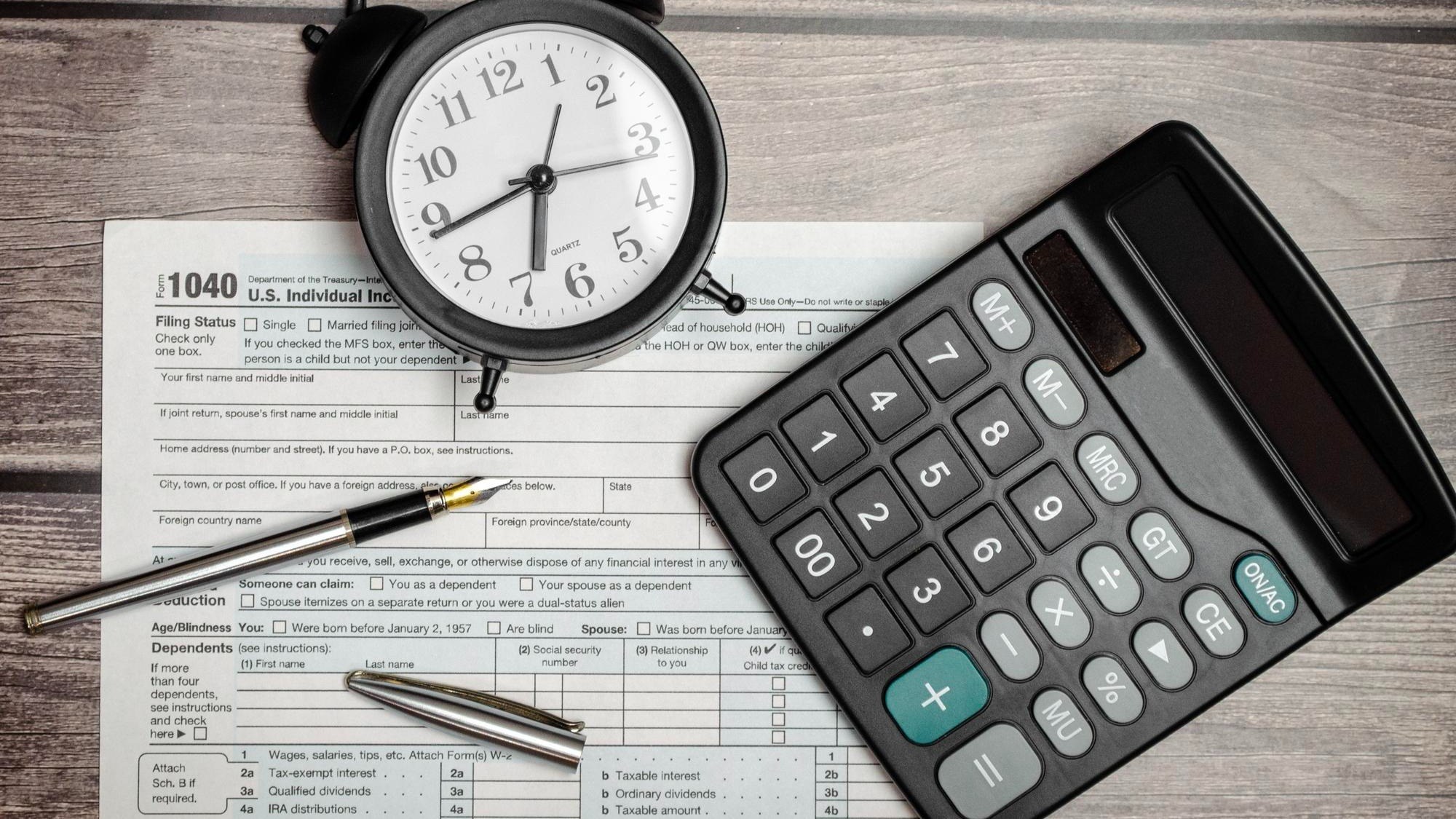
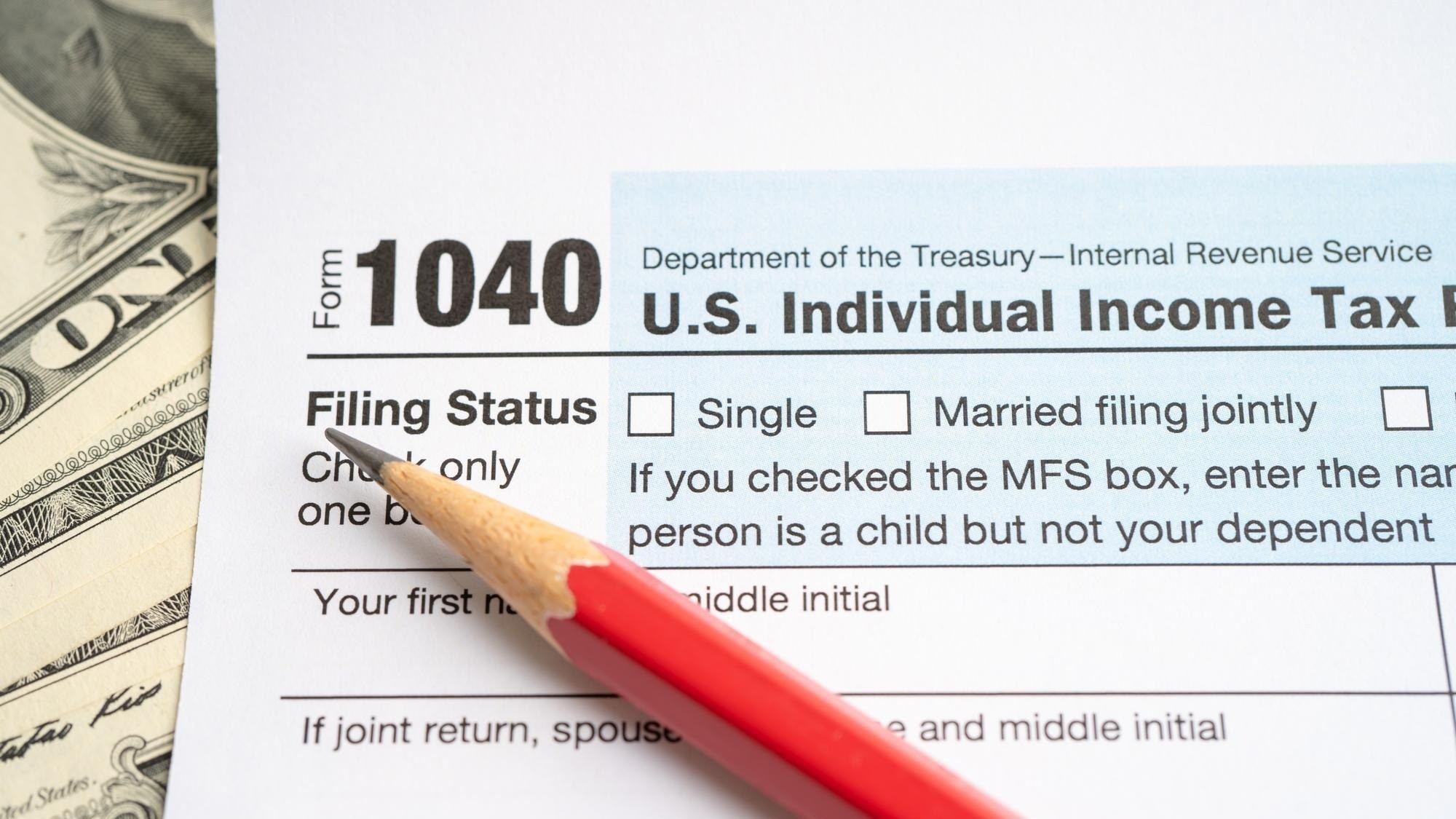
Taxpayers who believe they were wrongly penalized have a specific path to pursue relief. The IRS designates Form 843 as the official vehicle for filing a claim for refund and request for abatement of penalties or interest. That form requires taxpayers to identify the specific penalty, the tax period involved, and the legal basis for the abatement request. In this context, filers would typically cite Section 7508A(d), along with the COVID disaster declarations that they believe postponed their deadlines.
Timing is critical. Refund claims generally must be filed within strict statutory windows, which can depend on when the tax was paid and when the penalty was assessed. For penalties tied to 2019, 2020, or 2021 returns, some of those windows may be approaching their end. Taxpayers who paid late-filing or late-payment penalties on returns from those years should promptly review their IRS account transcripts to determine the exact dates on which penalties were posted and payments were made.
Account information can be accessed online through the IRS’s secure individual portal, which allows taxpayers to view balances, payment history, and certain notices. Those records can help confirm whether a penalty was actually assessed, whether it has already been partially abated, and what amounts are potentially refundable. Tax professionals may also request transcripts directly with client authorization.
When completing a refund claim, taxpayers should attach supporting documentation, such as IRS notices showing assessment dates, copies of relevant returns, and any correspondence referencing pandemic-related filing relief. In the explanation section of the claim, it may be helpful to clearly state that the penalty arose during a period covered by federal COVID disaster declarations and that, under Section 7508A(d) as interpreted in Kwong, the deadline should have been postponed.
Taxpayers who previously requested penalty abatement and were denied are not necessarily barred from trying again. A fresh claim that relies on a new legal theory or a change in the IRS’s interpretation of the law can sometimes be considered separately, though the same statutory time limits still apply. Individuals who already received partial relief under first-time abatement or reasonable-cause standards may be able to seek additional refunds if remaining penalties fall within the Kwong framework.
For now, the IRS has not publicly detailed exactly how it will implement the ruling or whether it will proactively identify and refund affected penalties. Until that guidance is issued, taxpayers who suspect they were wrongly charged may wish to file protective claims to preserve their rights before deadlines expire. Given the complexity of the rules and the potentially large sums at stake, many filers will benefit from consulting a qualified tax professional who can evaluate eligibility, prepare the necessary forms, and monitor the evolving response to the court’s decision.