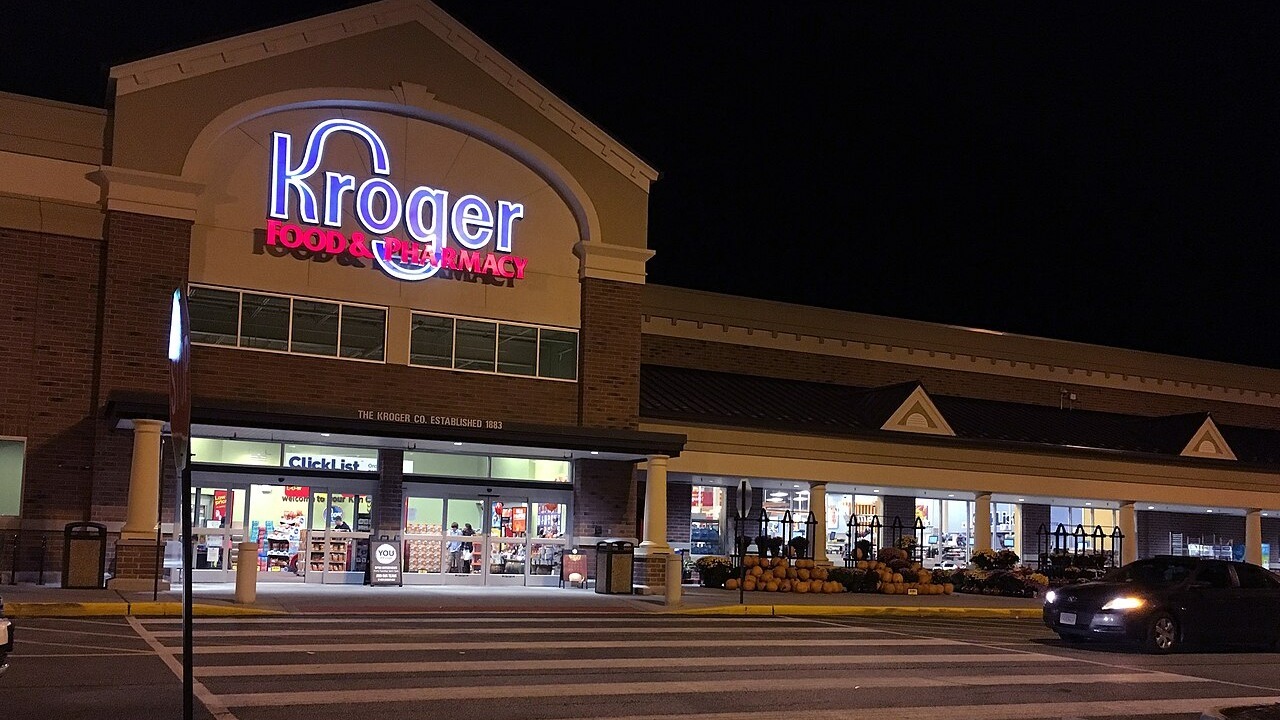
Kroger, the country’s largest traditional supermarket operator, is in the middle of shutting roughly 60 of its stores, and for many older shoppers the loss is about more than groceries. A closing supermarket often takes a pharmacy counter with it, forcing retirees to move prescriptions and drive farther for both food and medicine. The company has framed the closures as a routine cleanup of underperforming locations, but in thinned-out neighborhoods and small towns the effect on people who no longer drive easily can be outsized.
How Many Kroger Stores Are Closing and Where
Kroger announced the plan to close about 60 underperforming supermarkets over a stretch of roughly 18 months, and retail-industry reporting indicates a large share of those locations have already gone dark, with the rest scheduled to follow. The company has said the move is expected to modestly improve profitability and that affected workers would be offered positions at other stores.
The closures reach beyond the Kroger nameplate. The company owns a family of regional grocery banners — including Fred Meyer, Fry’s, Harris Teeter, King Soopers, Mariano’s, Pick ‘n Save and QFC — so a “Kroger” closure in one region may carry a completely different sign over the door. That makes it easy for a shopper to miss that their neighborhood store is part of the same retrenchment until a closing notice appears in the window.
Free retirement updates: When a store closes, prescription transfers and refill deadlines can slip through the cracks. The Retirement Shield newsletter helps retirees stay ahead of the deadlines that matter. Sign up free by email.
Why a Closed Pharmacy Hits Seniors Hardest
For a retiree managing several daily medications, the pharmacy inside a grocery store is often the most-visited health touchpoint of the month. When that counter closes, the prescriptions do not automatically follow the shopper to a new store; someone has to arrange the transfer, confirm that refills and prior authorizations carried over, and make sure automatic-refill programs did not lapse in the handoff. A missed step can mean a gap in a blood-pressure or heart medication rather than just an inconvenience.
The distances add up, too. In rural counties and older suburban pockets where a single supermarket served a wide area, losing it can turn a short errand into a long trip, or push a non-driving retiree onto limited transit or a family member’s schedule. The federal government maintains resources on managing prescription drug costs and coverage, which becomes more relevant when a familiar pharmacy disappears and a new one has to be chosen carefully for network and pricing reasons.
What the Kroger Closures Signal About 2026 Retail
Kroger’s roughly 60 stores are part of a broader wave of retail retrenchment. Analysts tracking store closures have projected thousands of shutdowns across the sector this year as chains prune weaker locations, and grocery and pharmacy footprints are squarely in the mix. That backdrop matters because when several retailers pull out of the same area at once, the cumulative loss of food and pharmacy access can leave a genuine gap rather than a temporary gap that a competitor quickly fills.
None of that makes Kroger’s decision unusual by itself. Large chains routinely close their weakest stores, and the company has emphasized that most of its footprint is unaffected and that displaced associates are being offered other roles. The concern for older customers is concentrated, not universal: it falls on the specific neighborhoods where a closing store was the practical option rather than one of several.
Steps Older Shoppers Can Take Before a Store Goes Dark
The window between a closure announcement and the final day is the time that counts. A shopper whose store is closing can confirm which nearby location will inherit their prescription file, verify that the new pharmacy is in network for their Medicare drug plan, and check whether loyalty balances, fuel points or pharmacy savings programs transfer across banners. Doing that before the last day avoids the scramble of an urgent refill at a pharmacy that has no record of the patient.
It is also worth confirming how a closure affects any recurring services tied to the store, from immunizations to medication synchronization programs that line up refills on a single date. Those conveniences are easy to lose track of in a move, and re-establishing them at a new pharmacy takes a short conversation that is far easier to have in advance than during a lapse.
Kroger’s retrenchment is modest against the size of its overall business, but the people most exposed to it — retirees who leaned on one store for both food and medicine — are also the ones with the least slack to absorb the change. For them, the closures are less a corporate footnote than a prompt to lock down where the next prescription will be filled before the current counter closes for good.
This article was researched and drafted with the assistance of AI and reviewed by The Financial Wire editorial team.
More Financial Reading
- How many CDs can you park at 1 bank? FDIC rules you must know
- The ideal retirement withdrawal rate so your savings actually last