Massachusetts Question 7, which would let single-family homes be built by right on smaller lots, was trailing as votes were still being counted Wednesday. The Associated Press showed the “no” side ahead with 50.6% at 4:30 p.m. with 94.4% of ballots tallied, and it had not called the race, Boston.com reported. The measure had led for part of election night, and the gap closed and flipped as the count went on.
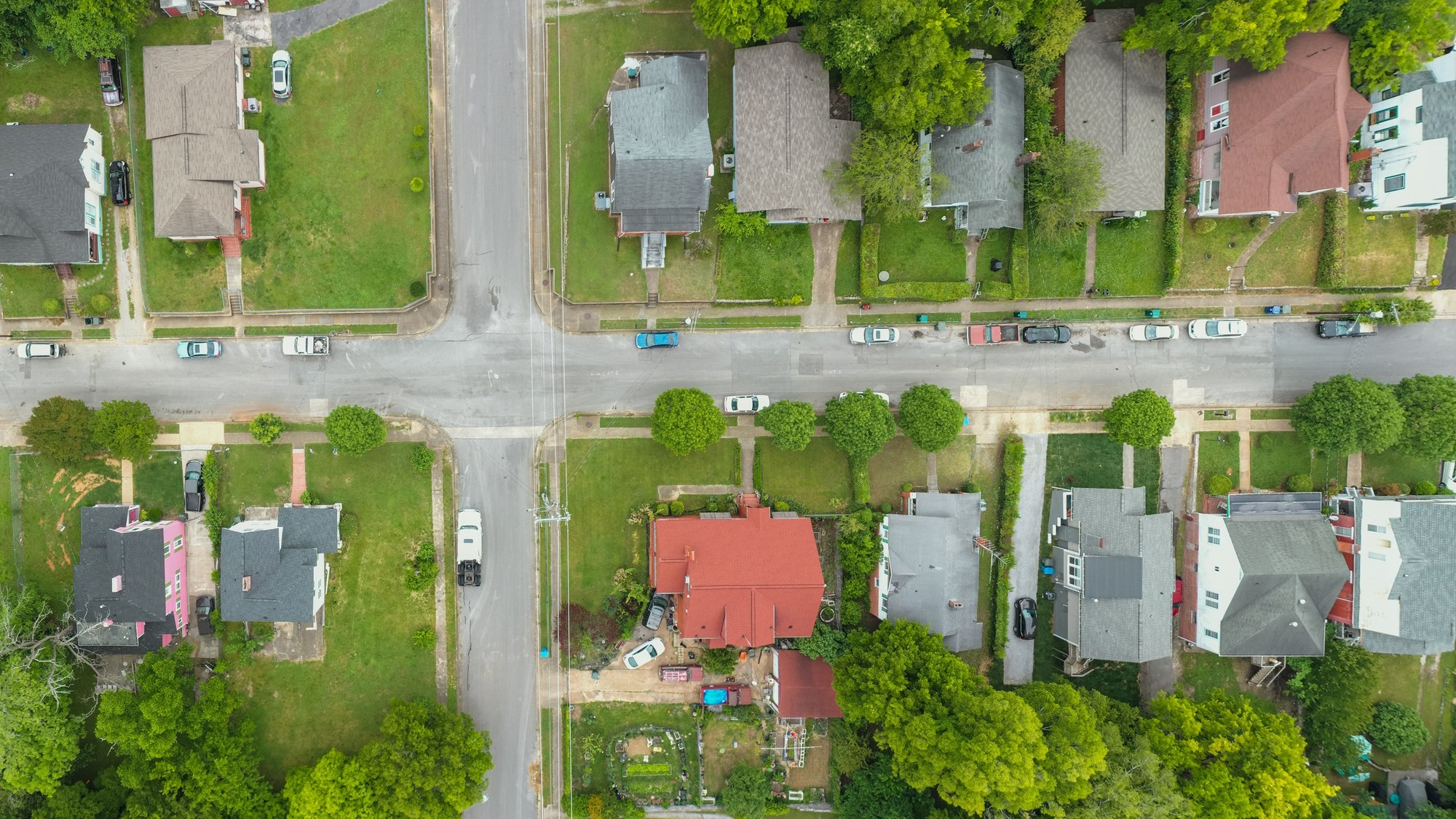
Question 7 would set a statewide minimum for the first time. Under the ballot measure, cities and towns would have to allow a single-family home on any residentially zoned lot of at least 5,000 square feet that has at least 50 feet of frontage and public water and sewer, without a special permit. Boston, which has its own zoning rules, is excluded, WBUR reported before the vote.
For a homeowner in a town with larger minimum lot sizes, the question is what a neighbor could build and whether a lot could be split. The answer depends on a count that was still moving. The result decides whether a 5,000-square-foot lot becomes a legal building site across the state outside Boston, and it was undecided at the time of the last report on Wednesday afternoon.
Retirement deadlines, in your inbox: Miss an enrollment or claim deadline and the money can be gone. Join the Retirement Money Brief and we’ll send you our Property Tax & Utility Relief Finder as a welcome gift.
Get the Brief + the relief finder →
We may earn a commission from links on this page.
How did the count swing?
Banker & Tradesman reported that as of 12:30 a.m. Wednesday supporters held a narrow lead, 50.8% to 49.2%, with a bit less than half the vote counted, per AP and Boston Globe tallies. Milton and Needham, two suburbs that fought over the MBTA Communities Act, voted yes, while Wellesley, Winchester and Lexington rejected it strongly.
By 9:20 a.m., with nearly 82% of ballots counted, the “no” side led with 50.2%, according to Boston.com’s live results page. By 4:30 p.m. the “no” share was 50.6% with about 5.6% of ballots uncounted. The widening gap means the “yes” side needed the remaining votes to break sharply its way.
What would a recount take?
State law allows a recount petition only when the margin is no more than 0.5% of the votes cast, and any registered Massachusetts voter can file, Boston.com reported. With “no” ahead by about 1.2 points on Wednesday afternoon, the report said, the widening lead could make a recount harder to pursue. That margin is more than double the recount threshold.
Andrew Mikula, the chair of the Yes on 7: Legalize Starter Homes campaign, said the campaign would wait for the count to finish. Jesse Kanson-Benanav, the executive director of Abundant Housing Massachusetts, said his group would wait for an official call before commenting.
How many homes were at stake?
Both sides of the argument produced numbers. The campaign estimated that the measure would add 2,200 to 5,700 net new homes a year, WBUR reported, while the Tufts Center for State Policy Analysis put the figure at 350 to 1,200 a year. The gap between the two estimates is one reason the debate stayed heated, and neither estimate involves a dollar price for any home.
Mikula said when the measure was on the ballot: “We’re making it possible to have homes that are much smaller and more affordable than what’s typically on the market.” Adam Chapdelaine, the executive director of the Massachusetts Municipal Association, replied: “We feel strongly about protecting local control.” He argued the wording could lead to “a lot of market rate or even luxury units” rather than starter homes.
Who is exempt, and who paid for the campaign?
The measure covers only single-family homes, not duplexes or apartment complexes. WGBH reported that rural communities relying on wells and septic systems, along with Boston and other municipalities that already have a smaller minimum lot size, are not covered. A town whose minimum lot size is already smaller is not covered.
Money followed the same split. Legalize Starter Homes put up $1.4 million in support, WGBH reported, the Massachusetts Association of Realtors gave $500,000 and the Greater Boston Real Estate Board $350,000. A Suffolk University and Boston Globe poll in October had 41% for and 41% against, a tie the count has so far reproduced almost exactly.
What happens if it passes anyway?
If Question 7 prevails, WBUR reported, it would take effect about a month after the election, and the state’s Executive Office of Housing and Livable Communities would write regulations and guidance. Banker & Tradesman added that the Legislature could still change the measure’s language before it takes effect, and that the regulations would define “access” to municipal water and sewer service and set the limits towns may keep.
Cities and towns could still regulate height, parking, setbacks and short-term rentals under the measure’s text, WBUR said. If “no” holds, zoning stays where it is: each town sets its own minimum lot size. The MultiState results page listed the question as pending at 49.41% yes.
Thinking about downsizing in Massachusetts?
The count left Question 7 undecided with “no” ahead by about 1.2 points on Wednesday, and a Massachusetts homeowner cannot plan a split lot or a smaller house around that. What the house costs to hold, and what it could be worth, are separate matters that do not wait for the count. The housing debate moves the number on the lot; it does not change the bills on the house.
Cut Your House Costs sets out ten moves for spending less on the house and protecting its value, including home equity options compared, from a HELOC to a reverse mortgage. The home-cost audit worksheet in the guide goes through the house line by line, which gives a homeowner a baseline before any zoning vote changes what a lot could be used for.
Get the home-equity comparison and the home-cost audit worksheet →
This article was produced with AI assistance and edited for accuracy against the sources linked above.