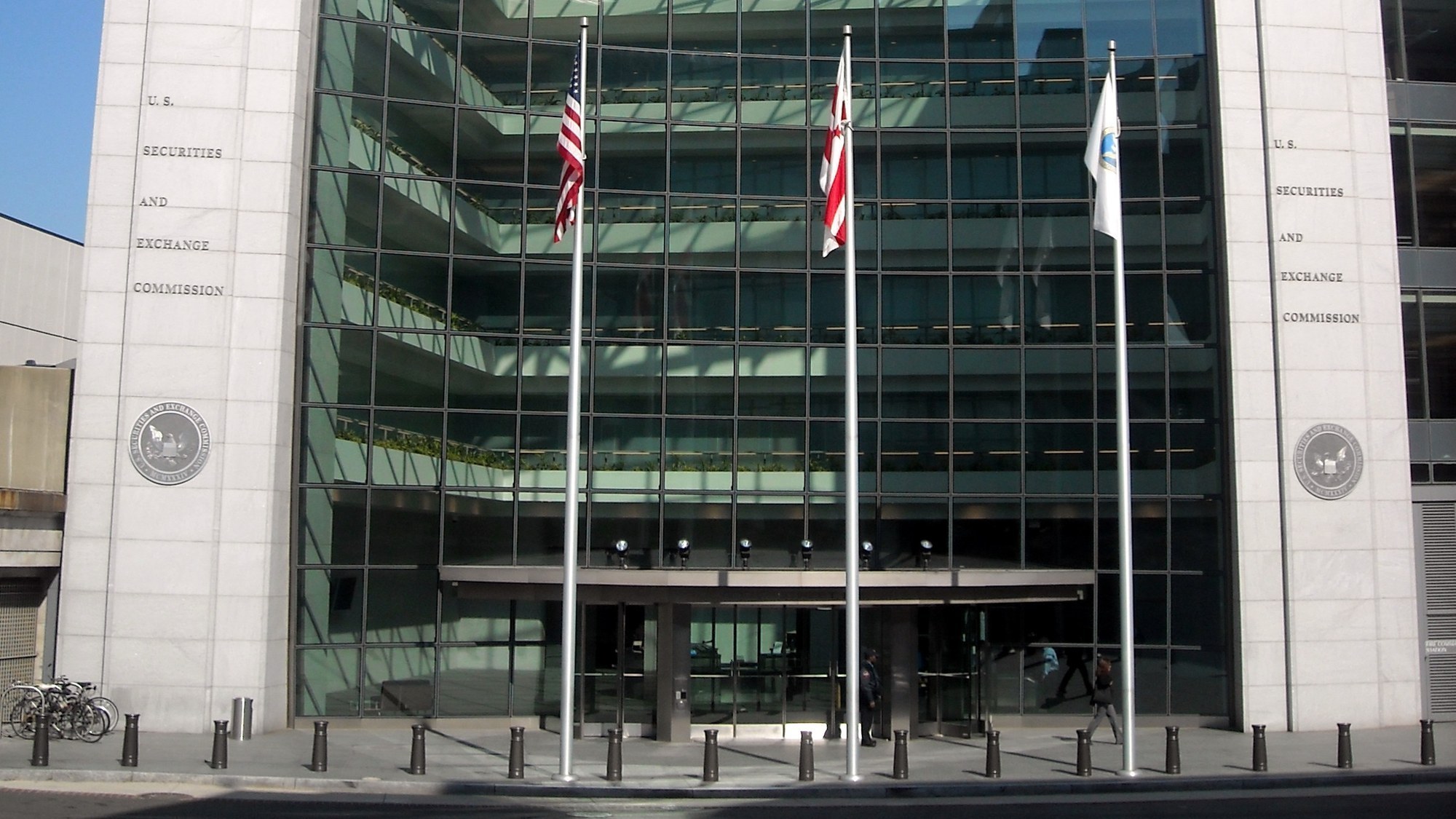
A crypto operation that dressed itself up as a legitimate trading platform now owes more than $5.5 million after a federal court found it lured investors with fabricated profits and moved their money offshore. The case, brought by the Securities and Exchange Commission against a ring operating under the name NanoBit, is the agency’s first enforcement action targeting the fast-growing con known as “pig butchering.” For retirees, who are among the most heavily targeted victims of these schemes, the judgment is a useful map of exactly how the trap is built.
Inside the NanoBit pig-butchering operation
According to the SEC’s litigation release, a federal judge in the Eastern District of New York entered a default judgment ordering NanoBit Limited and related defendants to pay a combined $5,518,902 in disgorgement, prejudgment interest and civil penalties. The court also issued permanent injunctions barring the defendants from further violations of federal anti-fraud rules and from participating in future securities offerings. None of the defendants appeared to contest the SEC’s allegations, which produced the default judgment.
The agency alleged that from roughly September 2023 through June 2024, the operators posed as financial-industry professionals inside WhatsApp groups, spent time building trust with the people they contacted, and then steered them toward depositing money into the NanoBit platform. It was the SEC’s first suit aimed specifically at this style of relationship-driven crypto fraud.
The scheme also leaned on a false badge of legitimacy. Regulators said an affiliated entity claimed to be registered with the SEC and connected to reputable financial firms, a fabrication designed to reassure anyone who bothered to look before wiring funds. That detail is a reminder that a claim of registration is only as good as an independent check against the regulator’s own records.
Free retirement updates: Scam calls targeting retirees change every week. Our free Retirement Shield newsletter flags the ones going around and the one tell that stops each. Sign up free.
How the fake profits worked
The mechanics are what make pig butchering so effective. Once a target deposited funds, the platform’s dashboard displayed what looked like winning trades and steadily growing balances. As TechTimes reported on the case, those figures were fiction: regulators alleged the platform never actually executed any crypto transactions. The numbers on the screen existed only to keep investors calm and encourage them to send more.
That illusion is the “fattening” stage the scam is named for. Victims see their supposed gains climb, feel reassured, and often deposit additional savings, sometimes at the urging of the same friendly contact who first reached out. The reckoning comes when a withdrawal is requested and the money cannot be retrieved.
What the $5.5 million order recovers, and what it doesn’t
The court found that at least 18 investors lost close to $1 million in crypto and traditional currency, with the operators wiring more than $2 million to bank accounts in Hong Kong. A $5.5 million judgment sounds larger than the victims’ losses, but disgorgement and civil penalties are legal remedies against the wrongdoers, not a guarantee that defrauded savers will be repaid. When funds have already been moved overseas and the defendants never appear in court, actually collecting on a judgment is difficult.
The permanent injunctions carry their own value. They give regulators a stronger hand if the same actors resurface under a new name, which pig-butchering rings frequently do. The ruling also establishes a legal template the SEC can reuse as it pursues the next platform built on the same playbook.
How the scam finds retirees
Pig-butchering schemes rarely begin with an obvious sales pitch. They start with a wrong-number text, a friendly message on social media, or a chat that drifts into talk of a “can’t-miss” crypto opportunity run by a supposed expert. The SEC’s investor education resources catalog these types of fraud and stress a few defenses that apply squarely here: be skeptical of unsolicited investment offers, never trust a platform simply because its dashboard shows profits, and treat any pressure to keep depositing as a red flag rather than an opportunity.
The reason retirees are targeted so aggressively is the same reason other fraud rings chase them: accumulated savings and a search for reliable income. A screen showing steady, effortless gains is designed to override caution. A related warning sign runs through the NanoBit facts, the request to move money into a specific platform introduced by a new online acquaintance, and the smooth early “returns” that appear right up until a withdrawal is attempted.
The judgment does not undo the losses of the 18 investors the court identified, and it may never return much of the money already routed overseas. What it does provide is an official, on-the-record account of how the con operates, from the friendly first contact to the fabricated dashboard to the offshore wire. For an older saver weighing an unfamiliar crypto opportunity, that record is worth more than any promised yield: it shows that a convincing interface and a patient, friendly contact prove nothing about whether a single real trade ever happened behind the numbers.
This article was researched and drafted with AI assistance and reviewed against the linked primary sources.
More Financial Reading
- Bank statements: how long to keep them and when to toss them
- Adding someone to your bank account: tax traps and smart moves