The caller sounds like the real thing. He gives a name, a badge number, and a case number, and he says a warrant has been issued because a summons for jury duty was ignored. The arrest can be avoided, he explains, by paying a fine right now over the phone. Nothing about that call is real except the fear it creates, and the payment it demands is designed to vanish the instant it is sent.
Why the payment demand is the proof of fraud
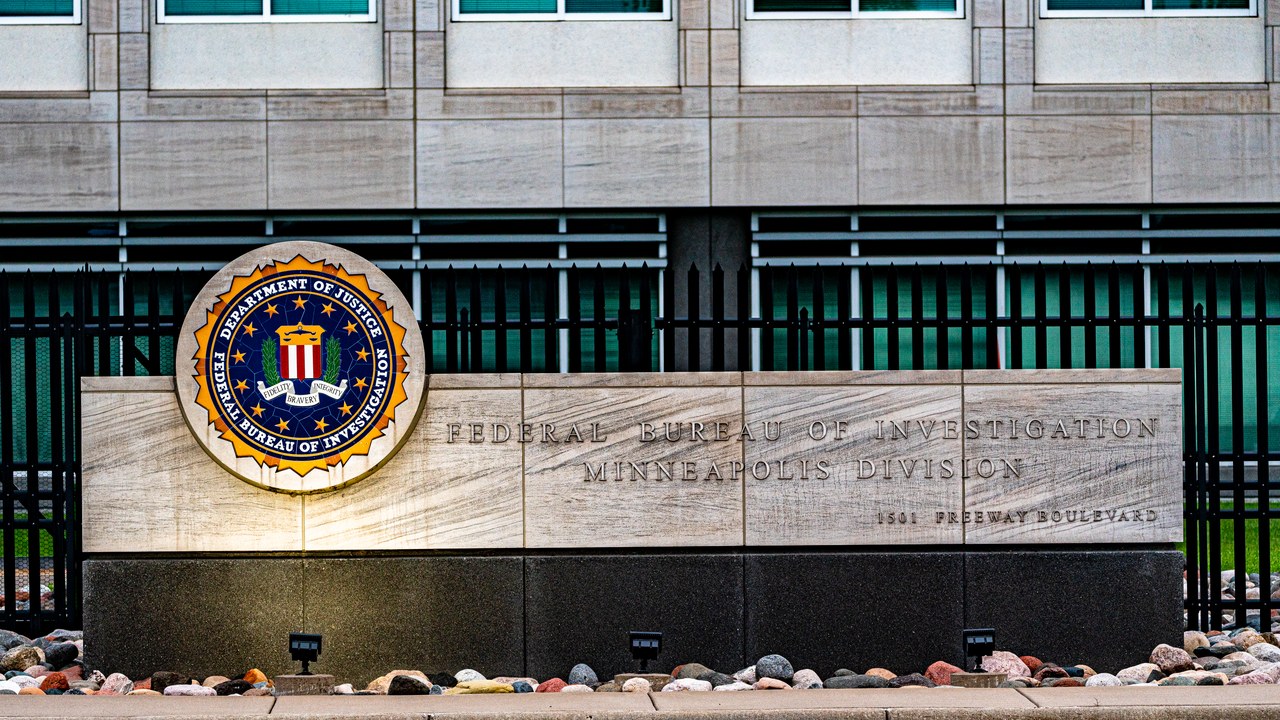
The FBI has warned repeatedly that scammers impersonate court officers and law enforcement to collect fake fines for missed jury duty, and the agency is blunt about the giveaway: courts and police do not call people to demand immediate payment to clear a warrant. A genuine failure-to-appear matter is handled through the mail and the courthouse, not resolved by a stranger collecting money over the phone in the next hour. The moment a caller ties an arrest to an on-the-spot payment, the call has identified itself.
The federal court system reinforces the point in its own guidance on jury scams. Court staff do occasionally contact citizens about jury service, but they never ask for a credit card number, a gift card, a wire transfer, or sensitive financial information over the phone, and they never threaten arrest for refusing to pay. Real jury communication comes by mailed summons, and any questions about it can be answered by calling the courthouse directly.
Free retirement updates: Scam calls targeting retirees change every week. Our free Retirement Shield newsletter flags the ones going around and the one tell that stops each. Sign up free.
The details that make the impersonation convincing
What makes the jury-duty version so effective is how much homework the caller appears to have done. Scammers often know a target’s name and address, sometimes pulled from public records or earlier data breaches, and they spoof the caller ID so the phone displays a local sheriff’s office or courthouse. Some read from a script studded with real legal terms and cite an actual judge’s name. Each accurate detail lowers the target’s guard and makes the fake warrant feel authentic.
The emotional engineering is just as deliberate. Being accused of breaking the law rattles law-abiding older adults in particular, precisely because they take a jury summons seriously and would never knowingly ignore a court. The caller leans on that conscientiousness, insisting the matter is urgent, that police are already on the way, and that secrecy is required. Fear plus urgency plus a demand for payment by gift card or wire is the FTC’s textbook description of a scam, and this one checks every box.
The instruction to stay silent is a tell in its own right. Scammers commonly warn the target not to hang up, not to discuss the matter with anyone, and to remain on the phone while driving to a store to buy the cards, isolating the person from the family member or bank teller who might interrupt the con. A real court proceeding has nothing to hide and no reason to forbid a defendant from consulting a lawyer or a relative. When a caller works to keep a senior alone and moving quickly, the goal is to close the theft before anyone can raise a question.
What breaks the con in a single step
The reliable defense is to refuse to act on the caller’s terms. Hanging up and independently calling the local court clerk’s office, using a number found on the county court’s official website rather than one the caller supplied, settles the question immediately: the clerk can confirm in moments that no warrant exists. A real court has nothing to fear from that callback, while a scammer needs the target to stay on the line and pay before the doubt sets in.
A short list of fixed facts arms anyone against the pitch. No court collects fines by gift card, cryptocurrency, wire, or payment app. No legitimate officer threatens arrest to force an instant payment. And no real warrant is resolved by a phone call demanding money. Any one of those elements is enough to end the conversation, because all three are hallmarks of fraud rather than justice.
It also helps to know how genuine jury service actually works. A summons is mailed weeks ahead, a missed date typically brings a second mailed notice rather than an arrest, and a citizen who believes a date was truly missed can call the clerk and reschedule without paying a cent by phone. Because the legitimate process is slow, documented, and forgiving, the breakneck pace of a warrant call, resolve it in the next hour or go to jail, is itself out of step with how any real court treats a first missed appearance.
Reporting the call protects the next household
Even when no money is lost, the call is worth reporting. The FBI’s Internet Crime Complaint Center and the FTC’s fraud reporting service both collect these accounts, and the details help investigators track the spoofed numbers and payment channels the rings rely on. Local courts also want to know when their name is being used, so they can post warnings to the community. A quick report turns one household’s near-miss into a warning that reaches others.
The summons that matters arrives in the mailbox, printed on court letterhead, with a date and instructions. The one that arrives by phone, threatening jail unless a fine is paid this minute, is a script, and the retiree who hangs up and calls the courthouse has already won.
This article was created with AI assistance and was reviewed, edited, and fact-checked by The Financial Wire editorial team.
More Financial Reading
- The ideal retirement withdrawal rate so your savings actually last
- How many CDs can you park at 1 bank? FDIC rules you must know