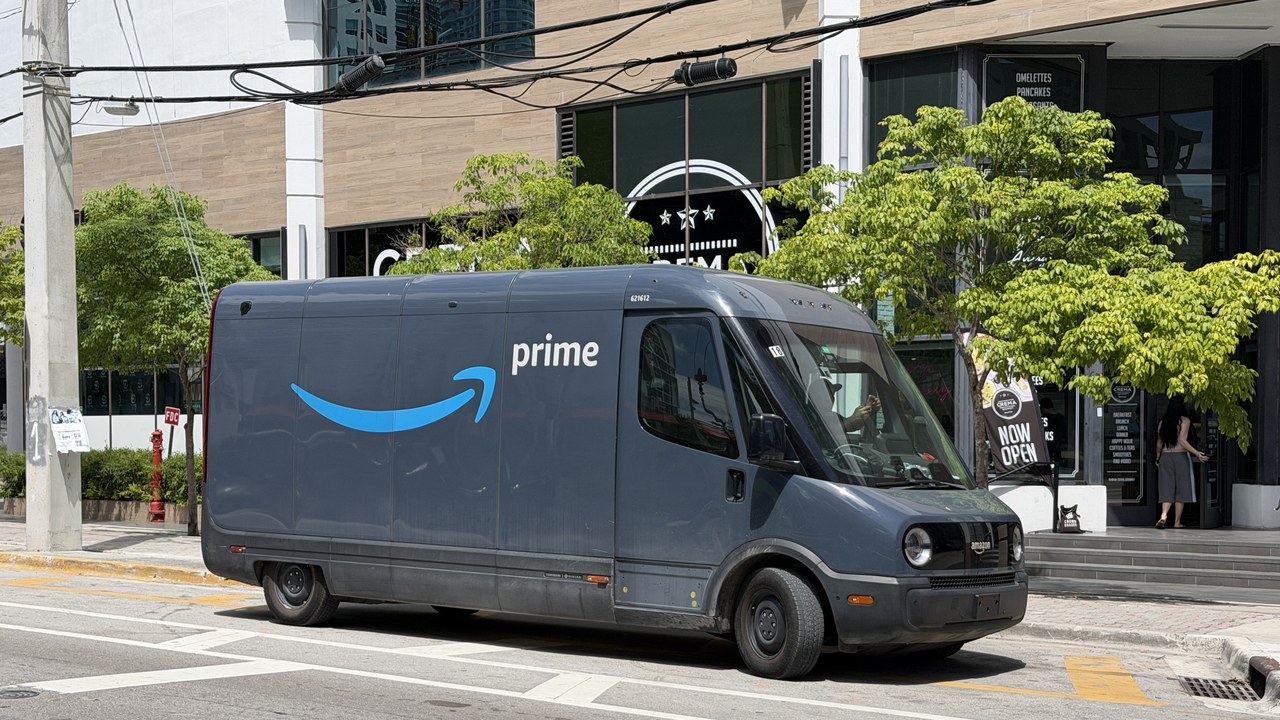
Millions more Amazon Prime customers will begin receiving automatic refunds on Oct. 1, and the most any one customer can collect under Amazon’s 2025 settlement with the Federal Trade Commission has risen from $51 to $200. The FTC announced the changes on Sept. 17, after a federal court approved a joint motion by the agency and Amazon to revise the redress order. Under the new terms, all future payments will go out automatically, with no claim forms required.
What the revised order changes
The original case centered on Prime sign-ups and cancellations. In September 2025, Amazon agreed to a $2.5 billion settlement resolving FTC allegations that it enrolled millions of consumers in Prime without their consent and knowingly made the subscription difficult to cancel. The deal required up to $1.5 billion in redress to harmed consumers, on top of a $1 billion civil penalty.
According to the FTC’s announcement, Amazon had issued more than $845 million in redress as of September 2026. The court-approved revisions make three main changes: more consumers now qualify for refunds, the maximum payment cap rises from $51 to $200 in total, and every remaining payment will be distributed automatically, so consumers do not need to submit claims or additional paperwork to Amazon.
The 2025 order, filed in the U.S. District Court for the Western District of Washington, also named Amazon senior vice president Neil Lindsay and vice president Jamil Ghani. When it was announced, the FTC said the \$1.5 billion in redress was meant to provide full relief for an estimated 35 million consumers affected by unwanted Prime enrollment or delayed cancellation. Beyond the money, the settlement required Amazon to add a clear button for declining Prime, disclose the cost, billing dates and auto-renewal terms during sign-up, offer a cancellation method as easy as the one used to enroll, and pay for an independent third-party supervisor to monitor the redress distribution.
“The revised order will ensure more consumers who were harmed by Amazon’s deceptive enrollment and cancellation practices benefit from the FTC’s historic settlement,” said Christopher Mufarrige, director of the FTC’s Bureau of Consumer Protection. “This action underscores the FTC’s commitment to ensuring companies return money to consumers harmed by unlawful and deceptive business practices.”
Automatic still means worth tracking. A refund that arrives by Venmo, PayPal or mailed check can be easy to miss or mistake for a scam, and the four-date rule for reading a settlement notice helps keep the October round and any later round straight, a tool included in The Settlement & Refund Recovery System.
Who gets paid starting Oct. 1
The biggest practical change is who qualifies. The original order required Amazon to pay refunds of up to $51 to consumers who used fewer than 10 Prime benefits during a one-year period, a way of identifying people who were paying for a membership they barely used.
Under the revised order, Amazon will begin sending automatic redress payments to millions of additional consumers who used between 11 and 20 Prime benefits during a one-year period. Those customers were left out of the earlier payment phases. Starting Oct. 1, 2026, they will be eligible for automatic refunds. People who already received a payment under the original terms are not part of this new October group; their path to a larger total runs through the possible 2027 top-up described below.
The FTC said the money will be sent by electronic payment through Venmo or PayPal, or by mailed check. Eligible consumers will not have to file a claim, respond to a notice or complete any forms to receive it.
For older Prime members who used only a modest number of benefits in a year, the expansion could bring a refund even if nothing arrived in the first round. The FTC’s Amazon refunds page carries the agency’s latest information on the process.
A possible $149 top-up in 2027
The higher $200 ceiling comes into play through a second, conditional round. If consumer-accepted payments have not reached a required threshold by February 2027, Amazon must make additional automatic payments to consumers who previously received refunds under the settlement.
In that case, consumers who accepted earlier payments will be eligible for an additional $149, bringing their total to $200. The FTC said this final round of supplemental payments would begin by April 2027 and, like the October payments, would be distributed automatically.
The structure means the top-up depends on how much of the redress money consumers actually accept over the coming months. The agency tied the extra payments to consumers who have accepted payments, which makes it worth watching for an Amazon refund in a Venmo or PayPal account or in the mail rather than ignoring an unfamiliar deposit notice.
Refund scams to watch for
Large, well-publicized refund programs tend to attract impostors, and the FTC included a pointed warning in its announcement. Amazon, not the FTC, is responsible for administering the redress program, and the agency said it is not contacting anyone about refunds in the Amazon matter. Anyone who calls or writes claiming to be with the FTC about an Amazon refund is likely a scammer.
The agency also said that no one from Amazon will ever ask for money to deliver a refund, and it reminds consumers that the FTC itself never demands money, makes threats, tells people to transfer money or promises a prize. Because the new payments require no claim form, any request for a fee, a gift card, bank login details or a Social Security number in exchange for an Amazon Prime refund is a clear sign of fraud.
Older consumers are frequent targets of refund and “overpayment” schemes, in which a caller claims a refund was sent in error and demands the difference back. Suspicious contacts can be reported to the FTC at ReportFraud.ftc.gov. Anyone unsure whether a payment is legitimate can check the Amazon account directly or consult the FTC’s refund page, rather than following links in an unexpected text or email.
Two payment rounds, two sets of dates to keep straight
Between an October payment, a possible 2027 top-up and a crowd of copycat refund offers, it is easy to lose track of what has been received, through which channel and whether a second payment is still due.
The Settlement & Refund Recovery System includes a claim log and payment tracker, the scam-proof rules and the source vault of 12 official places money sits, which together make it simpler to record each Amazon payment and check any refund offer against an official source.
Keep each payment accounted for with The Settlement & Refund Recovery System.
This article was prepared with AI assistance and reviewed against the linked official sources.