A federal grand jury in Chicago indicted investment adviser John Sterling Myers on wire fraud charges for allegedly running a Ponzi scheme that raised approximately $4 million from roughly 28 investors. Prosecutors say Myers and his firms, Sterling Capital, LLC and Sterling Capital Management, LLC, funneled new client money to repay earlier participants while misappropriating at least $1.8 million for personal use. The case echoes a prior Illinois adviser prosecution and sharpens questions about how long fabricated account statements can conceal fraud before regulators or clients catch on.
How fabricated statements kept the Myers scheme alive
The core of the Myers case rests on quarterly performance statements that were entirely made up. According to the SEC litigation release, Myers sent investors reports showing steady gains and positive account balances while at least approximately $1.8 million in client money was being diverted. Because those statements never reflected the actual depletion of assets, they did not trigger the kind of urgent withdrawal requests or complaints that might have exposed the shortfall earlier.
That dynamic stands in contrast to an earlier Illinois case involving Steve W. Salutric, who operated Results One Financial. Salutric allegedly used forged client signatures on withdrawal requests to move funds out of brokerage and advisory accounts, according to the FBI Chicago release. Forging withdrawal documents carries a built-in clock: custodians, banks, or clients themselves can spot unauthorized transfers quickly when account activity no longer matches expectations. Fabricated performance reports, by contrast, sit in a filing cabinet or an inbox. Unless an investor independently verifies balances with an unaffiliated custodian, the numbers on the page can go unchallenged for years.
Both schemes shared the same engine. New investor funds were used to repay prior investors in classic Ponzi fashion, masking losses and misappropriations with incoming cash. But the detection timeline differed. Salutric caused 10 clients to lose more than $4.26 million, and the case involved emergency court relief including a temporary restraining order and asset freeze to halt further transfers. Myers raised approximately $4 million from approximately 28 investors, spreading the fraud across a wider pool of smaller accounts, which may have further delayed any single client from noticing discrepancies large enough to demand immediate answers.
Wire fraud charges and the federal enforcement record
The U.S. Attorney’s Office in Chicago announced the indictment, charging Myers with federal wire fraud. Each wire fraud count carries a statutory maximum of 20 years in prison, giving prosecutors significant leverage in plea discussions and, if the case proceeds to trial, a substantial potential penalty upon conviction. The charging documents allege that Myers used interstate wires, including electronic transfers and email communications, to solicit investments and transmit falsified information.
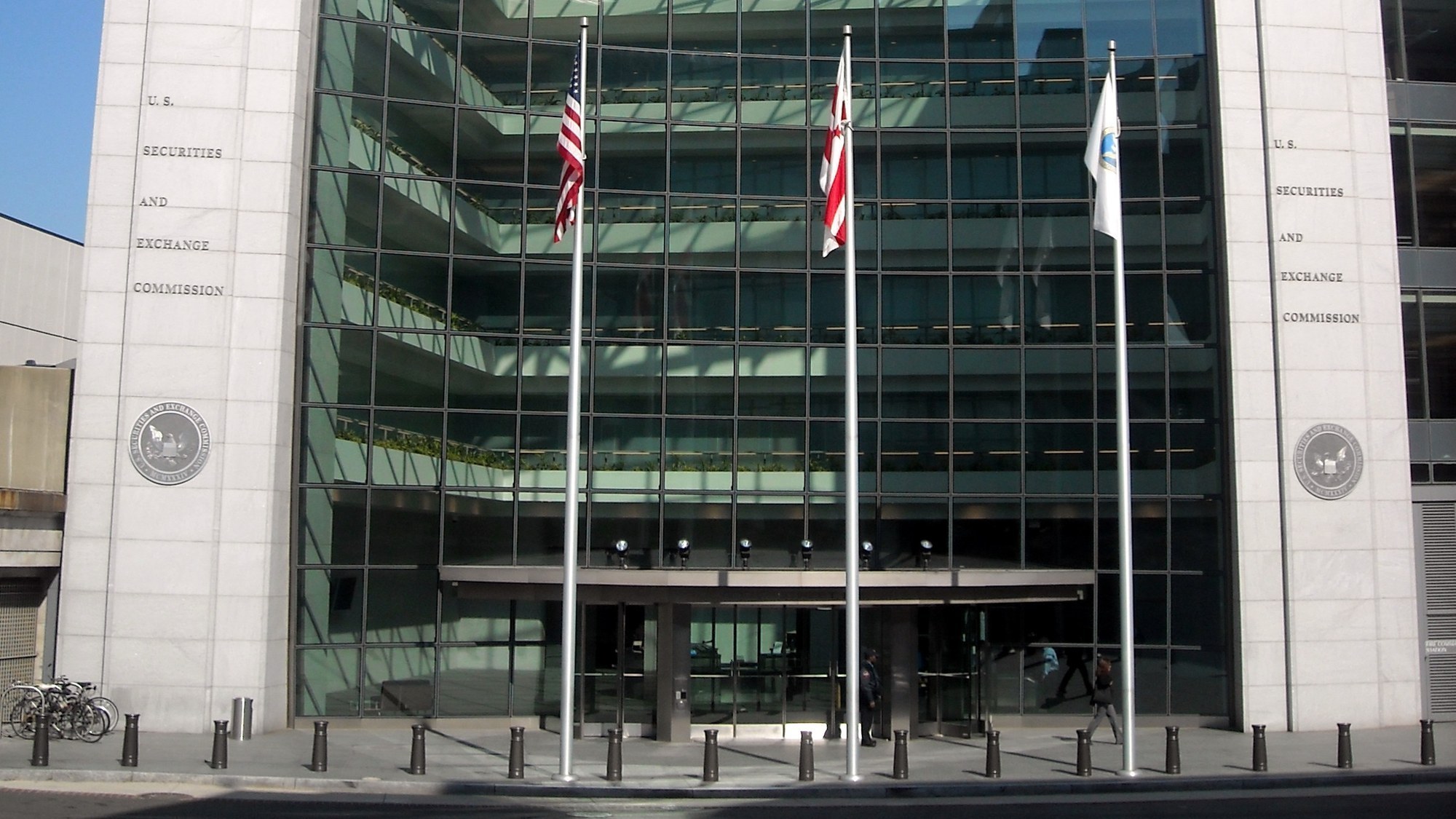
The SEC filed a parallel civil action against Myers, Sterling Capital, LLC, and Sterling Capital Management, LLC. That complaint identifies Myers as Chicago-based and alleges he misappropriated at least approximately $1.8 million of the roughly $4 million raised, using client funds for personal expenses rather than the promised investment strategies. In the Salutric matter, the SEC obtained emergency relief including a TRO and asset freeze to prevent further dissipation of assets and to preserve what remained for harmed investors. Whether similar emergency measures have been imposed in the Myers case is not specified in the available enforcement releases, leaving open questions about how much money, if any, can ultimately be recovered.
For investors, the practical difference between fabricated statements and forged withdrawals matters less than the outcome: money gone and trust shattered. But the mechanics of each scheme highlight different regulatory vulnerabilities. Forged withdrawals can be caught by custodians that verify signatures or contact clients before releasing funds. Fake account statements, however, exploit the gap between an adviser’s internal reporting and third-party records. When investors rely solely on the adviser’s documents, a fraudster can control the narrative for a long time.
Regulators have tried to narrow that gap. In the Salutric case, the SEC’s emergency action, described in an earlier civil filing, underscored the importance of swift intervention when client assets appear at risk. The Myers indictment shows that, more than a decade later, similar themes persist: small advisory firms, limited internal controls, and clients who may not insist on independent verification of their holdings.
For individual investors, the lessons are concrete. Accounts should, whenever possible, be held at an independent custodian that sends statements directly to the client. Balances and transactions on adviser-prepared reports should be cross-checked against those third-party statements, especially when performance appears unusually smooth or consistently positive. Requests to transfer funds should be confirmed through channels the investor controls, not solely through the adviser.
The Myers and Salutric cases also illustrate the role of parallel enforcement. Criminal prosecutors focus on punishment and deterrence, while civil regulators seek to freeze assets, obtain injunctions, and establish restitution frameworks. Neither track can guarantee full recovery for victims, particularly when misappropriated funds have been spent rather than invested. But together, they send a clear message that falsified documents-whether they are forged withdrawal forms or invented account statements-remain at the center of many modern Ponzi schemes, and that vigilance from both regulators and investors is still the first line of defense.