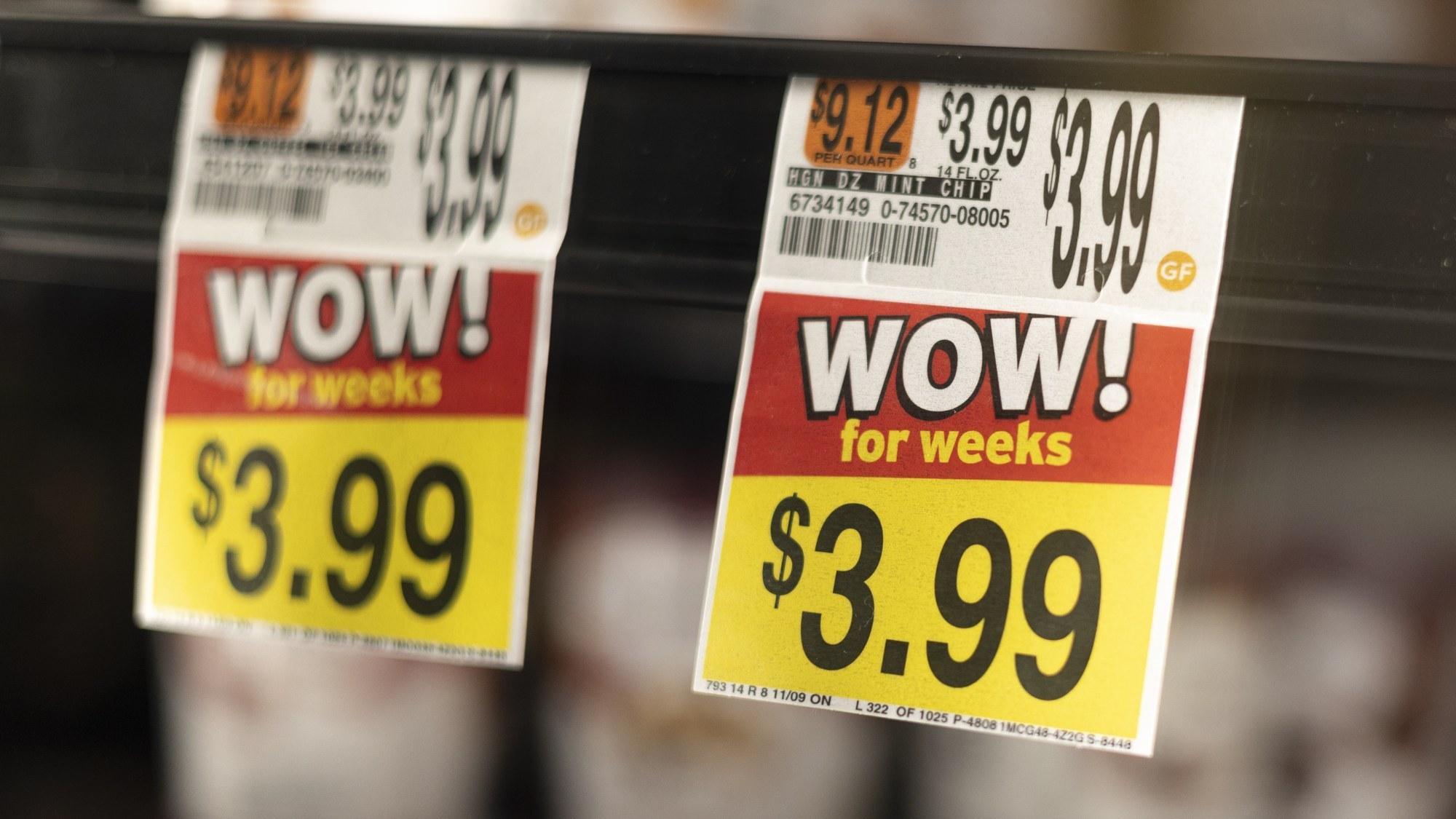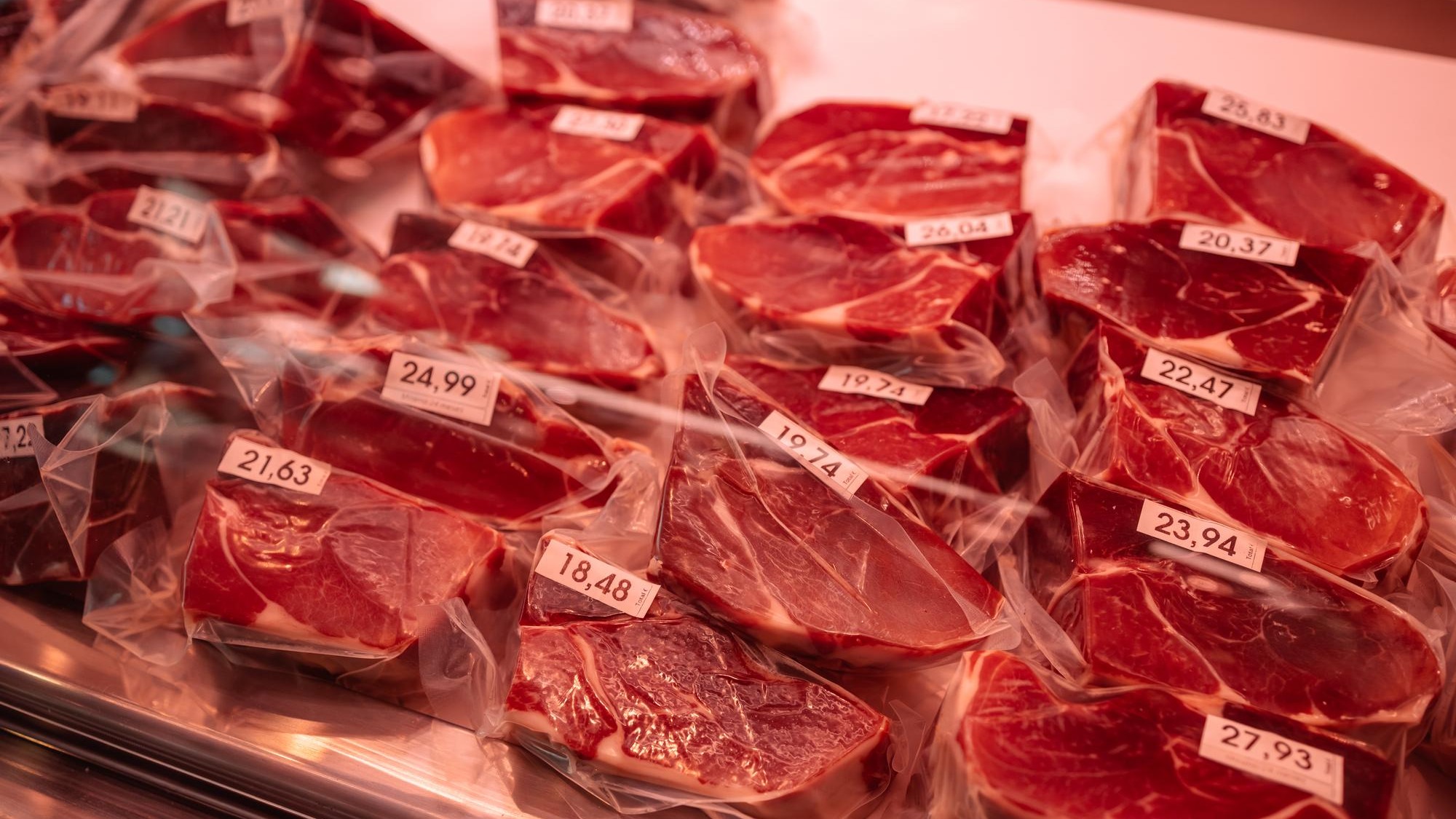
At the grocery store, the sticker shock is hard to miss. A pound of ground beef that averaged around $5.50 last spring now costs closer to $6.17, based on Bureau of Labor Statistics average retail price data. Scale that up across a week of family dinners and the budget strain adds up quickly. BLS figures show beef prices jumped 12.1% over the 12 months ending in March 2026, nearly four times the 3.3% rise in the overall Consumer Price Index during the same stretch.
Beef is the sharpest spike, but it is not the only one. Nonalcoholic beverages, a BLS category that covers coffee, tea, and soft drinks, climbed 4.7% year over year through March 2026. That is roughly 40% faster than headline inflation. The USDA’s April 2026 Food Price Outlook also flagged sugar and sweets as a category pushing above the food average. For the millions of Americans who start every morning with a cup of coffee and a spoonful of sugar, the cumulative cost increase is tangible.
The gap between “average” inflation and your grocery receipt
Overall food-at-home prices rose 2.7% from March 2025 to March 2026, according to the USDA. That figure actually sits below the 3.3% all-items CPI, largely because shelter and energy costs are pulling the broader index higher. On paper, groceries look relatively tame.
But averages flatten the picture. When beef climbs 12.1% and beverages climb 4.7%, those spikes get diluted by categories that barely moved or even declined. A household that eats mostly chicken and skips coffee might feel inflation at or below the average. A household that grills steaks on weekends and drinks two pots of coffee a day is absorbing price increases several times the headline rate.
The BLS designs the CPI-U to reflect spending patterns across roughly 93% of the U.S. urban population, but no single index captures what any individual family actually pays. That disconnect helps explain why so many shoppers feel like inflation is worse than the official numbers suggest: for certain grocery carts, it genuinely is.
Why beef keeps climbing
The U.S. cattle herd has been contracting for several years running. Persistent drought across major ranching states in the Southern Plains and West forced producers to cull breeding stock earlier than planned, shrinking the supply of calves entering feedlots. At the same time, export demand for American beef has stayed strong, particularly from buyers in South Korea, Japan, and China. Tighter domestic supply meeting steady global appetite has driven wholesale and retail prices sharply higher.
USDA cattle inventory data published in early 2026 confirmed that the national herd remains near its smallest size in more than a decade. Rebuilding is a slow biological process: a cow bred today will not produce a market-ready animal for roughly two years. That lag means meaningful relief at the meat counter is unlikely to arrive soon, even if pasture conditions improve over the spring and summer of 2026.
“Consumers are frustrated, and I understand why,” USDA Chief Economist Seth Meyer said during the agency’s spring 2026 outlook forum, noting that cattle cycle dynamics make quick price reversals unlikely. Trade policy adds another variable. With tariff tensions running high across multiple sectors in 2026, any new duties on agricultural inputs or retaliatory measures from beef-importing countries could further complicate the pricing picture, though no beef-specific tariffs have taken effect as of this writing.
Coffee and sugar face their own supply squeeze
The BLS groups coffee, tea, juices, and carbonated drinks into a single nonalcoholic beverage line, so the 4.7% figure does not isolate coffee on its own. But global coffee markets have been under sustained pressure. Brazil, the world’s largest producer, dealt with adverse weather during recent growing seasons that trimmed output of both arabica and robusta beans. Futures prices on the Intercontinental Exchange reflected that tightness throughout late 2025 and into early 2026, and major roasters have passed a portion of those higher costs through to retail shelves.
The National Coffee Association reported in its spring 2026 trends release that American coffee drinkers were increasingly noticing price hikes at the shelf, with some shifting to smaller package sizes rather than switching away from the beverage entirely.
Sugar faces a similar bind. Production shortfalls in India and Thailand, two of the world’s top exporters, tightened global supplies heading into 2026. U.S. sugar policy, which limits imports through tariff-rate quotas, adds another layer of price support domestically. The USDA’s Food Price Outlook noted upward pressure in the sugar and sweets category, consistent with these overlapping supply constraints.
Worth noting: eggs, another grocery item that grabbed headlines for price spikes driven by avian influenza outbreaks, follow a different supply dynamic than beef, coffee, or sugar. This piece focuses on the items the BLS data show climbing fastest relative to overall inflation through March 2026, but egg prices remain a separate and significant pressure point for many households.
How this hits household budgets unevenly
Food spending lands hardest on lower-income households in proportional terms. Families in the bottom fifth of earners typically devote more than 30% of their after-tax income to food, compared with roughly 8% for the top fifth, according to BLS Consumer Expenditure Survey data. When staples like beef and coffee spike well above average inflation, the burden falls disproportionately on the households with the least room to absorb it.
Wage growth provides some cushion, but not enough for everyone. Average hourly earnings for private-sector workers rose approximately 3.8% year over year through early 2026, per BLS payroll data. That outpaces the 3.3% all-items CPI, meaning the typical worker’s purchasing power edged up slightly in the aggregate. But 3.8% wage growth does not keep pace with a 12.1% jump in beef or a 4.7% rise in beverages. Workers whose grocery carts lean heavily toward the fastest-climbing categories are losing ground in real terms, even as their paychecks grow nominally.
The compounding effect matters, too. A household dealing with higher beef, higher coffee, and higher sugar simultaneously is not just facing one above-average increase. Those costs stack across meals and weeks, widening the gap between official inflation readings and lived experience.
Substitution is the quiet safety valve
Economists expect consumers to trade down from the priciest proteins when the price gap widens enough. Chicken, which has seen more modest price increases than beef in recent BLS data, becomes the default swap. Pork occupies a middle ground. The USDA’s retail price series shows that boneless chicken breast remains significantly cheaper per pound than ground beef, and that spread has widened as beef costs have accelerated.
Substitution works less cleanly for coffee and sugar. Switching from a name-brand ground coffee to a store brand saves a few dollars per canister, but the underlying commodity cost affects both. Tea is a functional substitute for caffeine, though cultural habits make large-scale switching slow. Sugar alternatives exist, but they carry their own price dynamics and plenty of consumer resistance. In practice, many households simply absorb the higher cost or quietly cut back on quantities rather than switch products entirely.
Why beef, coffee, and sugar relief likely stretches into 2027
The USDA’s April 2026 outlook projects continued upward pressure on grocery prices through the year but does not publish a single-point forecast for beef or beverages. Instead, it offers ranges and qualitative risk assessments. Broader economic variables, from interest rates to global commodity flows to weather patterns during the 2026 growing season, could either amplify or ease current trends in ways that are not yet visible in the March data.
For beef specifically, the timeline for herd rebuilding suggests prices are unlikely to retreat sharply before 2027 at the earliest. Coffee futures have shown some moderation in recent weeks, but a single poor frost forecast in Brazil’s coffee belt could reverse that quickly. Sugar markets remain tight pending clarity on India’s export policy for the coming season.
What the data confirm as of spring 2026 is straightforward: several of the most common items in American kitchens are rising at three to four times the pace of overall inflation. The BLS and USDA figures back that up clearly, and the causes are rooted in well-documented supply constraints rather than speculation. For families budgeting through the rest of the year, the most realistic expectation is that relief on beef, coffee, and sugar will be slow to arrive, and that the grocery receipt will continue to tell a different story than the headline inflation number.