Two of Wall Street’s most-watched indexes moved in opposite directions on May 1, 2026, and the split captured an economy that cannot decide whether it is thriving or bracing for trouble. The S&P 500 closed at a record 7,230.12, up 21.11 points on the session. The Dow Jones Industrial Average fell 152.87 points to 49,499.27 during the very same hours of trading, according to an Associated Press market recap.
A fresh all-time high in the S&P would normally signal broad confidence. But the Dow’s slide, dragged down by industrials and energy producers absorbing relentless cost increases, told a different story. Technology and growth stocks powered the Nasdaq Composite up 222.13 points, or 0.9%, to 25,114.44. Investors appeared to be funneling money into companies they believe can outrun inflation while retreating from sectors where rising costs are already compressing margins.
A PCE reading that changed the mood
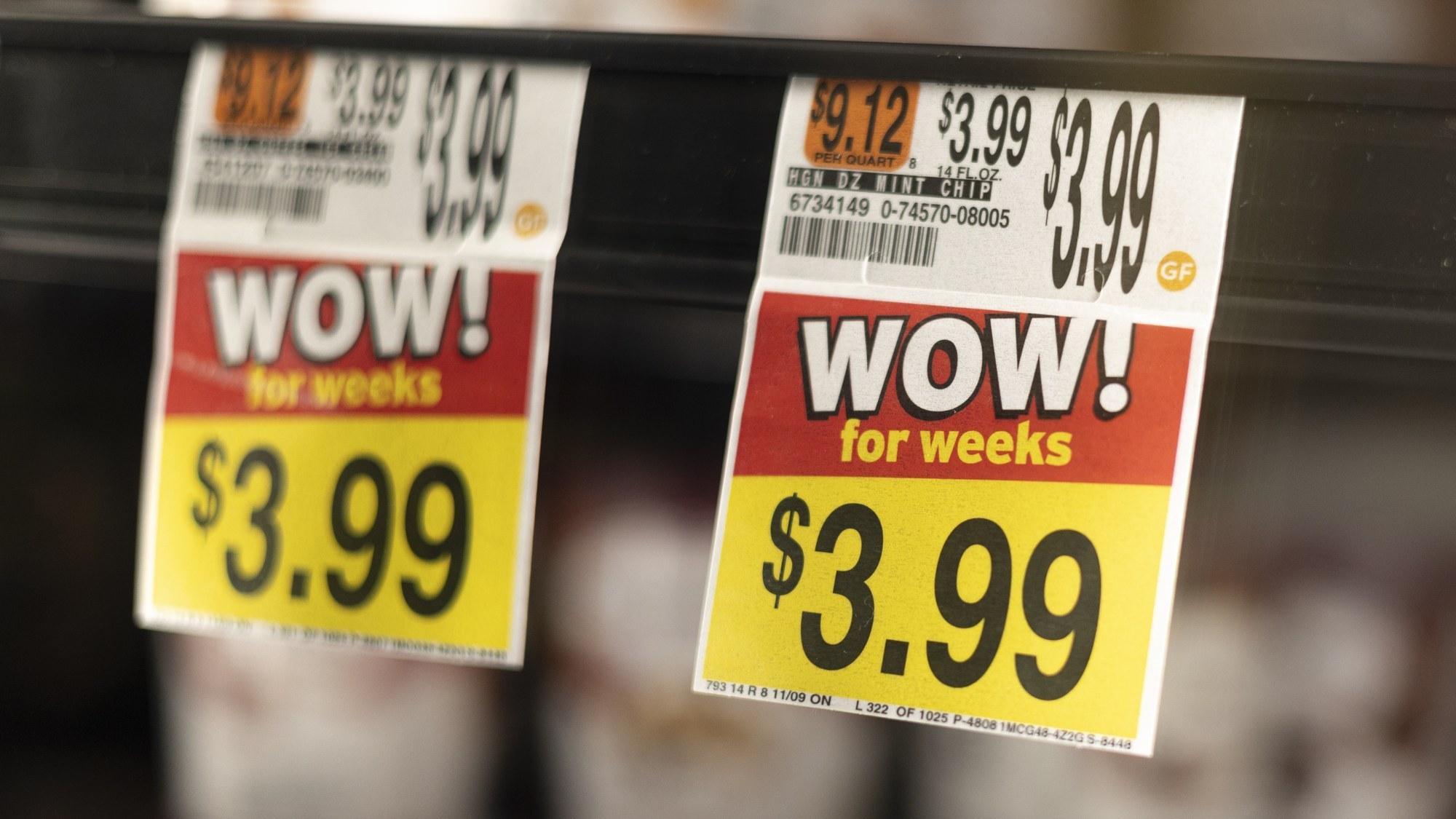
The sharpest catalyst arrived days before the session opened. The Bureau of Economic Analysis reported that its March 2026 personal consumption expenditures (PCE) price index jumped 0.7% month over month. That is the Federal Reserve’s preferred inflation gauge, and a 0.7% monthly increase is unusually steep. To put that in context, the last time the Fed began a rate-cutting cycle, in late 2024, monthly core PCE readings were running closer to 0.2% to 0.3%. A print more than double that range is the kind of number that can delay or derail rate cuts entirely.
Personal income and disposable income both grew in nominal terms in the same release, but the price component overshadowed everything else. When households earn more yet watch prices climb even faster, real purchasing power shrinks. That dynamic matters because consumer spending accounts for roughly two-thirds of U.S. GDP, and any erosion in spending power ripples through corporate revenue forecasts within a quarter or two.
Factory costs keep climbing
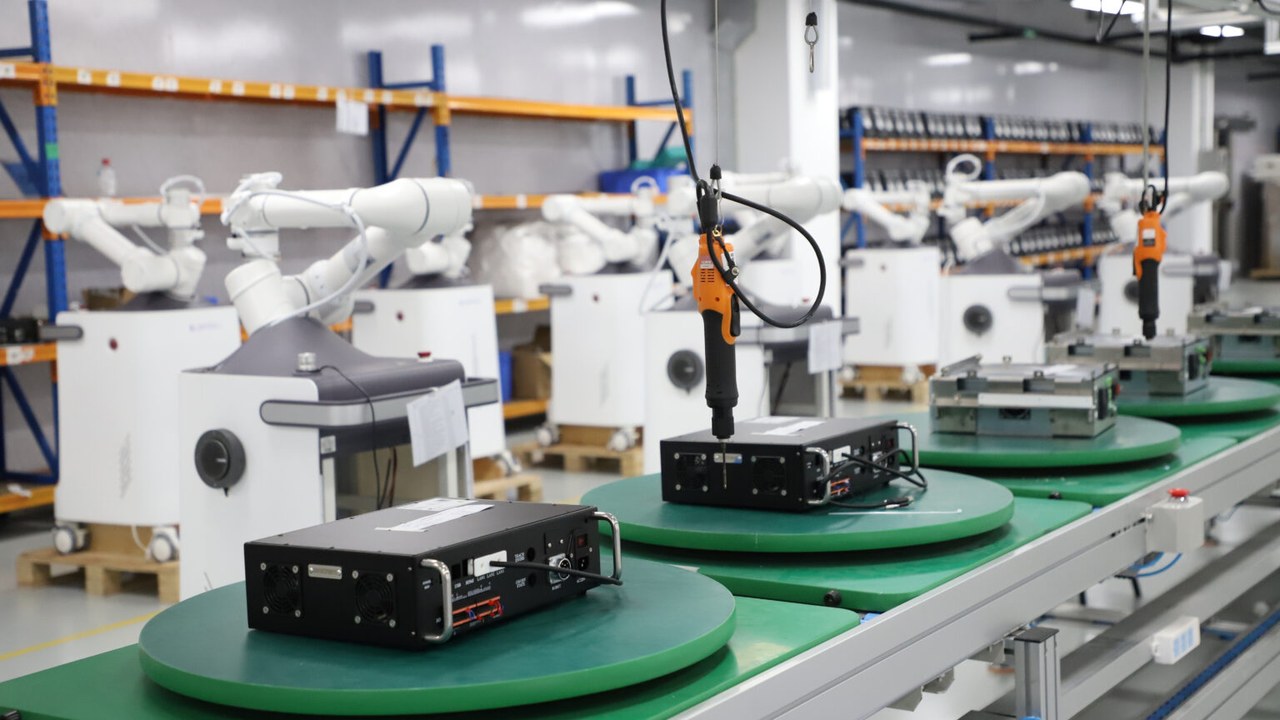
Manufacturers are absorbing a different kind of pain. The Institute for Supply Management’s April 2026 Manufacturing PMI report showed the headline index at 52.7, which signals expansion. But the Prices Index inside that report surged to 84.6% from 78.3% in March. According to the ISM, raw materials prices have now risen for 19 consecutive months.
Nineteen straight months of input-cost increases is a punishing streak, and those costs do not stay inside the factory. They flow downstream into wholesale and retail prices, typically with a lag of a few months. “We are quoting jobs today with no confidence in what steel and resin will cost us 90 days from now,” one Midwest contract manufacturer told the ISM survey’s respondent comments. For companies that lack the brand strength or market position to pass along higher costs, the math turns ugly fast: margins compress, earnings guidance gets cut, and stock prices follow.
The Dow’s decline on May 1 reflected exactly that pressure. Industrial and materials names that dominate the price-weighted index are among the most exposed to sustained raw-material inflation. Their weakness dragged the average lower even as megacap tech names pushed the S&P and Nasdaq to new heights.
Oil prices and the shadow of the Iran conflict
Crude oil has been a persistent source of anxiety throughout the spring. The ongoing military conflict involving Iran has raised fears of supply disruptions in the Persian Gulf, a chokepoint for roughly a fifth of the world’s traded oil. Elevated energy costs were a visible factor behind both the ISM’s surging Prices Index and the broader inflation picture captured in the PCE report.
Official U.S. government energy data for the May 1 session had not yet been published at the time of this report. The Energy Information Administration releases weekly petroleum status reports on a lag, so the precise scale of any crude price move that day has not been confirmed by a primary government source. What the ISM and BEA data make clear is that energy-related cost pressures are already baked into the numbers manufacturers and consumers are living with, regardless of any single day’s barrel price.
The geopolitical risk extends well beyond the headline crude number. Shipping insurance premiums have climbed as tankers reroute around conflict zones, and uncertainty about regional stability adds a risk premium to global supply chains. The BEA publishes international trade and investment factsheets that outline the scale of U.S. commercial ties to overseas manufacturing hubs and energy exporters, though the factsheets are summary documents rather than granular datasets tracking real-time disruption costs. When those linkages are stressed, the effects tend to surface in earnings reports one or two quarters later.
The Fed’s next move is still an open question
The Federal Reserve has not publicly addressed the March PCE reading in detail. The next scheduled Federal Open Market Committee meeting falls in June, and between now and then, policymakers will have several more data points to weigh. The most immediate is the April Consumer Price Index, which the Bureau of Labor Statistics release calendar places on May 12, 2026.
That CPI report will carry outsized weight. A softer reading could revive hopes that rate cuts remain on the table for later in 2026. A number that confirms or exceeds the PCE’s heat would likely push traders to price in a longer stretch of elevated rates, adding pressure to rate-sensitive sectors like housing, utilities, and small-cap stocks that depend on affordable borrowing.
The bond market is already signaling caution. Yields on the 10-year Treasury have stayed elevated through the spring, consistent with expectations that the Fed will hold rates steady at minimum. Equity investors watching the S&P 500 set records while the bond market flashes yellow are left trying to reconcile two very different messages about where the economy is headed.
Record highs built on a narrow base
Bulls point to the S&P 500’s record and the Nasdaq’s strength as evidence that the largest, most profitable companies in the world can grow through inflation. Many of the megacap technology and communication-services firms driving the indexes higher carry strong balance sheets, high margins, and business models that scale without proportional increases in raw-material costs. In that reading, the market is rationally rewarding resilience.
Bears see the Dow’s decline as a crack in the foundation. When the broadest measure of blue-chip industrial America drops on the same day the S&P sets a record, it suggests the rally is being carried by a relatively small number of names. The price-weighted Dow falling while the cap-weighted S&P rises is itself a breadth signal: the biggest companies by market value are masking weakness among the rest. If the equal-weight version of the S&P 500, which gives every constituent the same influence, lagged the cap-weighted index on May 1, that would confirm the narrowness of the advance. Narrow rallies have a history of fragility. If the handful of stocks holding up the index stumble on earnings or face regulatory headwinds, there may not be enough support underneath to prevent a broader pullback.
Both readings have evidence behind them, and neither captures the full picture. The verified data from the BEA and ISM confirm that inflation is running hotter than the Fed would like and that manufacturers are deep into a prolonged cost cycle. The market’s May 1 divergence, with the S&P celebrating and the Dow retreating, is a direct reflection of that uncertainty. The next few weeks will test which signal was right. The April CPI lands on May 12. The June FOMC decision follows shortly after. Together, they will go a long way toward determining whether this record high marked the start of a sustained advance or a peak that investors will look back on and wish they had taken more seriously.