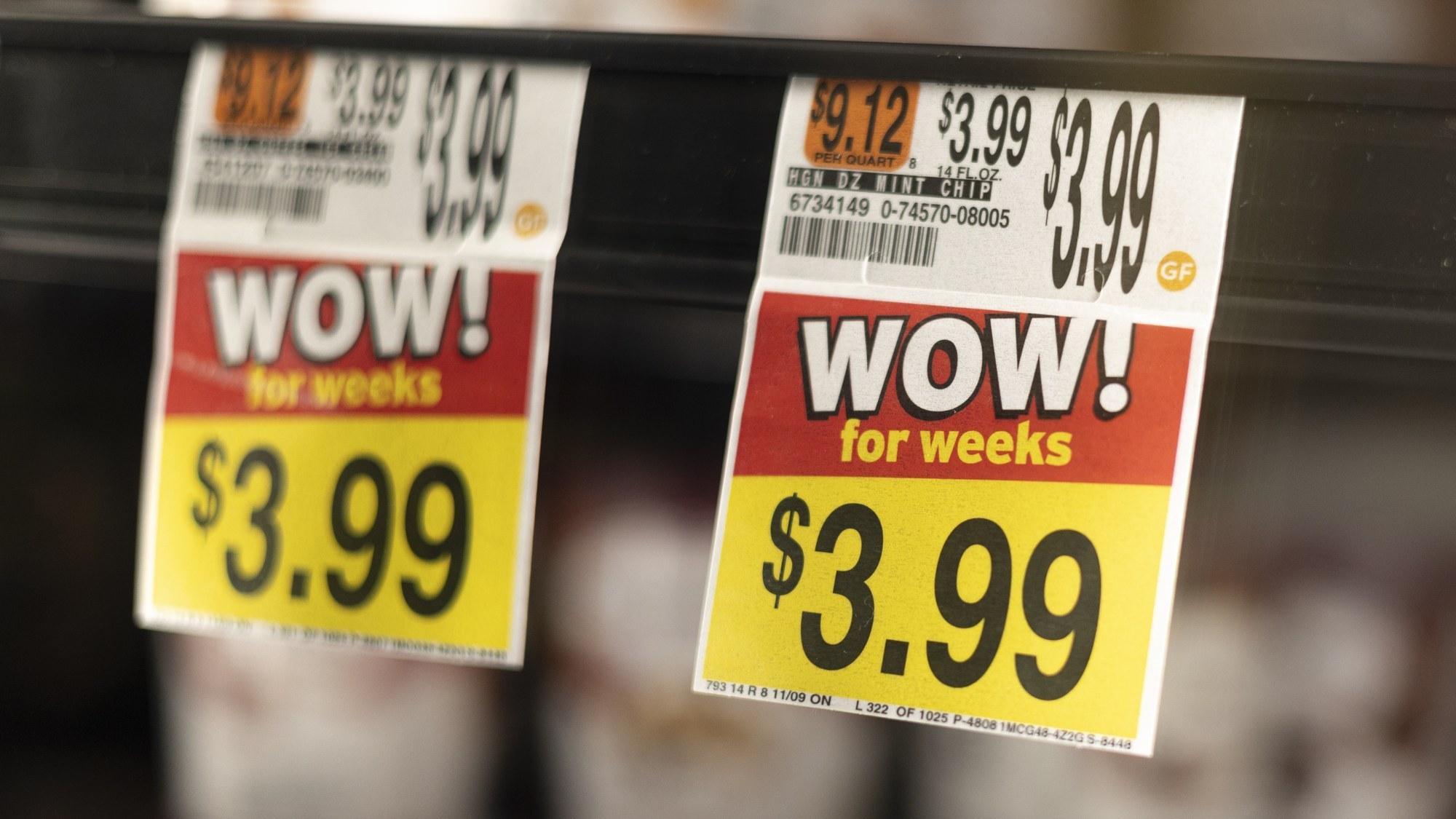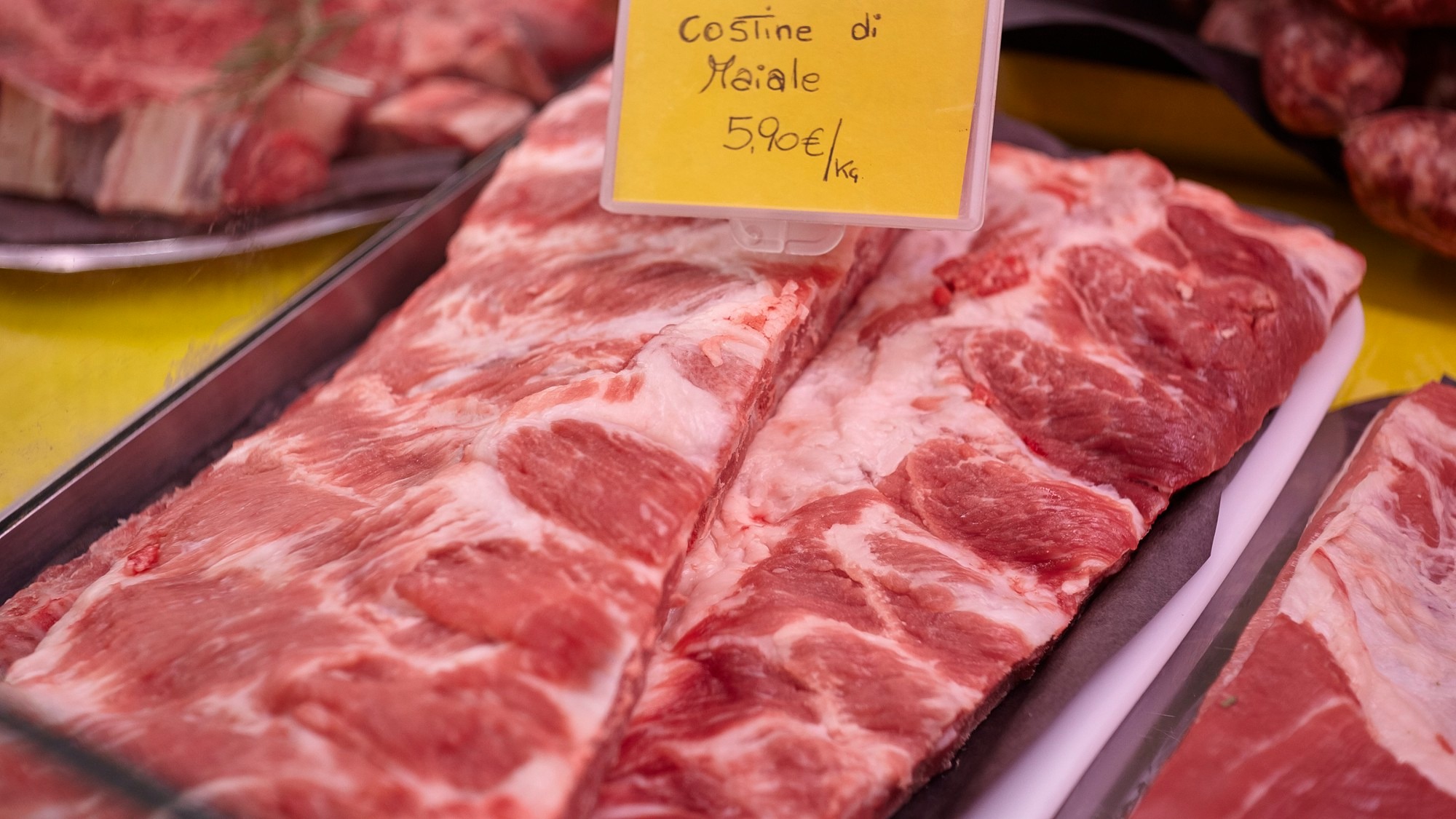
The number on the little white sticker has never been this high. Bureau of Labor Statistics data shows the national average price for uncooked beef steak reached $12.74 per pound in February 2026, the most expensive monthly reading in the history of the agency’s tracking series. March barely budged, landing at $12.73. Compare that with roughly $11.08 a pound in February 2025, from the same BLS data, and families are staring at a 15% jump for the same grocery-cart staple in just 12 months.
The relief aisle is not in sight. The USDA’s Economic Research Service, which publishes the government’s official Food Price Outlook (last updated April 24, 2026), projects that beef and veal prices will rise by an additional 6% to 10% on a calendar-year basis, with much of that increase expected to land during the summer grilling months. The agency frames its forecast as a prediction interval rather than a single guaranteed figure, but even the low end signals meaningful pain between now and Labor Day.
Why beef keeps getting more expensive
The biggest driver is old-fashioned scarcity. The USDA’s National Agricultural Statistics Service pegged the U.S. cattle herd at approximately 86.7 million head in its January 2026 Cattle Inventory report, the smallest count since the early 1960s. Years of persistent drought across the Southern Plains and Western ranching states forced producers to send breeding cows to slaughter rather than carry them through another dry season, shrinking the pipeline of calves that eventually become grocery-store beef.
Rebuilding that pipeline is painfully slow. A cow carries a single calf for nine months, and that calf needs another 18 to 24 months of growth before it reaches market weight. Even aggressive restocking efforts would not translate into meaningfully larger beef supplies before late 2027 at the earliest, a timeline consistent with the biological constraints that university livestock economists routinely cite when analyzing cattle-cycle recoveries.
Feed costs compound the problem from the other side of the ledger. Corn and soybean meal, the two primary ingredients in feedlot rations, remain elevated compared with pre-pandemic averages. That squeezes margins for cattle feeders and keeps wholesale beef prices high, costs that get passed through the supply chain and ultimately show up on the retail price tag.
Imports have not filled the gap, either. The U.S. does bring in beef from Australia, Brazil, and other suppliers, but much of that product is lean manufacturing-grade beef used in ground beef and processed items, not the grain-finished steaks American consumers favor. Trade volumes have ticked up, yet not nearly enough to offset the domestic shortfall in fed cattle.
How steak compares with other proteins
The BLS tracks average retail prices across a range of meats using its Average Price per Pound series (the same APU family of codes that covers steak), and the spread between beef and its nearest competitors has widened sharply. As of early 2026, boneless chicken breast (BLS series APU0000FF1101) averaged roughly $4.20 per pound nationally, while bone-in pork chops (BLS series APU0000FD3101) sat near $4.50. Ground beef, often treated as the affordable fallback within the beef category itself, has climbed past $5.80 per pound (BLS series APU0000FC1101), also a record for that cut.
The price gap is already reshaping shopping carts. USDA disappearance data shows per-capita chicken consumption continuing to rise, while beef consumption per person has trended lower. For households watching every dollar, swapping a ribeye for a whole chicken or a bone-in pork shoulder is one of the most direct ways to absorb the hit.
What the numbers do and don’t capture
Some important context belongs alongside the headline figure. The BLS steak price is a U.S. city average, which smooths over real geographic variation. Shoppers in Omaha, close to major packing plants, may pay noticeably less than those in New York or Los Angeles, where transportation and warehousing costs add a markup. Store promotions, loyalty-card deals, and warehouse-club pricing can also create a gap between the national benchmark and what any individual household actually pays at checkout.
The USDA’s projection, meanwhile, is a model-based central estimate. Unexpected shifts, whether in trade policy, drought conditions, or consumer spending, could push the actual outcome above or below the forecasted range. The agency’s own methodology notes that its intervals are designed to capture the most likely band of outcomes, not to predict a precise landing point.
It is also worth noting that $12.74 is a nominal record. Adjusted for broader inflation, today’s steak prices are historically extreme but not quite as far above past peaks as the raw number suggests. Still, that distinction offers little comfort to a family loading a shopping cart in June 2026 dollars.
Stretching the summer grocery budget
For households that refuse to surrender the backyard grill entirely, several strategies can soften the blow:
- Buy whole sub-primals. A whole top sirloin or tri-tip from a warehouse club, cut into steaks at home, often runs $3 to $5 less per pound than pre-portioned steaks at a conventional grocery store.
- Explore underrated cuts. Chuck-eye steaks, flat iron, and hanger steak deliver rich beef flavor at a fraction of the ribeye price. Butcher counters and online meat retailers frequently carry them.
- Mix proteins on the grill. Pairing a smaller portion of steak with chicken thighs, sausages, or grilled portobello mushrooms keeps beef on the menu without doubling the receipt.
- Learn the markdown schedule. Most grocery chains discount meat approaching its sell-by date on a predictable weekly cycle. Buying marked-down steaks and freezing them immediately locks in a lower price with no sacrifice in quality.
When the pressure finally eases
The forces pushing beef higher are measured in breeding cycles, not news cycles. Herd rebuilding has barely started, and even the USDA’s more optimistic scenarios do not project meaningful supply relief before late 2027. If drought returns to the Southern Plains this summer, that timeline stretches further still.
For now, the federal data leaves little room for debate: steak at $12.74 a pound is the priciest it has ever been, and Washington’s best forecasting models say the peak has not arrived yet. Anyone budgeting for Memorial Day, the Fourth of July, or a simple Saturday cookout should plan with that reality in mind. The meat case is heading in one direction this summer, and it is not down.