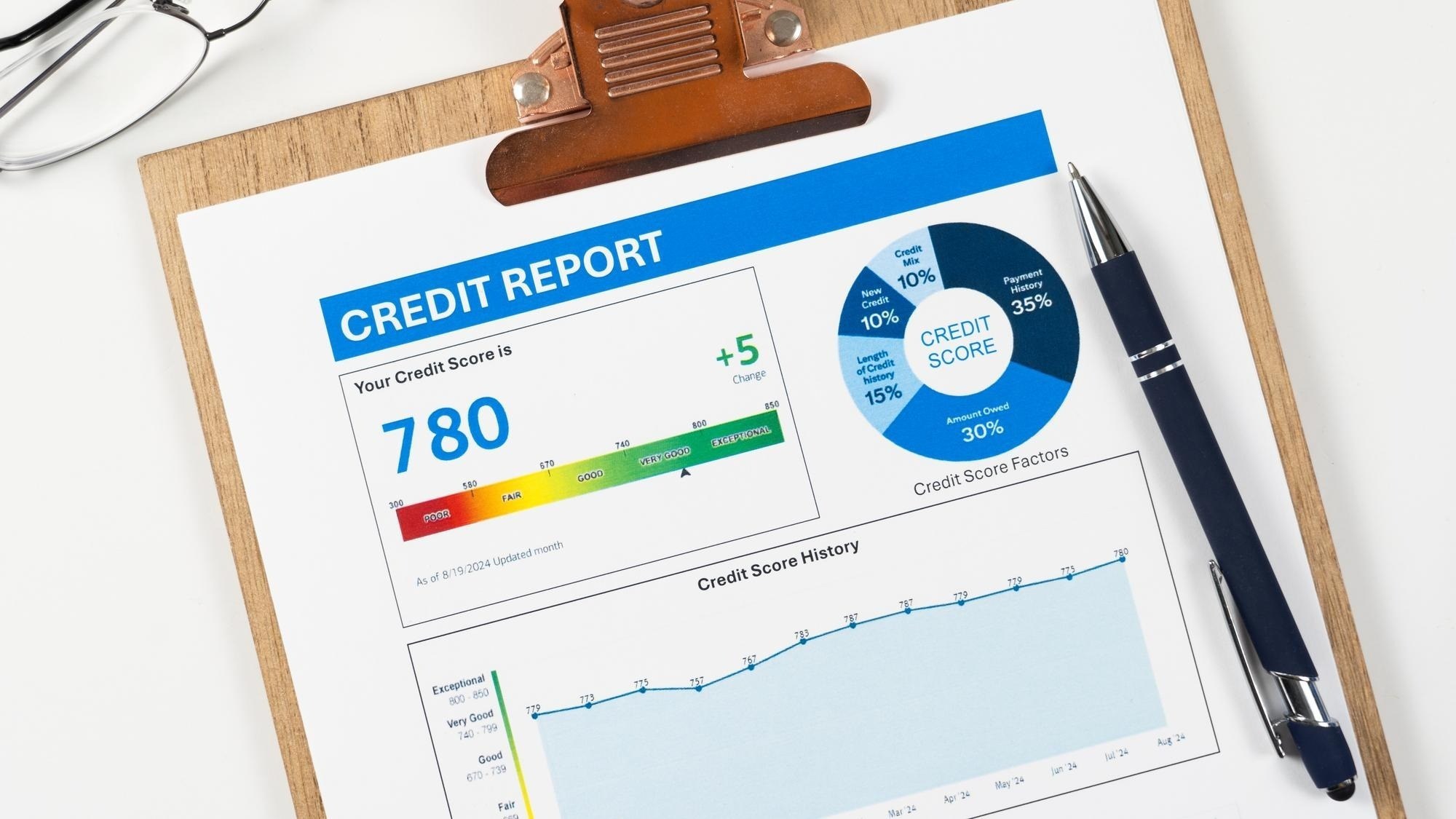
Equifax has won preliminary court approval for a $100 million settlement over claims that a coding error caused the credit bureau to send lenders artificially lowered credit scores for millions of applicants in 2022. The deal, believed to be the largest settlement in the history of the Fair Credit Reporting Act, still needs final approval before any money moves, and the roughly 4 million people covered by it cannot yet file a claim.
A Coding Error That Lowered Real Credit Scores
The case, In re: Equifax Fair Credit Reporting Act Litigation, centers on a software defect that Equifax attributed to reliance on outdated legacy systems and inadequate testing. Between March 17 and April 6, 2022, the company allegedly sent lenders credit scores that were miscalculated for people applying for mortgages, auto loans, and credit cards, with some scores understated by more than 20 points, according to the settlement announcement from DiCello Levitt, one of the firms representing the class. A lower score in that window could have meant a loan denial, a higher interest rate, or worse terms on a mortgage or car loan at the exact moment a borrower needed accurate numbers.
Free retirement updates: Social Security and Medicare change every year, and nobody sends you a memo. Our free Retirement Shield newsletter breaks down what changed and what to do. Get it free in your inbox.
Preliminary Approval, Not a Final Payout
On August 17, 2026, U.S. District Judge Leigh Martin May of the Northern District of Georgia granted preliminary approval to the settlement, a procedural step that lets the case move toward notifying the class rather than a final ruling on the money. A final fairness hearing, where the court will decide whether to grant full approval, is scheduled for January 22, 2027. Until that hearing happens, the settlement is proposed, not finished, and Equifax has denied wrongdoing as part of the deal.
How the $100 Million Fund Would Be Split
The settlement is structured as a non-reversionary fund, meaning any money left over after payouts, legal fees, and administrative costs does not revert to Equifax. Beyond that, no fixed dollar amount per claimant has been announced. According to Kiplinger’s reporting on the settlement, the eventual payout will depend on how many of the roughly 4 million class members submit valid claims once the window opens, since the fixed pool of money gets divided among everyone who files. Equifax has separately said fewer than 300,000 people saw a score shift of 25 points or more, a detail likely to matter once the claims process sorts out who received the largest distortions. The plaintiffs are represented by attorneys from four firms — Caplan Cobb, DiCello Levitt, Gibbs Mura, and Girard Sharp — who filed the motion for preliminary approval on August 12, 2026. Equifax continues to deny liability as part of the deal; a company spokesperson told the legal-news outlet Law360 that “the vast majority of scores during the three-week period of the 2022 coding issue did not change, and a large number had a positive shift,” a framing that will likely shape how the company describes the case at the January 2027 fairness hearing even as it pays into the fund.
What Affected Borrowers Should Do Before Claims Open
Nothing needs to be filed today. Claims are not yet open, and no notice, claim form, or deadline exists because the court has not granted final approval. Anyone who applied for a mortgage, auto loan, or credit card between March 17 and April 6, 2022, and was denied credit, charged a higher rate, or offered worse terms than expected may eventually be part of the class, and it is worth holding on to any paperwork from that period, including denial letters or loan offers, in case documentation becomes useful later. A free credit report and score check can also confirm what a lender would have seen at the time. The bigger near-term risk is a scam: fraudsters routinely use real settlement headlines to send fake “claim now” emails asking for a fee or banking details before an official notice exists. No legitimate claim can be filed, and no payment can be collected, until the court issues final approval and an official administrator sends instructions.
The 2017 Data Breach Settlement Is a Separate, Already-Running Case
This $100 million fund is easy to confuse with Equifax’s much larger settlement over its 2017 data breach, which exposed the personal information of 147 million people, but the two cases are entirely unrelated. The 2017 breach settlement, overseen jointly by the Federal Trade Commission, the Consumer Financial Protection Bureau, and 50 states and territories, provided up to $425 million in benefits and had its own claim deadline of January 22, 2024, according to the FTC’s Equifax Data Breach Settlement page. That deadline has already passed, but two benefits from it are still running: anyone confirmed as affected by the 2017 breach can still get free identity-restoration help through January 2029, and every U.S. consumer, breach victim or not, can claim seven free Equifax credit reports a year through annualcreditreport.com through the end of 2026. A third, smaller Equifax settlement, a $2.2 million deal over duplicate collection accounts appearing on credit files in 2022, is also open separately and has nothing to do with the credit-score miscalculation case. None of the three settlements requires a fee to file a claim, and none of them share a single claims website.
This article was produced with the assistance of AI and reviewed by The Financial Wire editorial team.
More Financial Reading
- What really happens to your joint savings account when you die?
- Bank statements: how long to keep them and when to toss them