The Direct Express debit card that carries federal benefit payments for people without bank accounts now has a new issuer on paper. Treasury’s program page, updated September 1, 2026, names Fifth Third Bank as the issuer of the card, while the Social Security Administration has told current Comerica cardholders to keep using what they already hold until it expires. Cardholders also now face two separate support phone numbers, depending on the first digits printed on the card.
Treasury’s Direct Express page names Fifth Third Bank as issuer
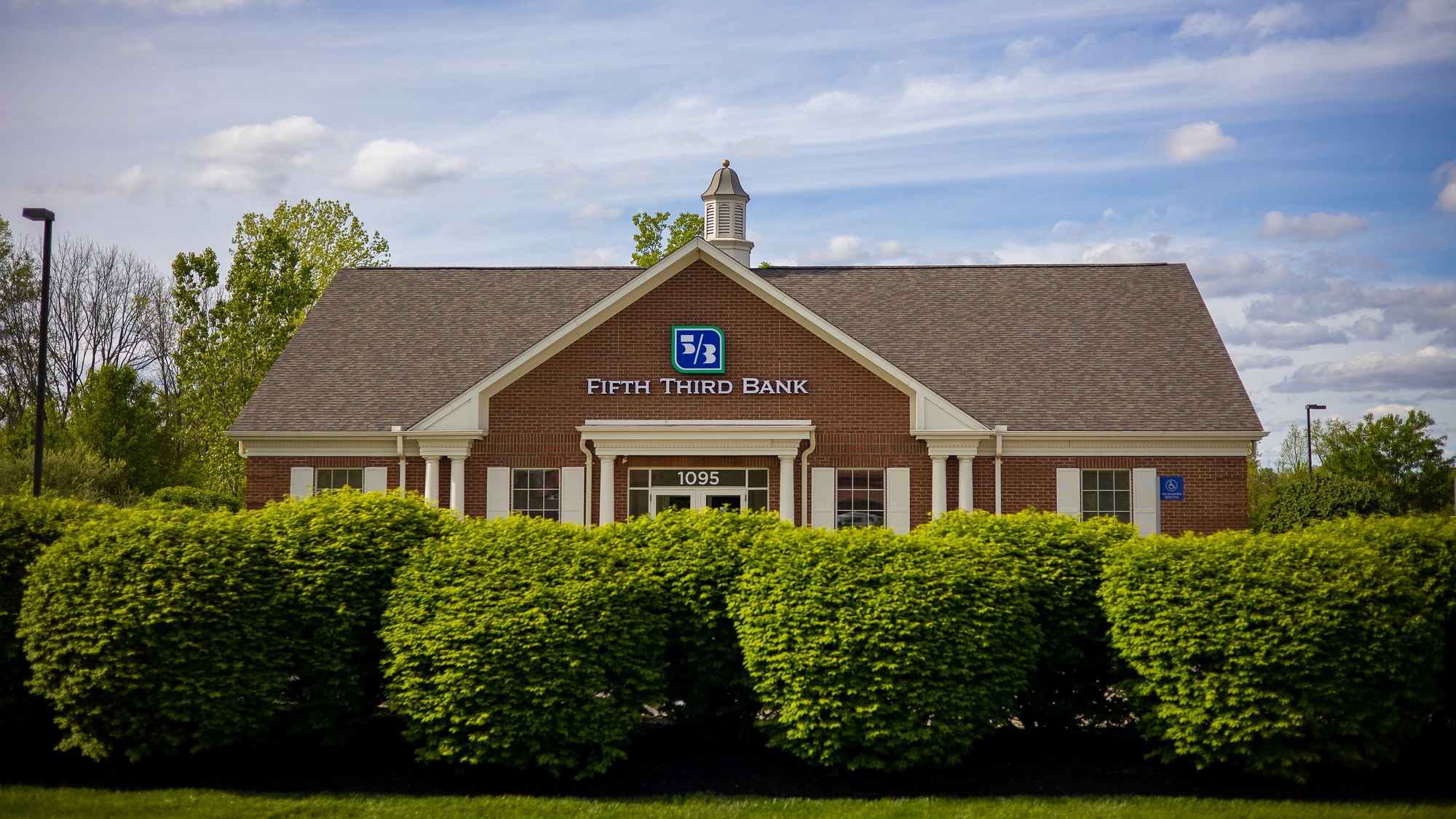
The Bureau of the Fiscal Service’s Direct Express program page states the point in one sentence: “The Fifth Third Bank issues the DirectExpress Debit Mastercard under a license from Mastercard International Incorporated.” The page carries a September 1, 2026 update date and was re-read on October 3, 2026, with the sentence unchanged.
The change did not arrive quietly at the agency that pays most of these benefits. An SSA emergency message dated to the switch says new enrollments to Fifth Third began May 18, 2026, and describes Fifth Third as having purchased and merged with Comerica Bank. Comerica was the bank behind the existing cards, so the issuer change follows an acquisition rather than a new card program starting from scratch.
SSA says Comerica cards keep working until they expire
For people already holding a card, the Social Security Administration’s May 18, 2026 notice to advocates is the operative instruction: “current Comerica cardholders should continue using their cards until expiration.” The same notice says existing accounts will move over “later this year or early next year,” which leaves the timing of that second step open as of this week.
Neither the SSA notice nor the Treasury page gives a calendar date on which Comerica-branded cards stop working. The instruction is tied to each card’s own printed expiration date, so the effective cutoff differs from one cardholder to the next. Nothing in the sources reviewed says a benefit payment is delayed or interrupted by the issuer change.
The practical reading is that nothing needs to be surrendered or swapped on a deadline. A Comerica card that still works is the card SSA says to keep using, and the notice contains no instruction to request a new one in advance. The same notice dates the start of Fifth Third enrollments, so new applicants and existing cardholders are on different tracks at the moment.
Two support lines, split by the first digits on the card
Treasury’s page lists two cardholder support numbers. Cards beginning 5332 are directed to 1-888-741-1115, and cards beginning 5141 are directed to 1-833-347-9777. The page does not say which prefix belongs to the legacy Comerica cards and which to the new Fifth Third cards, so the digits printed on the card are the only reliable guide to which line applies.
A second Treasury page, the Direct Express enrollment site, repeats the same issuer language. It describes the card as carrying no monthly fees and no overdraft fees, and as including one free ATM withdrawal with each deposit to the card account. The Treasury program page also states that the Federal Deposit Insurance Corporation insures the account up to the legal maximum.
Direct Express fee schedule: $0.85 ATM withdrawals and $4 replacements
Charges beyond the free withdrawal are set out in the program’s live terms and fees table, which governs legacy cards. An ATM cash withdrawal in the United States costs $0.85 each time once the free withdrawal is used. A card replacement costs $4.00 after one free replacement each year, and a transfer of funds to a personal U.S. bank account costs $1.50 each time.
The replacement fee matters because the transition is expected to produce new cards. The sources reviewed do not say whether a replacement issued because of the move to Fifth Third counts against the one free replacement each year, and that question is left to the issuer’s own terms.
What Treasury’s own record leaves out about the switch
The paper trail is thin on the Treasury side. The Fiscal Service news index carries no 2026 Direct Express item at all, so the issuer change appears on the program pages and in SSA notices but not in a Treasury announcement. That sits awkwardly beside the agency’s November 21, 2024 release, which named The Bank of New York Mellon as the financial agent for the Direct Express program. Every current page reviewed names Fifth Third as the issuer, and none of them explains how the 2024 selection relates to the present arrangement.
That leaves a cardholder with a Comerica card dealing with an issuer name on Treasury’s page that differs from the name on the card itself, and the explanation sits in program pages and advocate notices rather than a Treasury announcement.
For cardholders, the verifiable position is narrow but clear. Treasury’s September 1, 2026 page identifies Fifth Third Bank as the issuer, and SSA’s May 18, 2026 notice says Comerica cards remain usable through their printed expiration dates. The remaining unknowns, including the date of the account transition and the treatment of replacement fees, rest with the Bureau of the Fiscal Service and the issuer to publish.
Keeping Social Security deposits on track through a card change
Benefit recipients paid on a Direct Express card are being told to keep a Comerica card until it expires, with no published cutoff date and two support lines to sort out, which leaves the practical work of tracking deposits and knowing what to do if one is late.
The Social Security Check Protection Kit includes the 2026 payment calendar and a first-24-hours plan for a late or missing payment, so a cardholder can mark expected deposit dates and follow set steps if one does not arrive.
Open the 2026 payment calendar and late-deposit plan for card-paid benefits →
This article was produced with AI assistance and checked against the primary sources linked above.