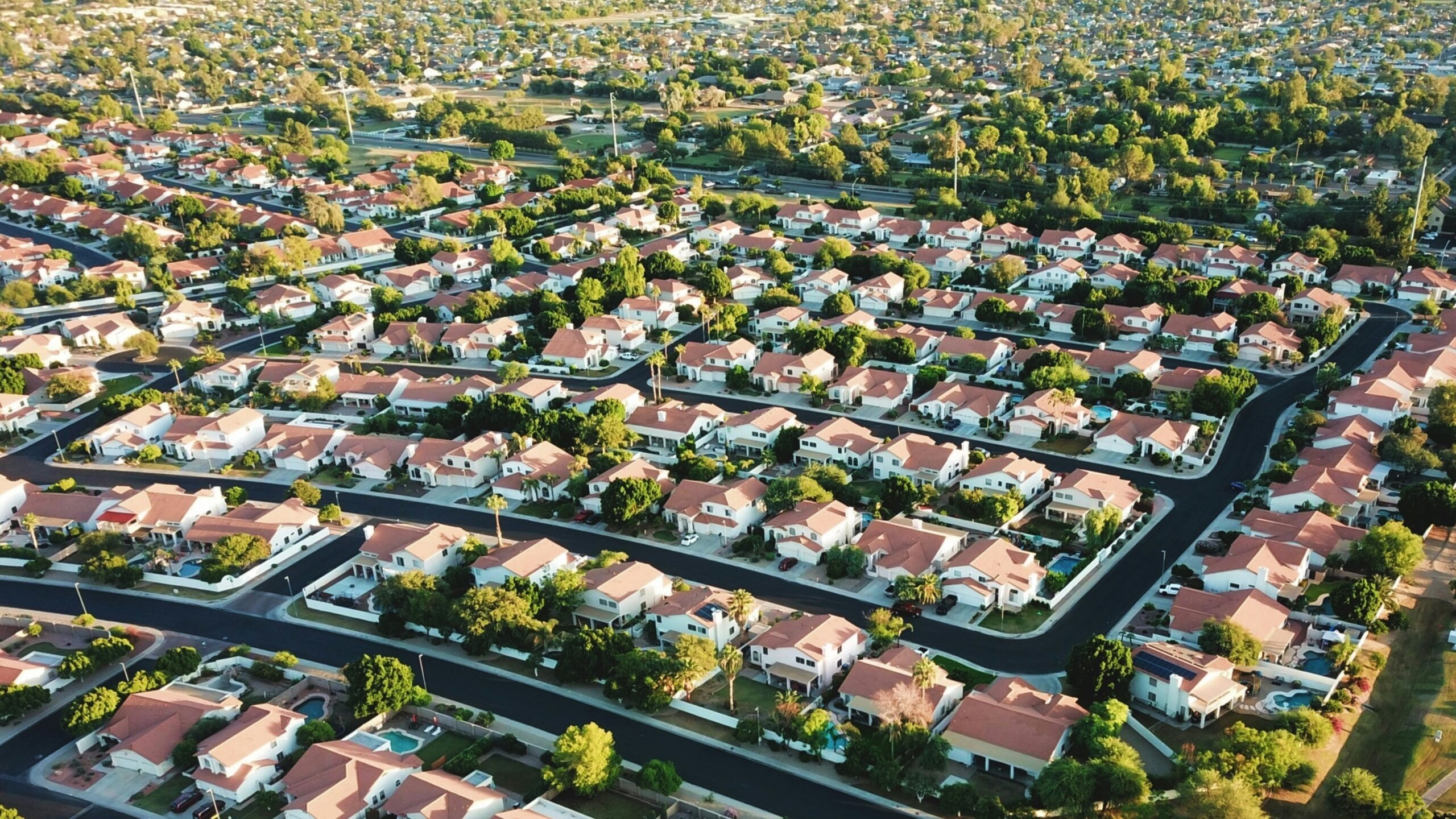
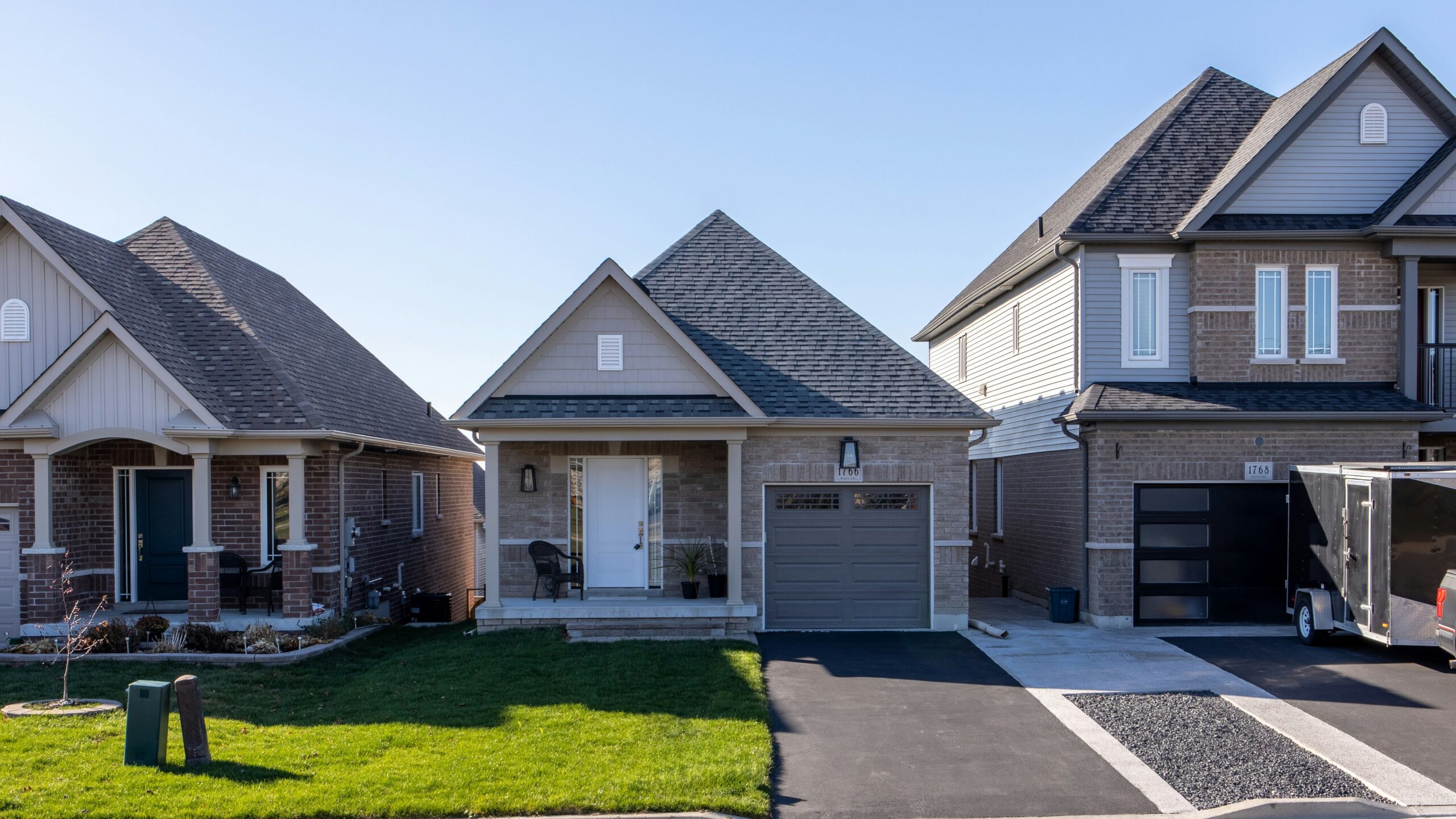
A generation ago, roughly one in three home sales went to someone buying for the first time. That ratio has collapsed. First-time buyers now represent just 24% of all home purchases, the lowest share the National Association of Realtors has ever recorded in its annual Profile of Home Buyers and Sellers, as reported by the Associated Press.
The math working against them is punishing. As of its most recent weekly reading, the 30-year fixed mortgage rate registered 6.58%, according to Freddie Mac’s Primary Mortgage Market Survey. The median existing-home sale price, which NAR pegged at a then-record $426,900 in its June 2024 sales report, has not retreated in any sustained way since. NAR’s buyer profile survey, which captures a broader and slightly different sample than its monthly transaction data, placed the typical purchase price at $417,800. Either figure tells the same story: the entry-level price tag has moved beyond what most first-time buyers can finance.
Fewer sales, higher prices, and a buyer pool that keeps getting older
NAR’s June 2024 report showed sales volume falling 5.4% from the prior month even as the median price set a record. That combination of fewer transactions at higher prices has defined the market through mid-2026. The buyers still closing deals skew older, wealthier, and far more likely to be purchasing a second or third property. Many are paying cash. Repeat buyers and investors can absorb a 6%-plus rate or sidestep financing entirely. A 28-year-old with $30,000 saved and $40,000 in student debt cannot.
Consider what the numbers look like at the kitchen table. A buyer putting 10% down on a $417,800 home at 6.58% faces a principal-and-interest payment of roughly $2,400 a month, before property taxes, homeowners insurance, and, for FHA borrowers, mandatory mortgage insurance. That payment alone would consume more than 30% of gross income for a household earning the U.S. median of about $80,000, crossing the threshold lenders and housing counselors use to define “cost-burdened.”
Why the usual relief valves are stuck
In previous downturns, falling sales volume eventually pulled prices lower. That correction has not arrived, and the main reason is inventory. The supply of existing homes for sale remains far below historical norms, a hangover from the pandemic-era buying frenzy that stripped listings nationwide. Homeowners sitting on mortgages at 3% or lower have little reason to sell and re-enter the market at today’s rates. Economists call this the “lock-in effect,” and it has kept millions of homes off the market that would otherwise turn over in a normal cycle.
New construction has helped in pockets of the Sun Belt, but single-family housing starts still fall short of what is needed. Freddie Mac estimated in 2021 that the U.S. faced a housing deficit of roughly 3.8 million units, and most analysts say the gap has not meaningfully closed since. Until inventory loosens, the price floor stays high.
Rate relief has been equally elusive. The Federal Reserve held its benchmark rate steady through much of 2024 and into 2025. While some forecasters projected modest cuts, the 30-year fixed mortgage rate has remained in a range that keeps monthly payments on a median-priced home out of reach for many renters in their late 20s and early 30s, precisely the demographic that historically fueled first-time purchases.
A demographic shift hiding inside the data
Within the shrinking first-time buyer cohort, NAR’s survey surfaced a notable pattern: single Gen Z women are buying homes at higher rates than single Gen Z men, according to the AP’s reporting of the findings. The survey does not fully explain why, but the gap likely reflects differences in savings behavior, debt composition, and the types of properties young women are targeting, potentially smaller homes or condos in more affordable markets. It is a reminder that “first-time buyer” is not a monolith; affordability barriers filter different groups in different ways.
What the 24% figure actually measures
A note on methodology matters here. The 24% share comes from NAR’s annual buyer-and-seller survey, which collects self-reported data from recent purchasers. Its sample and margin of error differ from the transaction-level data in NAR’s monthly sales releases. That does not make the figure unreliable, but it is best understood as a well-sourced estimate, not a precise census of every closed deal.
What it confirms is a trend that has been building for years. First-time buyers made up 32% of purchases as recently as 2019. The historical average hovered between 33% and 35% for decades. A drop to 24% is not a one-year anomaly. It is the result of compounding pressure: student loan balances that delay savings, rent increases that consume would-be down payments, and a housing market where home prices have outrun wage growth for most of the past decade.
Where FHA loans and regional markets still offer a way in
The national picture is grim, but housing is local. Several metros across the Midwest and parts of the Southeast still have median prices well below the national figure. State-level first-time buyer programs offering down payment assistance or below-market interest rates remain available in most states, though awareness of these programs is uneven. FHA loans, which allow down payments as low as 3.5%, continue to serve as the primary entry point for buyers without large savings, even as FHA mortgage insurance premiums add meaningfully to monthly costs.
For a buyer targeting a $250,000 home in a lower-cost metro, the monthly math changes substantially: a 10%-down payment at 6.58% produces a principal-and-interest payment closer to $1,440, a figure that fits within standard lending guidelines for a household earning $60,000. That gap between national medians and regional reality is where the remaining opportunity sits. The 24% figure could rebound if inventory loosens or rates fall, but buyers who are not waiting for national conditions to shift are finding that affordability still exists in specific markets, for those willing to look beyond the coasts.