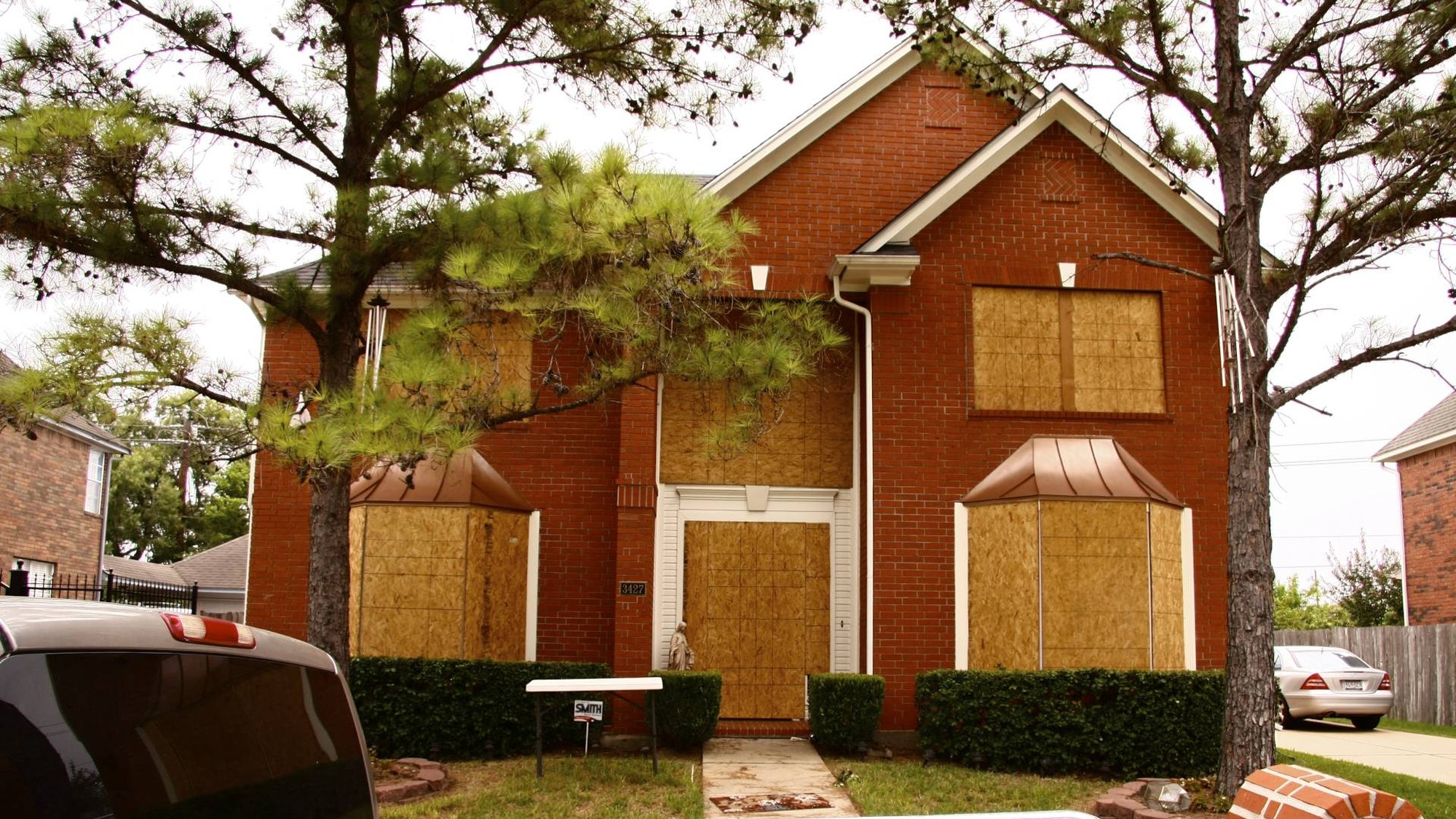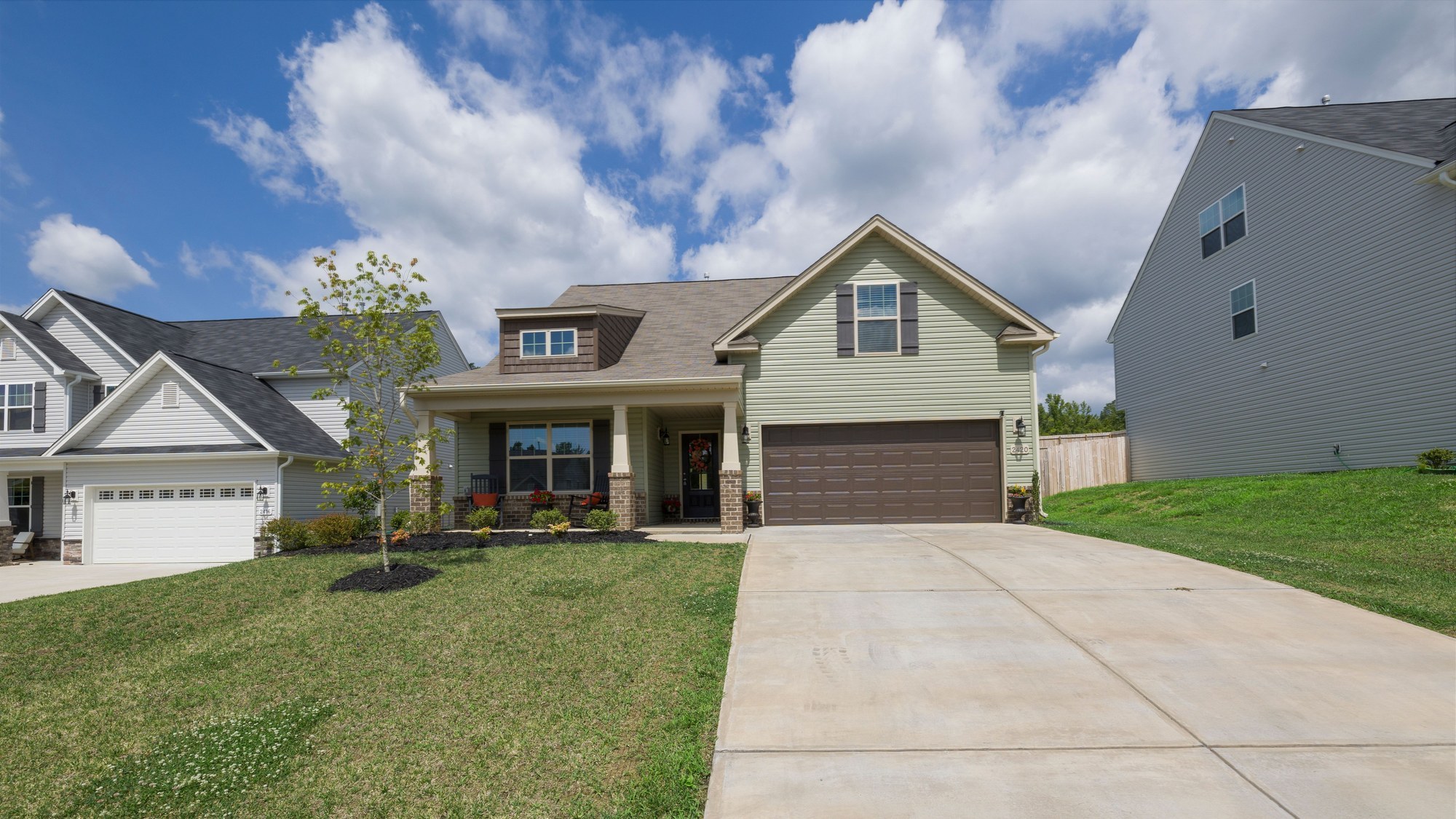
Renewing a homeowners insurance policy in 2026 will cost more for most Americans. How much more depends almost entirely on where the house sits.
Nationwide, annual premiums are projected to rise between 3% and 8% this year, according to state-level modeling published by Insurify, an insurance-comparison platform that bases its forecasts on recent carrier filings, replacement-cost trends, and historical loss data. That range translates to roughly $50 to $150 more per year on a typical $1,800 policy, though homeowners in wildfire corridors, hurricane zones, and hail-prone stretches of the Great Plains could see increases well beyond that band.
The notable exception: Florida, where years of market turmoil are finally giving way to early signs of stabilization. After a stretch that saw carriers go insolvent, flee the state, and impose double-digit rate hikes, a combination of tort reform and returning private capital is easing pressure on property insurance pricing for the first time in nearly a decade.
The result is a two-track reality heading into renewal season. Most households should budget for a moderate increase. Many Florida policyholders may see their bills hold steady or even dip.
The forces pushing premiums higher
The most comprehensive federal look at recent premium trends comes from the U.S. Government Accountability Office. In report GAO-26-107867, published in early 2026, the nonpartisan watchdog examined inflation-adjusted homeowners insurance costs from 2019 through 2024. Its central finding: nationally, premiums grew at roughly the same pace as overall consumer inflation, with one glaring exception. In ZIP codes with elevated wildfire exposure, premium increases significantly outpaced the baseline.
That gap is not closing. Two homes with identical square footage and replacement value can carry very different premiums simply because one falls inside a modeled wildfire footprint and the other does not. The GAO’s detailed data tables show the divergence accelerating as insurers reprice disaster exposure more aggressively than they pass along routine cost increases.
Beyond wildfire, three other cost drivers are keeping upward pressure on rates:
- Construction costs. The Federal Reserve’s Producer Price Index for construction inputs remains above pre-pandemic levels, even though some individual materials have retreated from their 2022 peaks. Because insurers peg coverage amounts to replacement-cost estimates, elevated building costs feed directly into premiums.
- Severe convective storms. Hail, tornadoes, and straight-line wind events across Texas and the Midwest generated tens of billions of dollars in insured losses over the past three years, according to the Insurance Information Institute. These “secondary perils” now rival hurricanes as a driver of annual industry losses.
- Reinsurance pricing. The cost of reinsurance, the coverage that insurers themselves buy against catastrophic losses, spiked sharply in 2023 and 2024. Prices have softened somewhat heading into 2026, but they remain well above historical norms, and carriers pass a portion of that cost through to policyholders.
For homeowners in California, the picture carries an additional layer of complexity. The state’s FAIR Plan, the insurer of last resort, has seen its policy count surge as private carriers have pulled back from fire-prone areas. California Insurance Commissioner Ricardo Lara has pushed a Sustainable Insurance Strategy aimed at luring private insurers back by allowing them to use forward-looking catastrophe models in rate-setting, but the effects are still unfolding. Louisiana has experienced similar market exits after repeated hurricane losses. In both states, individual premiums can land far above the national 3% to 8% range.
Florida’s fragile turnaround
Florida’s property insurance market spent the better part of a decade in crisis. Rampant assignment-of-benefits abuse, one-way attorney fee provisions that incentivized litigation, and repeated hurricane losses drove carriers into insolvency or out of the state entirely. Premiums for many Florida homeowners doubled or tripled.
A series of legislative reforms passed in 2022 and 2023 targeted the root causes. Lawmakers eliminated one-way attorney fees in property insurance disputes, restricted assignment-of-benefits practices, and tightened claims-filing deadlines. The goal was to reduce the litigation costs that had made Florida uniquely expensive to insure.
Direct, publicly confirmed homeowners rate reductions across the private market for 2026 have not yet appeared in regulatory filings available as of spring 2026. But several adjacent indicators point in a promising direction:
- On November 17, 2025, Florida Insurance Commissioner Mike Yaworsky approved a 6.9% rate decrease for workers’ compensation policies, the ninth consecutive annual decline. While workers’ comp is a separate line of insurance, the sustained downward trend reflects a broader reduction in litigation friction across Florida’s insurance system.
- Citizens Property Insurance Corp., the state-backed insurer of last resort, has reported a shrinking policy count as private carriers absorb more risk. At its peak, Citizens held over 1.4 million policies; depopulation efforts have brought that number down significantly, a sign that private capital is returning.
- Reinsurance capacity for Florida risk has grown, according to state officials, which reduces the cost pressure that carriers would otherwise pass to policyholders.
The relief is real but fragile. A single major hurricane making landfall in South Florida could reverse the trend overnight by triggering a wave of new claims, straining reinsurance, and prompting carriers to file for emergency rate increases. The 2025 Atlantic hurricane season was relatively quiet for the state, which helped. Whether 2026 cooperates remains an open question.
What the projections do and do not tell you
It is worth being precise about what the 3% to 8% range represents. Insurify is a commercial insurance-comparison platform, not a government regulator or rating bureau. Its projections are built on carrier filing data, input-cost trends, and state-level loss histories. No primary federal agency has published an official 2026 homeowners insurance premium forecast.
The GAO report’s data window ends at 2024. Extending its conclusions into 2026 requires assuming the same relationship between disaster risk and premium growth will hold, and a bad wildfire season, an active hurricane year, or a major update to catastrophe models could shift that relationship quickly.
For Florida, the tort reforms are still working through the system. Their full effect on homeowners claim costs may take another year or two to appear in approved rate filings. Homeowners in the state should watch their individual renewal notices rather than assume blanket relief.
One area this analysis does not cover in depth: flood insurance. The Federal Emergency Management Agency’s National Flood Insurance Program has been rolling out Risk Rating 2.0, a property-level pricing methodology that has already produced significant premium swings for coastal and riverine homeowners. Those changes operate on a separate track from the private homeowners insurance market but hit the same household budget.
Steps to take before your next renewal
Regardless of where you live, the single most useful step before renewal is requesting your CLUE (Comprehensive Loss Underwriting Exchange) report from LexisNexis, available at no charge once every 12 months. This document lists your claims history as insurers see it. Errors, such as a claim attributed to your address that actually belongs to a previous owner, can inflate your premium or limit your carrier options. Correcting mistakes before you shop gives you cleaner data to work with.
Next, document any property improvements that reduce risk. A new roof, impact-resistant windows, fire-resistant landscaping, or a monitored alarm system can qualify for premium credits with many carriers. In wildfire zones, clearing defensible space, replacing combustible roofing, and enclosing eaves are steps that can materially change how an underwriter scores a property. In hurricane states, fortified roof-to-wall connections and reinforced openings carry similar weight.
Shopping around remains one of the most effective tools, even in a rising market. Carriers differ in how they model risk, apply catastrophe surcharges, and weight credit-based insurance scores. Collecting at least three quotes using identical coverage limits and deductibles can reveal meaningful price differences. But compare more than price: pay close attention to exclusions and sublimits for wind, hail, water backup, and wildfire. A slightly cheaper policy with a 5% hurricane deductible instead of a flat dollar amount could cost thousands more when a claim hits.
The widening gap between low-risk and high-risk addresses
Beneath the 2026 numbers is a structural shift that will outlast any single renewal cycle. Insurers are investing heavily in catastrophe modeling, using higher-resolution wildfire spread simulations, updated flood maps, and convective storm data that did not exist a decade ago. The result is sharper risk differentiation at the individual property level. Carriers can now price based on proximity to fuel loads, slope, roof material, and even the width of nearby roads that might serve as firebreaks.
That precision benefits homeowners in low-risk areas, whose premiums stay closer to general inflation. But it concentrates cost increases on properties in hazard zones, sometimes dramatically. Over time, this dynamic raises hard questions about affordability and availability that regulators, federal disaster policy, and the private market are all struggling to answer.
For most homeowners heading into the second half of 2026, the practical math is straightforward: budget for a modest increase, shop aggressively, and make sure your property’s risk profile is as accurate and favorable as possible. For Floridians, the math looks better than it has in years, but that window depends on a hurricane season no one can predict and a set of legal reforms still proving themselves in practice.