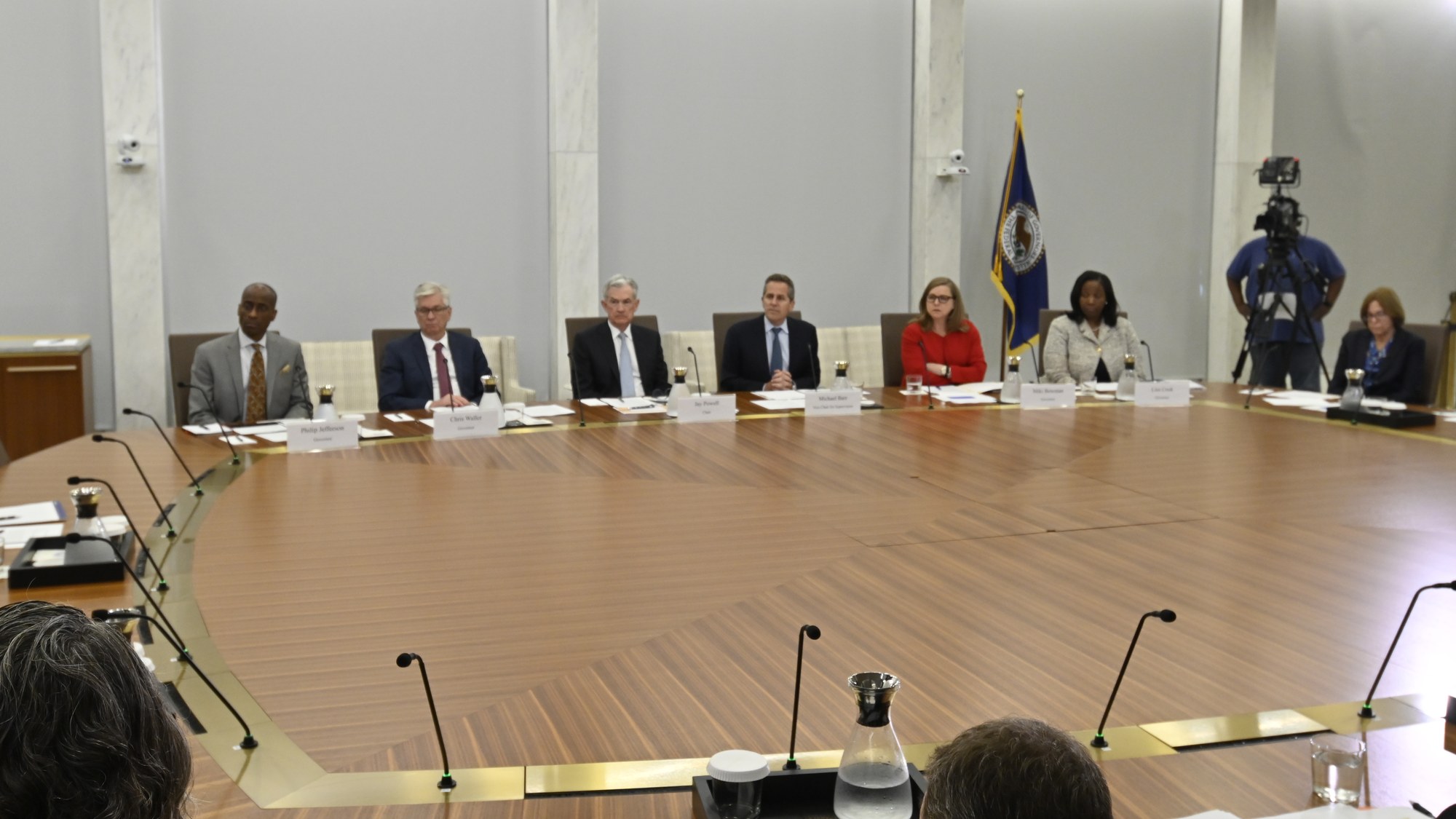
A routine blood draw at an independent doctor’s office might cost a Medicare patient $20 in copays. The same blood draw, performed by the same type of technician in a clinic recently acquired by a hospital system, can run two to three times that amount, thanks to an added “facility fee” that the patient never agreed to and may not understand until the bill arrives. On April 28, 2026, four CEOs who run some of the largest hospital chains in the country were called before the House Ways and Means Committee to explain why those fees exist and whether they can be justified.
Chairman Jason Smith (R-Mo.) set the tone immediately. In his opening statement, he told the executives that the prices their systems charge patients amount to “borderline extortion.” He described cases in which patients saw their out-of-pocket costs spike after a local practice was absorbed by a hospital network and reclassified as a hospital outpatient department. The clinician, the building, and the equipment stayed exactly the same. Only the bill changed.
Who testified and what they argued
The witness table included Sam Hazen, CEO of HCA Healthcare; Wright Lassiter III, CEO of CommonSpirit Health; Dr. Brian Donley, CEO of NewYork-Presbyterian; and Dr. Michael Waldrum, CEO of ECU Health. Brad Woodhouse, president of the advocacy group Protect Our Care, testified alongside them as a voice for patients and consumers. Each submitted written testimony to the committee.
The hospital executives argued that facility fees are not arbitrary markups. They fund round-the-clock emergency departments, trauma centers, charity care for uninsured patients, and the regulatory infrastructure that federal and state governments require hospitals to maintain. Several warned that eliminating the fees through so-called site-neutral payment reform could force cuts to services that lose money but that communities depend on, particularly in rural and low-income areas. Hospital systems, they said, cross-subsidize underpaid Medicaid services and uncompensated care with revenue from commercially insured outpatient visits.
Woodhouse offered a sharply different framing. Representing a consumer advocacy organization, he argued that facility fees shift costs onto patients who have no meaningful ability to shop around or negotiate, and that the fees have grown alongside hospital consolidation rather than alongside improvements in care quality.
Lawmakers from both parties were skeptical of the hospital leaders’ defense. They pressed the CEOs on how much facility fee revenue actually reaches emergency preparedness versus how much supports administrative overhead, executive compensation packages, and expansion into new markets. Several members zeroed in on off-campus clinics that bill facility fees despite housing no emergency department and no advanced surgical equipment, arguing that the justification for higher payments collapses in those settings. Because full verbatim transcripts of the hearing have not yet been published as of early May 2026, the specific exchanges between members and witnesses during oral questioning are not available for direct quotation beyond Smith’s opening remarks.
The billing gap driving the debate
Under current Medicare rules, a hospital outpatient department can bill both a professional fee and a separate facility fee for a service. An independent physician’s office performing the identical procedure bills only the professional fee. Because patient copays and coinsurance are calculated as a percentage of the total allowed charge, the gap hits patients directly in the wallet.
The Congressional Budget Office has estimated that equalizing payments between hospital outpatient departments and physician offices for certain services could save the federal government more than $150 billion over a decade, according to its scoring of site-neutral provisions considered during the 118th Congress. The Medicare Payment Advisory Commission (MedPAC), which advises Congress on payment policy, has recommended site-neutral payments in multiple annual reports, most recently in its March 2024 Report to Congress, arguing that paying different rates for clinically identical services in similar settings is inefficient and unfair to beneficiaries.
Consolidation amplifies the problem. When a hospital system acquires an independent practice and reclassifies it as a hospital outpatient site, the practice can begin billing facility fees that were previously unavailable. Critics, including MedPAC and independent health economists, say this creates a powerful financial incentive to buy up physician groups, relabel them as hospital departments, and use the higher reimbursement to strengthen market dominance. Hospital leaders counter that acquisitions often rescue struggling practices and preserve access for patients who would otherwise lose their doctor.
The American Hospital Association, the industry’s primary lobbying arm, has consistently opposed site-neutral proposals. The AHA argues that hospital outpatient departments face regulatory, staffing, and safety requirements that independent offices do not, and that flattening payments would ignore those real cost differences. The group has warned that site-neutral cuts could trigger closures, particularly among rural and safety-net hospitals operating on thin margins.
Where legislation stands
Site-neutral payment bills have gained traction in recent congressional sessions. The Lower Costs, More Transparency Act passed the House Energy and Commerce Committee in December 2023 with bipartisan support, and the SITE Act has been reintroduced in subsequent sessions. Neither has reached a full floor vote, in part because hospital lobbying groups have mounted aggressive campaigns warning of service cuts and job losses.
The Ways and Means Committee holds jurisdiction over Medicare payment policy, making the April 28 hearing more than political theater. Chairman Smith’s confrontational tone suggests the committee is laying groundwork for a scored legislative proposal. But turning a combative hearing into law requires agreement on carve-outs for rural hospitals, teaching institutions, and safety-net facilities that serve disproportionate shares of Medicaid and uninsured patients. It also requires coordination with the Senate Finance Committee and other House panels that share health-program oversight.
Democratic members have signaled support for addressing unjustified price disparities while insisting on protections for underserved communities. The committee’s Democratic caucus has previously backed transparency measures and targeted payment adjustments, though the scope of reform they would accept remains an open question heading into markup season.
What the hearing record still owes the public
The written submissions offer a primary record of how hospital leaders framed their defense, but without published transcripts, the public cannot yet verify how executives responded under direct questioning about specific pricing examples or patient stories raised by members. Whether the committee releases supporting data, such as facility fee comparisons or internal financial analyses submitted by the hospital systems, will shape how observers evaluate the competing claims.
For patients, the practical takeaway is immediate: anyone scheduled for outpatient care at a clinic affiliated with a hospital system should ask before the visit whether a facility fee will appear on the bill. That single question can reveal hundreds of dollars in charges that would not apply at an independent office down the street.
The broader fight now moves from the hearing room to the drafting table. MedPAC recommendations are on the record. CBO savings estimates are in hand. Bipartisan frustration was on full display under the hearing room lights. The political ingredients for site-neutral reform have not been this concentrated in years. Whether Congress acts on them, or whether hospital lobbying once again runs out the legislative clock, will determine how long patients keep paying a premium for a label on a building rather than a difference in care.