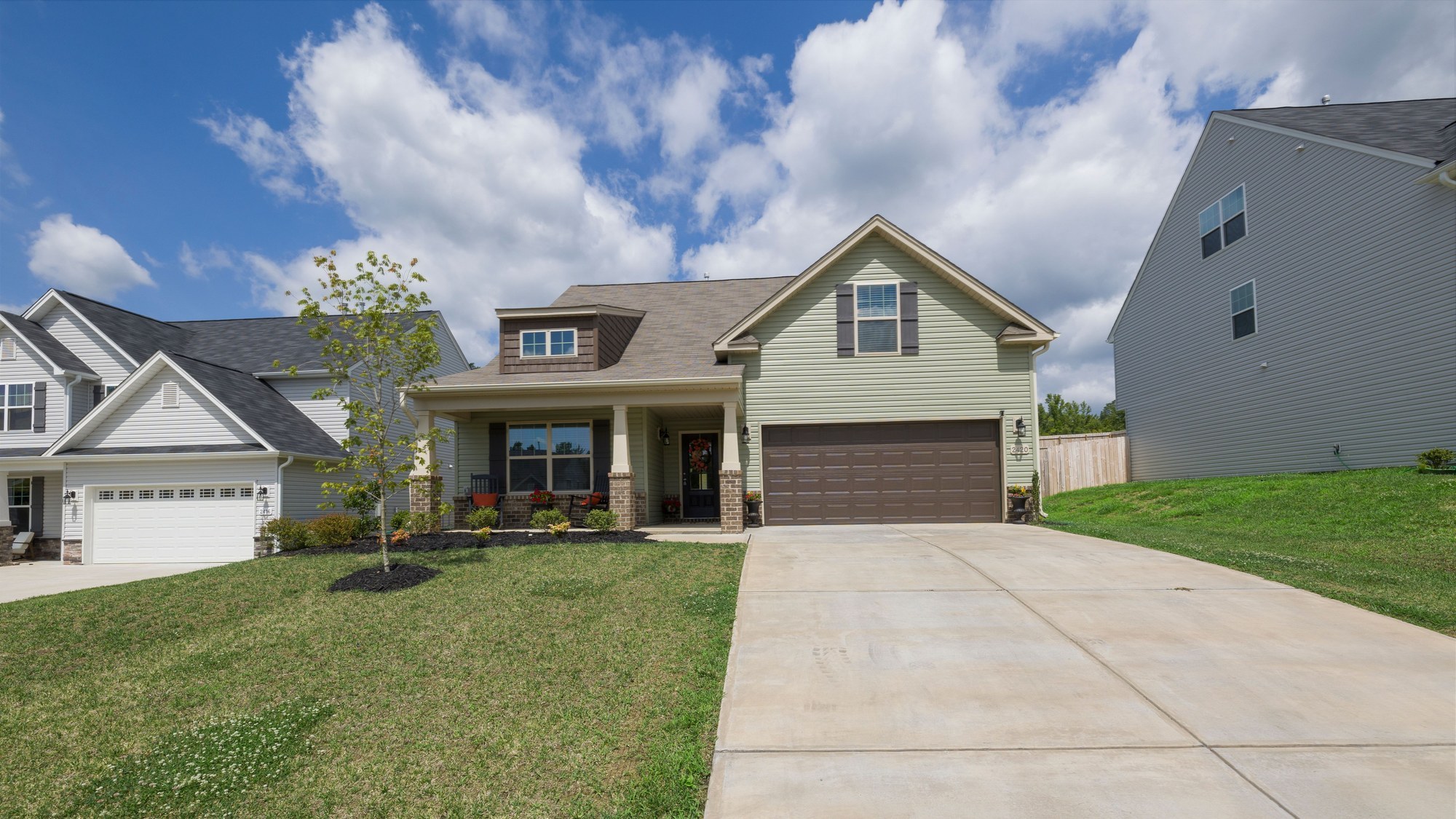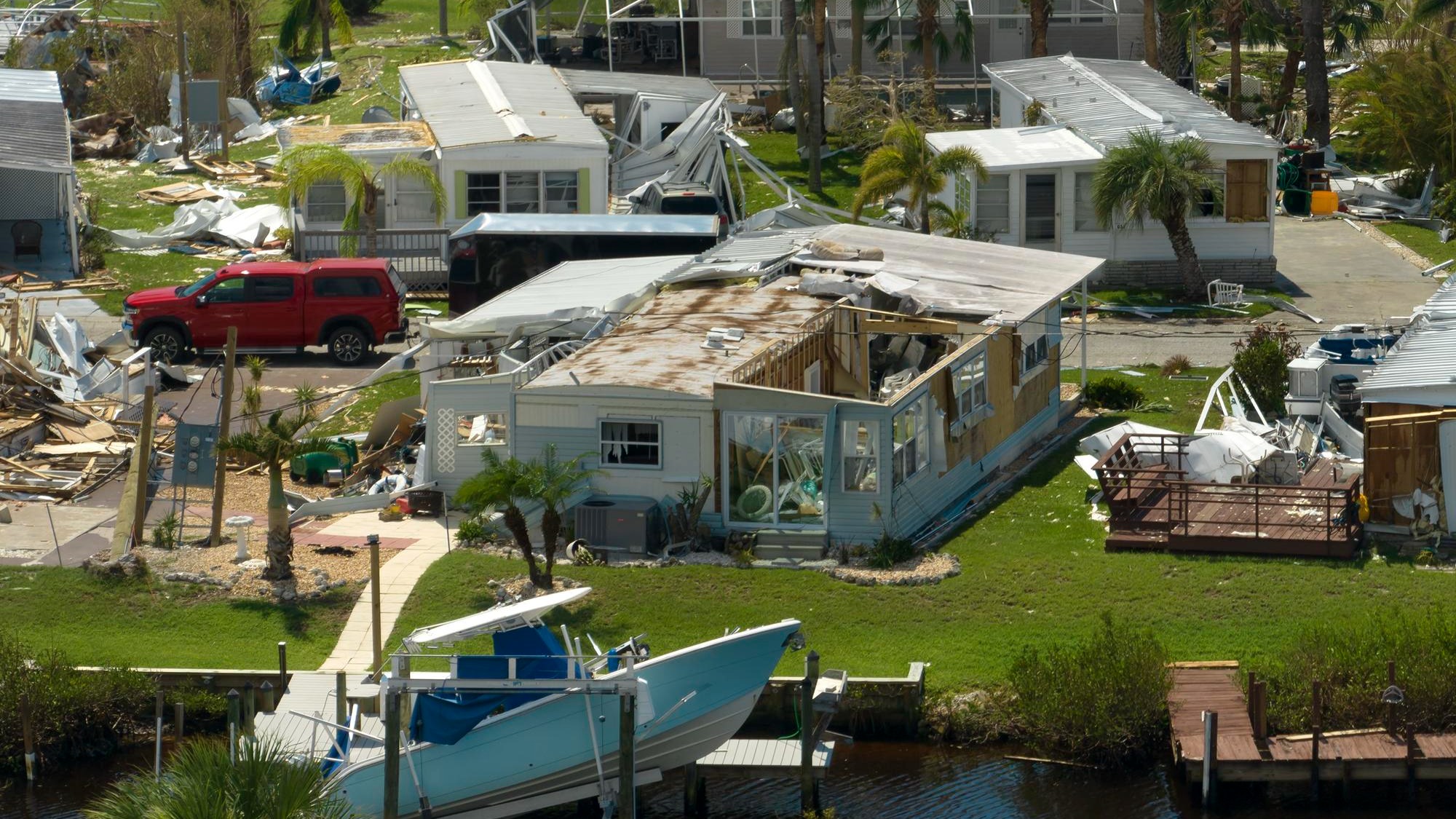
Atlantic hurricane season officially opens on June 1, 2026. For a coastal homeowner whose dwelling is insured at $400,000 with a 5% wind deductible, that date carries a specific price tag: $20,000 out of pocket before the insurance company writes a check. Not $500. Not $1,000. Twenty thousand dollars, due at the worst possible moment, when a named storm has just torn through the neighborhood and every roofer within 200 miles is booked solid.
Millions of homeowners along the Gulf Coast and Atlantic seaboard carry percentage-based wind deductibles, and many have never done the multiplication. The result is a financial blind spot that can turn a survivable storm into a household crisis.
How percentage wind deductibles actually work
Most homeowners are familiar with flat deductibles: pay $1,000 or $2,500 out of pocket, and the insurer covers the rest up to policy limits. Wind and named-storm deductibles operate differently. Instead of a fixed dollar amount, the deductible is calculated as a percentage of Coverage A, the dwelling replacement value listed on your declarations page.
The North Carolina Department of Insurance spells it out with simple examples: a 2% wind deductible on a $300,000 home means $6,000 out of pocket; 1% on a $200,000 home means $2,000. Scale that to 5% on a $400,000 dwelling and the threshold hits $20,000. The Texas Department of Insurance adds another wrinkle: policies may carry a separate windstorm deductible, a named-storm deductible, or a tropical-cyclone deductible layered on top of the standard all-perils deductible. A kitchen fire might trigger a $1,000 deductible on the same policy where a hurricane triggers a $20,000 one.
Here is what that looks like across a range of home values:
| Dwelling value | 1% wind deductible | 2% wind deductible | 5% wind deductible |
|---|---|---|---|
| $200,000 | $2,000 | $4,000 | $10,000 |
| $300,000 | $3,000 | $6,000 | $15,000 |
| $400,000 | $4,000 | $8,000 | $20,000 |
| $500,000 | $5,000 | $10,000 | $25,000 |
One detail that catches people off guard: percentage wind deductibles typically apply per occurrence, not per season. Two separate hurricanes in the same year can each trigger the full deductible independently.
These percentage deductibles became standard in coastal markets after insurers absorbed massive losses during the record-setting 2004 and 2005 Atlantic hurricane seasons, when Hurricanes Charley, Ivan, Katrina, and Wilma drove tens of billions of dollars in insured losses. The Insurance Information Institute has documented how the shift accelerated in the aftermath: by moving more of the upfront catastrophe cost to policyholders, carriers could continue writing wind coverage in high-risk zip codes without exiting the market entirely. The trade-off was lower premiums in exchange for dramatically higher out-of-pocket exposure when a storm actually hits.
Why the exposure stretches far beyond the beach
Percentage wind deductibles are not just an oceanfront problem. According to NOAA’s National Ocean Service, a single hurricane can span hundreds of miles and push destructive winds, torrential rain, and storm surge deep inland. Homes 50 or 100 miles from the coast routinely sustain wind damage from landfalling storms. When Hurricane Ian struck southwest Florida in September 2022, wind damage extended well into central Florida, and homeowners across dozens of inland counties filed claims that triggered their percentage deductibles.
The National Hurricane Center’s climatology data confirms the official season runs June 1 through November 30, though tropical cyclones can form outside those dates. The NHC’s forecast portal will begin issuing regular tropical weather outlooks as the season opens. When a large storm makes landfall, the number of households simultaneously hitting their full wind deductible can be enormous, straining local contractors, driving up material costs, and leaving families waiting months for repairs.
State-run insurers of last resort magnify the issue. In Florida, Citizens Property Insurance Corporation is the largest property insurer in the state, covering hundreds of thousands of homes that private carriers declined to write. In Texas, the Texas Windstorm Insurance Association (TWIA) provides wind coverage along the coast. Both commonly require percentage-based wind deductibles, and policyholders in these programs often have limited ability to negotiate lower thresholds.
Trigger rules that determine which deductible you actually pay
Policy trigger rules vary in ways that matter. Some carriers apply the higher wind deductible only when a named storm is declared by the National Hurricane Center. Others apply it to any windstorm event, including severe thunderstorms with straight-line winds. The distinction can mean the difference between a $1,000 deductible and a $20,000 one for identical roof damage, depending solely on whether the storm had a name.
No publicly available dataset breaks down how many coastal policies carry a 5% wind deductible versus 2% or 1%. State regulators in North Carolina and Texas publish consumer guidance explaining the mechanics, but neither releases granular counts by deductible tier or zip code. Claims records are similarly limited: insurers report aggregate loss ratios and total insured losses after major storms, but those figures do not isolate damage that fell below percentage deductibles and was never filed as a paid claim.
What homeowners should do before June 1
With the season days away, the single most important step is pulling out your declarations page and reading the deductible section line by line. Look for language specifying “wind,” “named storm,” “hurricane,” or “tropical cyclone” deductibles separate from your standard all-perils deductible. If the number is expressed as a percentage, multiply it by your Coverage A dwelling limit. That product is your real out-of-pocket exposure.
“People see ‘5 percent’ on the page and think it sounds small,” said Amy Bach, executive director of United Policyholders, a nonprofit consumer advocacy organization. “Then a hurricane hits and they find out 5 percent of their home’s insured value is $15,000 or $20,000. That is a devastating surprise on top of an already devastating event.”
Beyond reading the policy:
- Ask your agent about deductible options. In some states and with some carriers, you can buy down from a 5% wind deductible to 2% or even a flat dollar amount. The premium increase may be significant, but it is predictable, unlike a $20,000 surprise after a storm.
- Build or earmark a dedicated storm fund. If you keep a high percentage deductible for the lower premium, set aside cash or a home equity line of credit equal to the deductible amount so you are not scrambling for financing after a disaster.
- Buy flood insurance now, not later. Standard homeowners policies and wind deductibles do not cover flooding. Storm surge and rain-driven flooding require a separate policy, typically through the National Flood Insurance Program or a private flood insurer. Critically, most NFIP policies carry a 30-day waiting period before coverage takes effect. If you wait until a storm is in the forecast, it is too late. A hurricane can destroy a home with water alone, and the wind deductible is irrelevant if the damage is classified as flood.
- Look into mitigation credits. Several coastal states offer premium discounts or deductible relief for homes with hurricane shutters, impact-resistant windows, reinforced roof-to-wall connections, or other wind-mitigation features. Retrofitting can reduce both the likelihood of severe damage and the cost of insuring against it.
- Document your property now. Walk through every room and record video of belongings, finishes, and structural features. Store the footage in the cloud. If you file a wind claim, this pre-storm inventory can speed the adjustment process and help you demonstrate losses that exceed your deductible.
Your declarations page is the only number that counts
Industry-wide statistics on percentage deductibles would be useful, but they do not exist in any publicly accessible form as of June 2026. What does exist is the specific language on your own policy. The verified math is straightforward: a 5% wind deductible on a $400,000 home equals $20,000 you pay before your insurer contributes a dollar. A 2% deductible on the same home equals $8,000. A 1% deductible equals $4,000.
Those numbers activate the moment a qualifying windstorm damages your property, precisely when repair demand is highest and cash is hardest to find. The six days between now and June 1 may be the most valuable window coastal homeowners have to close the gap between what they think their insurance covers and what it actually does.