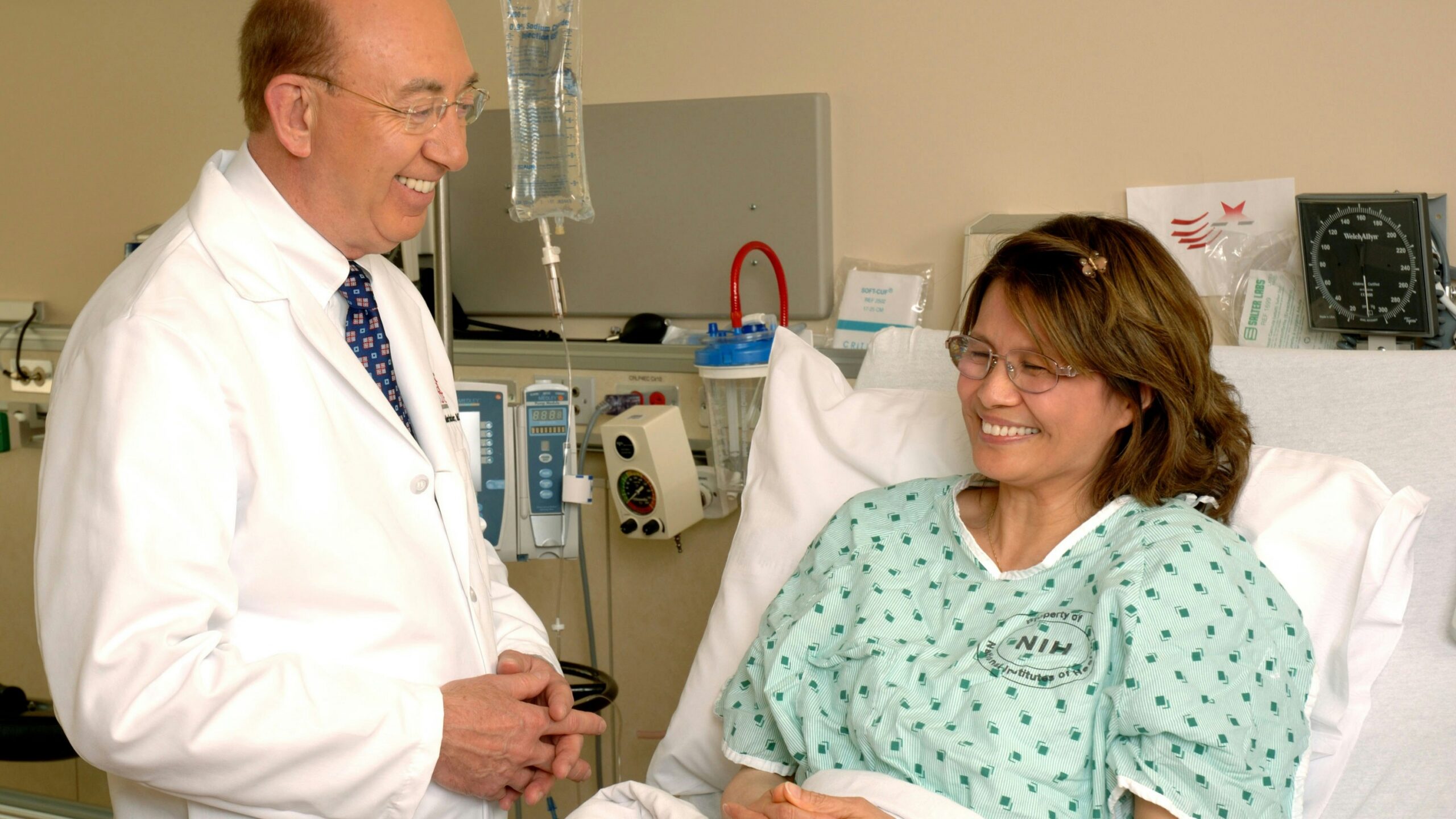
When one spouse needs a nursing home and the other is still living independently, families often fear that qualifying for Medicaid means going broke first. That fear is out of date. A set of federal protections written in 1988 is designed to keep the healthy spouse from being pushed into poverty by the cost of the other’s care, letting that spouse hold on to a defined share of the couple’s income and savings. Knowing the rules exist, and how they work, can be the difference between security and a needless spend-down.
The problem Congress set out to fix
Nursing home care is staggeringly expensive. Medicaid’s own materials put the cost at roughly $5,000 to $8,000 a month or more, a bill that can drain a lifetime of savings in a year or two. Before the reforms, a couple often had to exhaust nearly everything before the institutionalized spouse could qualify for Medicaid long-term care, leaving the spouse at home, referred to in the rules as the “community spouse,” with little to live on.
The spousal impoverishment provisions changed that calculation. Under them, a portion of the couple’s combined resources and, in many cases, part of the institutionalized spouse’s income, is set aside and protected for the community spouse. The intent, in the government’s words, is to let the community spouse “live out their lives with independence and dignity” rather than be impoverished by a husband’s or wife’s illness.
Free retirement updates: A single number or rule can quietly cost or save hundreds of dollars a month. Get free updates that surface the ones worth knowing.
Two protections: resources and income
The rules run along two tracks. The first protects assets. When one spouse is likely to be institutionalized for at least 30 continuous days, the couple is entitled to a snapshot of their combined countable resources as of the start of that stay. From that total, the community spouse is allowed to keep a Community Spouse Resource Allowance, a protected slice of the couple’s savings, while the balance counts toward the institutionalized spouse’s Medicaid eligibility. Certain assets, such as the home in many cases, are treated separately.
The second track protects income. Through the post-eligibility rules, Medicaid calculates how much of the institutionalized spouse’s income must go toward the cost of care, but it first carves out several protected amounts. Those include a personal needs allowance for the person in the facility and, crucially, a monthly income allowance for the community spouse when that spouse’s own income falls below a set floor. If the community spouse’s income is low, part of the institutionalized spouse’s income can actually be redirected to the spouse at home rather than swallowed by the nursing home bill. Medicaid works out the shortfall between the community spouse’s own income and the protected floor, then shifts enough of the institutionalized spouse’s income to close the gap before the rest goes toward care. A modest personal needs allowance is also left with the person in the facility for incidental expenses, so not every dollar of that spouse’s income is claimed by the bill either.
The numbers move, so timing matters
These allowances are not fixed forever. The federal government updates the minimum and maximum figures each year alongside the Supplemental Security Income standards. Under Medicaid’s 2026 standards, a state must let the community spouse keep a resource allowance of at least $32,532 and may allow up to $162,660, depending on where the state sets its figure within that federal range. The guaranteed monthly income floor for the community spouse runs between $2,643.75 and $4,066.50 for 2026, again varying by state and by the spouse’s own housing costs. Those are federal brackets, not a single national number, so the exact dollars a given couple can keep hinge on the year, the state, and the household’s budget.
Timing also drives the outcome in a practical way. The resource assessment is tied to the first continuous period of institutionalization lasting at least 30 days, and every countable asset the couple owned on that date is counted regardless of whose name is on the account. A couple holding $200,000 in countable savings, for instance, might see close to half protected for the community spouse and the balance counted toward the ill spouse’s eligibility, with the precise split turning on the state’s allowance. That makes the moment of entry into care a pivotal date, and it is why families are often advised to understand the assessment before, not after, a spouse is admitted.
Why this belongs on every couple’s radar
The spousal impoverishment protections do not make Medicaid automatic, and they do not shield unlimited wealth. What they do is guarantee that the spouse remaining at home is not stripped of income and savings simply because a partner needs long-term care. For older couples whose retirement plans never budgeted for years in a facility, that guarantee can preserve a household’s ability to stay in its home and pay its bills. The catch is that these are opt-in protections in practice: they help most when a family knows to invoke them, checks the current state and federal limits, and gets the resource assessment done at the right time rather than spending down out of a fear that has not been true since 1988.
This article was researched and drafted with the assistance of AI and reviewed by The Financial Wire editorial team.
More Financial Reading
- How many CDs can you park at 1 bank? FDIC rules you must know
- The ideal retirement withdrawal rate so your savings actually last