Medicare’s drug price negotiation program is now three rounds deep, and each round moves on its own clock. The first ten negotiated prices already took effect at the pharmacy counter on January 1, 2026. A second batch of fifteen is finalized and set to follow on January 1, 2027. A third batch of fifteen, whose manufacturers just finished signing on to participate, will not change what anyone pays until 2028, and knowing which of those three dates applies to a given prescription matters more to a retiree’s budget than the headline count of drugs involved.
The Ten Drugs Already Cheaper At The Pharmacy Since January
The first cycle of Medicare’s Drug Price Negotiation Program covered ten Part D drugs, and the negotiated prices CMS calls maximum fair prices took effect on January 1, 2026, according to CMS’s fact sheet on the first cycle’s negotiated prices. The discounts vary by drug but are steep: the diabetes drug Januvia dropped from a $527 list price for a 30-day supply to $113, a 79% cut, while the blood thinner Eliquis fell from $521 to $231 and the diabetes drug Farxiga fell from $556 to $178.50. The arthritis drug Enbrel and the psoriasis treatment Stelara, both far more expensive per month than the diabetes drugs, dropped 67% and 66% respectively, to $2,355 and $4,695 for a 30-day supply. CMS estimates that if these prices had applied in 2023, they would have cut net Medicare drug spending on the ten drugs by about $6 billion, and the agency separately projects roughly $1.5 billion in combined out-of-pocket savings for Part D enrollees now that the prices are in effect. None of that is hypothetical anymore: a person filling one of these ten prescriptions today is paying the negotiated price, not the old list price, according to the program’s official selected-drug list.
Free retirement updates: Enrollment and claim windows come and go, and missing one can cost you real money. The free Retirement Shield newsletter keeps you ahead of the deadlines that matter. Sign up free.
Fifteen More Prices Locked In For New Year’s Day 2027
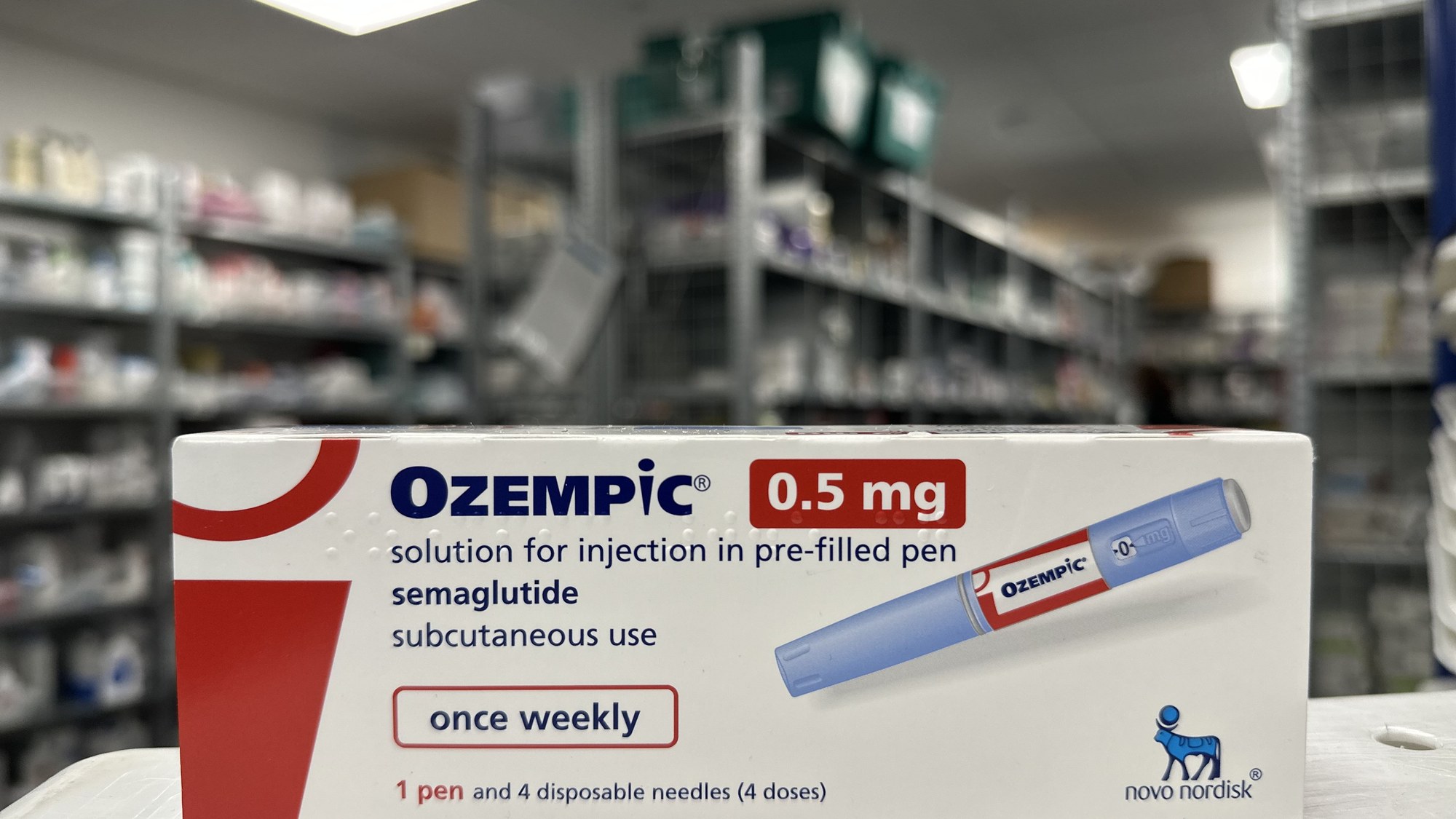
A second, larger round is already finished and simply waiting on the calendar. CMS selected fifteen Part D drugs for the second cycle, and negotiations with the participating manufacturers closed on November 1, 2025, with an agreed price reached for all fifteen, according to the fact sheet on the second cycle’s negotiated prices. Among the drugs are the diabetes and weight-management treatments sold as Ozempic, Rybelsus, and Wegovy, whose negotiated price drops from a $959 list price to $274 for a 30-day equivalent supply, a 71% cut; the asthma and COPD inhaler Trelegy Ellipta, down 73% to $175; and the prostate-cancer drug Xtandi, down 48% to $7,004. CMS says it will publish its full explanation of how each price was reached by March 2026, but the prices themselves are already set and will not change before they take effect. What is not yet true is that anyone is paying them: these fifteen prices become binding at the pharmacy counter on January 1, 2027, a little under four months from now, not before.
The $2,100 Yearly Cap That Doesn’t Wait On Any Negotiation
Separate from any negotiated price, Medicare’s 2026 benefit design already limits what a Part D enrollee pays out of pocket in a calendar year. Medicare.gov states that the prescription drug law caps out-of-pocket drug costs for covered drugs at $2,100 in 2026, and that this is true for everyone with Medicare drug coverage, whether or not a person ever fills one of the negotiated drugs. Once a beneficiary’s covered out-of-pocket spending reaches that figure in a given year, covered prescriptions cost nothing for the remainder of the year, with no separate cap on how many drugs or refills follow. That protection sits inside the broader Part D benefit structure that CMS revises through annual program instructions, and it operates independently of whichever cycle of the Negotiation Program happens to be underway.
Spreading The $2,100 Into Monthly Payments Instead Of One Bill
A separate option changes how that $2,100 gets paid, not how much of it is owed. Under the Medicare Prescription Payment Plan, a Part D enrollee can ask their plan to bill drug costs in capped monthly installments spread across the rest of the calendar year, instead of paying the pharmacy in full at pickup. Medicare.gov is direct about the tradeoff: this payment option might help manage monthly expenses, but it does not save money or lower drug costs, and the same $2,100 annual cap applies whether or not a person opts in. The option tends to help most when high drug costs land early in the year, since enrolling before September leaves more months to spread the balance; enrolling in the fall leaves fewer months to divide the same bill, which can make individual monthly payments larger rather than smaller.
Why The Newest Fifteen-Drug List Stays At List Price Until 2028
The third cycle looks, on paper, like the biggest recent development: CMS selected fifteen drugs on January 27, 2026, for the first time including some paid under Medicare Part B rather than only Part D, and on March 13, 2026, the agency confirmed that every manufacturer of those fifteen drugs, plus the maker of one additional drug up for renegotiation, agreed to participate, according to CMS’s fact sheet on third-cycle manufacturer participation. Participation is not a price. Negotiations with those companies continue through 2026, and the Negotiation Program’s own tracking page confirms any prices produced by this cycle take effect beginning in 2028, the same one-year lag that separated the first cycle’s 2024 agreements from its January 2026 start date and the second cycle’s 2025 agreements from its January 2027 start date. A person taking one of the third-cycle drugs today is paying exactly what they were paying before this cycle began, and will keep doing so through 2026 and 2027 no matter how the ongoing negotiations resolve.
This article was produced with the assistance of AI and reviewed by The Financial Wire editorial team.
More Financial Reading
- The ideal retirement withdrawal rate so your savings actually last
- How many CDs can you park at 1 bank? FDIC rules you must know