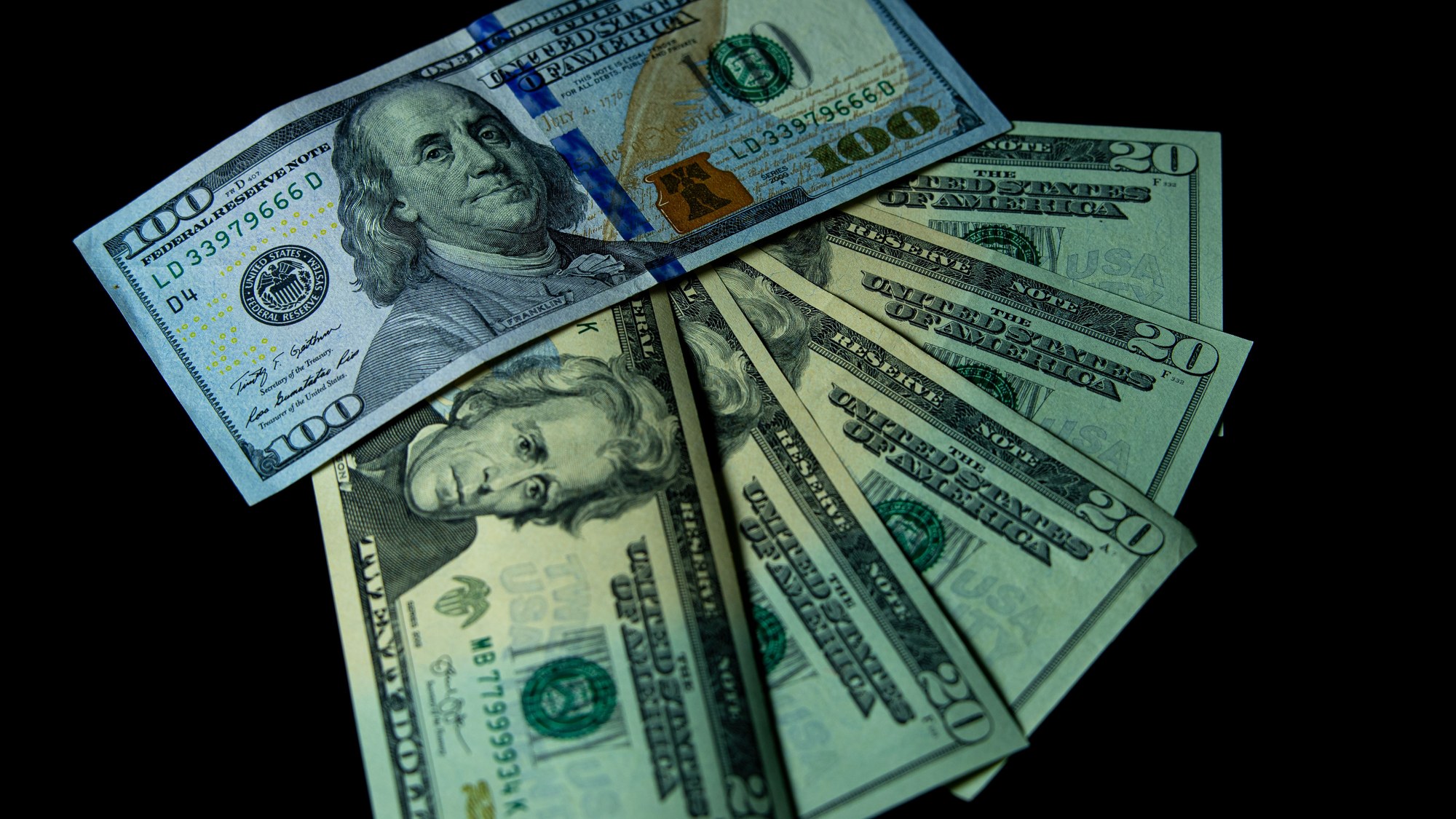
A graduate student borrowing $50,000 in federal loans this fall will pay roughly $8,000 more in interest over a standard 10-year repayment than a classmate who borrowed the same amount in 2023-24. That gap is the direct result of a rate reset taking effect July 1, 2026: new Direct Unsubsidized loans for graduate and professional students will carry a fixed rate of 8.07%, while Parent PLUS and Graduate PLUS loans will hit 9.07%, the steepest rate attached to new federal student loans in nearly two decades.
The increases are not a policy decision by the current administration. They are the mechanical output of a formula Congress locked into law in 2013, and they land just as universities finalize financial aid packages for the 2026-27 academic year.
How the rate formula works
The Bipartisan Student Loan Certainty Act of 2013 replaced the old system of politically negotiated rates with an automatic annual calculation. Each spring, the Department of Education takes the high yield from the final 10-year Treasury note auction held before June 1 and adds a fixed margin that varies by loan type:
- Undergraduate Direct Subsidized and Unsubsidized loans: Treasury yield + 2.05 percentage points
- Graduate Direct Unsubsidized loans: Treasury yield + 3.60 percentage points
- Parent PLUS and Graduate PLUS loans: Treasury yield + 4.60 percentage points
Statutory caps exist for each category, but the 2026-27 rates fall well below those ceilings, so the caps offer no relief this cycle.
The underlying driver is the 10-year Treasury yield, which has hovered near multi-year highs through the spring of 2026 amid persistent inflation concerns and elevated federal borrowing. When that benchmark rises, student loan rates rise in lockstep the following July. The result: graduate and PLUS borrowers absorb the largest increases because their statutory add-ons are the widest, amplifying the same Treasury move that affects undergraduates.
What the Department of Education has confirmed
The Department of Education published the new percentages in its annual notice for fixed-rate loans under the William D. Ford Federal Direct Loan Program. A companion posting in the Federal Register confirms the exact rates applying to loans first disbursed on or after July 1, 2026, and before July 1, 2027.
Because each loan’s rate is fixed for its entire life, borrowers who draw funds during this window will carry 8.07% or 9.07% through the full repayment term regardless of where Treasury yields move afterward. That permanence is what makes the timing of disbursement so consequential.
University financial aid offices are already updating their borrower-facing materials to reflect the new numbers. The University of Texas at Arlington lists a 9.07% rate for Direct PLUS loans disbursed between July 1, 2026, and June 30, 2027, on its graduate loan information page. Wichita State University shows the same 9.07% figure for Graduate PLUS loans on or after July 1, 2026. These institutional notices track the federal rate tables and confirm that campus packaging for the coming year is proceeding under the higher rates.
How the 2026-27 rates compare to recent years
For the current 2025-26 loan year, graduate Direct Unsubsidized loans carry a rate of 7.05%, and Parent PLUS and Graduate PLUS loans carry 8.05%. The jump to 8.07% for graduate Direct Unsubsidized loans and 9.07% for PLUS loans therefore represents an increase of roughly one full percentage point in a single year. Looking back further, PLUS loans disbursed in 2023-24 carried a 7.05% rate, meaning the rate has risen by more than two full percentage points in just two annual resets. Mark Kantrowitz, a higher education finance analyst and author of several financial aid reference guides, has noted that the current rate-setting formula can produce sharp year-over-year swings because it is entirely dependent on a single Treasury auction, with no smoothing mechanism to moderate spikes.
What the higher rates actually cost borrowers
On a $20,000 Graduate PLUS loan at 9.07% repaid over the standard 10-year term, a borrower would pay approximately $10,500 in total interest, bringing the full repayment cost to roughly $30,500. At the 8.05% rate that applied to PLUS loans disbursed in 2025-26, the same $20,000 loan would have generated about $9,700 in interest. At the 7.05% rate from 2023-24, total interest would have been about $7,900. That means a borrower taking out the same $20,000 this coming year will pay roughly $2,600 more in interest over the life of the loan than someone who borrowed just two years earlier, and many graduate and professional students borrow several times that amount across their programs.
The cost compounds further because federal graduate and PLUS loans do not require payments while the student is enrolled at least half time. Interest accrues at the new, higher rate during in-school deferment and any subsequent grace period, inflating the balance before the first payment is even due. For a student in a three-year law or MBA program, that capitalized interest can add thousands of dollars to the principal owed at repayment.
Some borrowers may weigh private refinancing as an alternative once they leave school, but the trade-off is significant. Private loans typically lack access to income-driven repayment plans and federal forgiveness programs such as Public Service Loan Forgiveness. For borrowers who expect to qualify for those programs, staying in the federal system at 9.07% may still be the better long-term calculation.
Uncertainty around the future of Graduate PLUS lending
Alongside the rate increase, a separate question is generating confusion on campuses: whether the Graduate PLUS loan program itself will continue in its current form. Wichita State University’s financial aid page includes language stating that the Graduate PLUS loan program ends July 1, 2026. However, the Department of Education’s Federal Register notice for 2026-27 rates sets a PLUS rate for the full loan year without announcing any program sunset, and the University of Texas at Arlington lists the 9.07% rate as applying through June 30, 2027, with no mention of a shutdown. Because the Federal Register notice establishes rates for PLUS loans disbursed through June 30, 2027, the Wichita State language appears to be either an error or a reference to legislative proposals that have not been enacted. Borrowers should rely on the Department of Education’s published guidance rather than a single institution’s website for program-level information.
The confusion likely traces to recent congressional budget proposals. Several versions of reconciliation legislation considered in 2025 included provisions to eliminate or restructure Graduate PLUS lending for new borrowers, with supporters arguing that uncapped graduate borrowing contributes to tuition inflation. As of June 2026, no enacted law has ended the program, and the Department of Education continues to publish rate schedules that include Graduate PLUS loans for the 2026-27 year.
The stakes are substantial. Many professional and doctoral programs depend on Graduate PLUS loans to bridge the gap between standard federal loan limits and the full cost of attendance. If Congress were to end or substantially curtail the program in a future legislative session, students could face funding shortfalls or be pushed entirely into the private lending market, losing federal protections in the process.
Borrowers planning to rely on Graduate PLUS funding for fall 2026 should contact their campus financial aid office directly and monitor Federal Student Aid for updated guidance.
What borrowers can still control before the July 1 rate reset
The rate formula is not something individual borrowers can change, but the timing and size of borrowing are still within their control. Graduate students who can reduce their loan amounts through assistantships, employer tuition benefits, or institutional grants will avoid locking in years of 8% or 9% interest on every dollar they do not need to borrow. Parents weighing a PLUS loan should compare the 9.07% federal rate against home equity lines of credit or other secured borrowing, keeping in mind that federal loans offer deferment and forgiveness options that private products do not.
Students already holding federal loans at lower rates from prior years are unaffected; the new percentages apply only to loans first disbursed on or after July 1, 2026. Consolidation of older, lower-rate loans into a new Direct Consolidation Loan would replace those favorable rates with a weighted average rounded up to the nearest eighth of a percent, so borrowers should think carefully before combining old and new debt.
Building a backup funding plan is prudent regardless of whether the Graduate PLUS program continues unchanged. The borrowing costs are now locked in for the 2026-27 loan year, and families weighing graduate school financing have a narrow window to adjust their strategies before the highest federal student loan rates in nearly 20 years take hold on July 1.