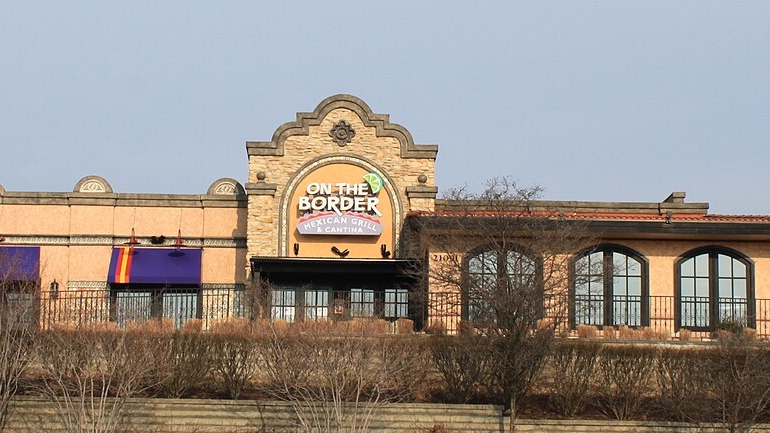
OTB Hospitality closed every company-owned On the Border Mexican Grill and Cantina location and then filed for Chapter 7 liquidation on June 19, 2026, choosing a full shutdown over any attempt to reorganize. The voluntary petition sets up an orderly wind-down under a court-appointed trustee, ending decades of casual-dining operations and leaving workers, landlords, and suppliers to pursue claims through the bankruptcy estate. The filing also draws a sharp legal line between OTB Hospitality and other On the Border entities, a distinction that will shape who recovers what.
Why the pre-filing closures change the bankruptcy math
Chapter 7 cases typically hand a trustee the job of collecting and selling whatever assets remain. When restaurants are still open at the time of filing, the trustee inherits active leases, payroll obligations, utility contracts, and perishable inventory, all of which drain the estate before creditors see a dollar. By shutting every company-owned site before submitting the petition, OTB Hospitality appears to have cleared those ongoing costs off the table. The trustee now steps into a simpler situation: static assets like equipment, intellectual property, and receivables rather than a running operation bleeding cash.
That sequencing matters for creditors, too. Employees who lost jobs before the filing date face different legal footing than workers terminated after a bankruptcy petition is accepted. Lease rejection motions, which can take weeks in court, become unnecessary when stores are already dark. The company’s own statement confirmed that all company-owned locations were closed prior to the Chapter 7 filing, and the case is described as an orderly liquidation under a Chapter 7 trustee.
What the company statement and entity structure reveal
OTB Hospitality released a statement through PR Newswire confirming the voluntary filing and specifying that it is a separate entity from other On the Border operations. That distinction is not a technicality. Franchise locations, if any remain active, would operate under different ownership structures and are not automatically pulled into the bankruptcy estate. The company’s language was precise: the filing covers OTB Hospitality and its wind-down, not the broader brand universe.
No public court docket or financial schedule has surfaced yet with asset values, creditor lists, or the exact count of locations that were closed. The company statement did not name the bankruptcy court where the petition was filed, and no trustee has been publicly identified. Earlier reporting from a Dallas-Fort Worth television station had tracked On the Border closures in recent years, but the scope of the final shutdown and the financial condition behind it remain documented only through the company’s own announcement so far.
Open questions for creditors, workers, and franchise operators
Several gaps in the public record will determine how this liquidation plays out. The total number of company-owned restaurants that closed is not specified in the filing announcement, making it difficult to estimate the scale of job losses or the volume of lease claims landlords may file. No employee or union representative has made a public statement about severance, accrued wages, or benefits owed. Without the bankruptcy schedules, the size of the estate and the priority of claims remain unknown.