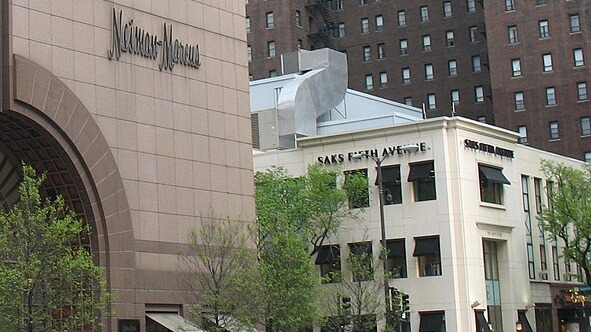
Saks Global is closing 24 department stores across the Saks Fifth Avenue and Neiman Marcus brands, cutting deeper into a physical retail footprint that has been shrinking since the company filed for Chapter 11 protection earlier this year. The closures follow a period of falling revenue and a bankruptcy process that forced the parent company to choose which locations to keep and which to abandon. For shoppers in affected cities, the announcement means fewer places to browse luxury goods in person, while the company bets its future on a smaller, more profitable set of stores and a growing online business.
Why 24 store closures signal a deeper luxury retail retreat
The decision to shut 24 locations is not a routine portfolio trim. It comes after Saks Global Enterprises LLC sought bankruptcy protection through the Houston court, per case filings listed on the court’s portal. Court documents referenced a revenue slide at Saks Global, according to The Washington Post’s reporting on the bankruptcy. That financial pressure made it impossible to justify keeping every store open, especially locations with high lease costs and declining foot traffic.
The company has framed the closures as a strategic choice rather than a forced retreat. Saks Global said it is advancing portfolio optimization to solidify its position as a leading luxury destination and drive sustainable growth. In practice, this means concentrating resources on top-performing locations while pushing more sales through digital channels. The strategy echoes broader shifts in high-end retail, where brands are pruning underperforming stores and relying more heavily on e-commerce, clienteling apps, and appointment-based shopping.
The hypothesis that digital revenue will outpace remaining physical stores within 18 months is plausible but unproven. No post-emergence revenue breakdown separating online from in-store sales has been made public, so the speed of that shift cannot yet be measured. Without those figures, it is difficult for outside observers to judge whether the online business is strong enough to offset the loss of in-person sales and the brand visibility that comes with marquee flagship locations.
Bankruptcy, emergence, and the 24-store cut
The timeline matters. Saks Global Enterprises LLC filed for Chapter 11 bankruptcy, according to the court’s Houston Division case portal. The filing triggered a restructuring that forced hard decisions about which Neiman Marcus, Saks Fifth Avenue, and Bergdorf Goodman locations would survive. Landlord negotiations, lease terminations, and potential buyout costs all factored into which stores were marked for closure.
After working through that process, the company announced it had emerged from bankruptcy as a luxury group operating all three brands, per a company release. The 24 closures are part of the post-emergence plan to run leaner. By shedding weaker locations, Saks Global aims to free up capital for store renovations, technology upgrades, and marketing around its strongest markets.
There is a tension between these two facts. Filing for bankruptcy protection and then claiming a successful emergence as a premier luxury group are not contradictory, but they describe very different chapters of the same story. The bankruptcy revealed financial weakness. The emergence announcement projects confidence. Readers should weigh both: the company did secure court approval to reorganize, but the revenue problems that led to the filing have not been publicly resolved with updated financial data.
That ambiguity is common in retail restructurings. Chapter 11 can eliminate debt and unwanted leases, but it does not guarantee that customers will return or that online growth will be fast enough to compensate for shrinking physical footprints. Whether Saks Global’s streamlined network can support the cost structure of three luxury brands remains an open question.
What shoppers and investors still do not know
Several questions remain open. The exact addresses of the 24 stores set for closure have not appeared in the company’s public releases or in court filings accessible through the bankruptcy portal. Shoppers in cities that host Neiman Marcus or Saks Fifth Avenue locations may not yet know if their local store is on the list until landlords, employees, or local officials disclose details.
For customers, the uncertainty complicates planning. High-spending clients often build relationships with specific sales associates for personalized service, alterations, and access to limited merchandise. If a store closes, those relationships may move online or to another city, but some shoppers could simply drift to competitors that still offer convenient in-person experiences.
Investors and creditors face a different information gap. Saks Global has not publicly broken out post-bankruptcy performance by brand or channel, leaving analysts to infer trends from industry data and anecdotal reports. Without clear metrics on same-store sales, e-commerce growth, and profitability, it is hard to evaluate whether the 24-store reduction is a one-time reset or the first step in a longer retreat from brick-and-mortar retail.
The company’s messaging suggests optimism: management has emphasized curated assortments, improved service, and integrated digital tools as reasons the smaller footprint can succeed. Yet the lack of detailed disclosures means that confidence is, for now, largely rhetorical. Until Saks Global provides more transparent financial reporting and a definitive list of affected locations, shoppers and investors will be left to watch for signs in their own cities-darkened storefronts, liquidation sales, and the gradual reshaping of the luxury landscape.
Free for readers: The free Retirement Shield newsletter sends plain-English help keeping more of your money in retirement — the scams to dodge, the benefits you’re owed, and what’s changing with Social Security and Medicare, a couple times a week. Get the free newsletter.