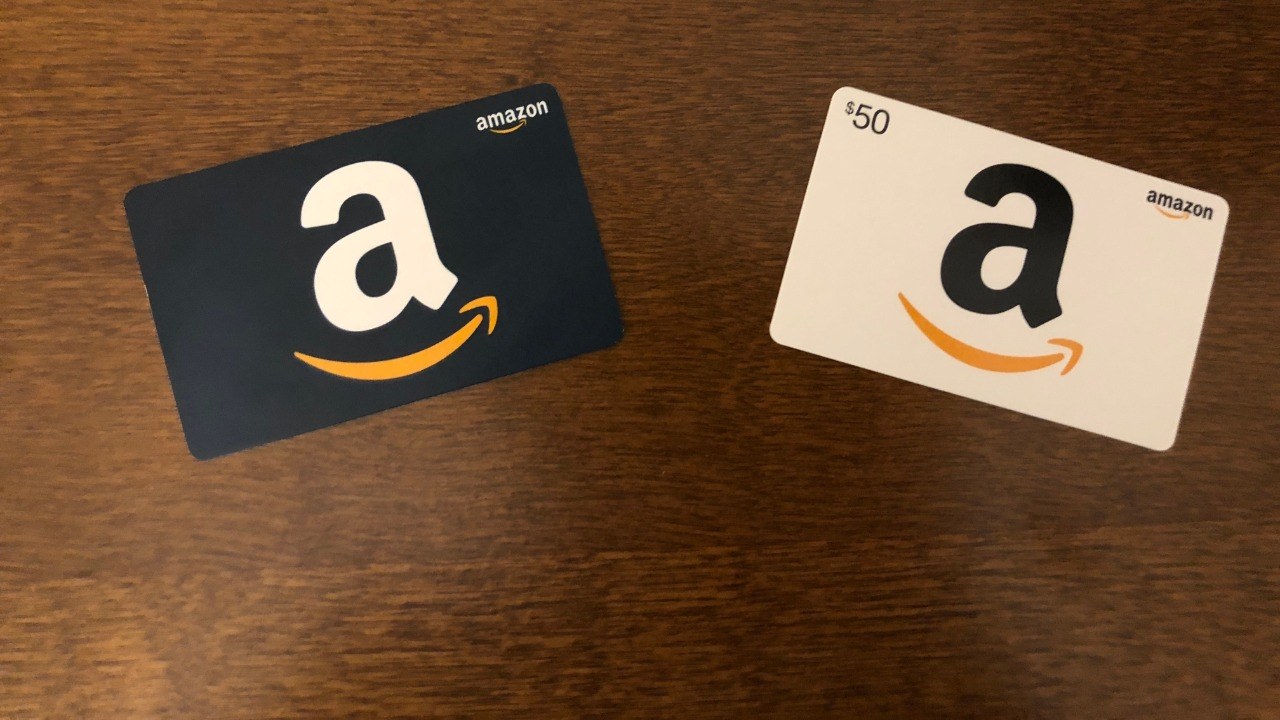
The caller never asks for a bank number. Instead, a text arrives with a barcode, and the person on the phone says to load money onto it at a store. Social Security’s Office of the Inspector General, the agency’s watchdog, issued a scam alert on September 28, 2026, describing exactly that.
The inspector general’s office calls it a fast-growing twist on old gift card scams. The caller opens with something frightening: a fine, a debt or a family emergency. The code follows within minutes.
Say a caller tells you your grandson has been arrested and needs bail money right now. Say a text then lands with a barcode and an instruction to scan it at a register. The alert says that is the scam, and that the right move is to hang up or ignore the message before any money moves.
What changed this year: Social Security and Medicare change every year, and nobody sends you a memo. The Retirement Money Brief breaks down what changed and what to do.
Get the Retirement Money Brief →
We may earn a commission from links on this page.
How the register becomes the payment
According to the inspector general’s alert, scammers send one or more barcodes or QR codes. Victims are told to go to a retail store and load money onto each one. Then they are told to read the code back once it has been paid.
The alert names no particular chain. It says only that victims are sent to a “big-name retailer” or a retail store. It gives no dollar total and no count of complaints, but it does say some victims have lost thousands of dollars.
Many of them never gave up a Social Security number or any other personal data. In the words of the alert’s PDF version, “the barcode itself is the scam.”
A voice that sounds like family
The callers pose as a police officer, a sheriff’s deputy or a federal agent. They say you owe a fine or a debt, or that a family member was arrested and needs bail. The alert says the relative is often an adult child.
Some callers add a cloned voice. The inspector general warns that voice cloning technology is “easy, inexpensive, and readily available,” so a voice that sounds like a relative is no proof of anything. Hearing a familiar voice cry for help is exactly what the scheme is built to produce.
Who never asks for a code
The alert is direct about this: “Law enforcement officers will NEVER demand immediate payment by sending barcodes or QR codes.” It adds that Social Security, its inspector general’s office and other government agencies do not make that demand either.
Social Security’s scam page says every scam shares four traits. The sender pretends to be a trusted organization, claims a problem or a prize, pressures you to act at once and tells you how to pay. It also says scammers favor payment methods that are hard to trace, including gift cards, prepaid debit cards, wire transfers, cryptocurrency and mailed cash.
The scam page adds that scammers can spoof official numbers, including local police lines, and may say they are transferring you to an agent. The alert’s advice on this point is to never trust a call transfer. Hang up, then call the agency back on a number from its official website.
The agency’s page lists other lines to watch for. Scammers may threaten arrest or the suspension of a Social Security number. They may claim you must act to receive a cost-of-living increase. Some demand secrecy, ask you to move money to a “protected” account, or send someone to pick up cash or gold in person.
The same page warns about fake social media accounts that copy the agency’s colors and wording. The signs it lists are few followers, spelling mistakes, links that do not end in “.gov” and fees for free documents, such as a replacement Social Security card. Social Security says it will never ask for sensitive information over social media, email or text.
Where to report, and what to lock down
The alert gives three places to report. Social Security takes scam reports at ssa.gov/scam. The inspector general’s fraud hotline is 1-800-269-0271, and the FTC takes reports at ReportFraud.ftc.gov. The agency’s page also points to the inspector general’s online report form.
Social Security’s page says anyone who lost money should also report the crime to local police. If a scammer got login details, it says to create a new, strong password. It also suggests contacting Equifax, Experian and TransUnion to add a fraud alert to a credit report.
People who have an online my Social Security account can ask for alerts. The agency says the account sends a notice if someone tries to change an address or direct deposit. That matters most when a scammer has some of your details.
The inspector general’s advice for the moment of the call is plain. Pause, because scammers create urgency so you will not stop to think or ask anyone. Talk to someone you trust before you do anything with a code.
When the call says family, who do you phone first?
The risk in the grandson-in-jail call is the first ten minutes. A frightened person with a code on their phone and a store down the road has very little time to reach anyone who could say stop.
The Senior Fraud Defense & First-Hour Recovery Kit is built for that moment. It includes a first-hour recovery plan, the free credit-freeze steps and a fraud evidence and report log, and its Part 6, When It Is Family, covers calls that use a relative’s name.
Keep a first-hour plan by the phone with the Senior Fraud Defense Kit →
More Financial Reading
- 15 Steps to Stop the Scams That Took $7.7 Billion From Seniors
- 21 Ways to Stretch a $2,087 Social Security Check
- 15 Ways Out of 22% Credit Card Interest
This article was produced with the assistance of AI and reviewed by the editorial team.