People caught up in the Equifax credit-score settlement have a short list of dates to keep straight. They must opt out or object by November 27, 2026. They must file a claim by December 28, 2026. A federal judge in Atlanta holds the final approval hearing on January 22, 2027.
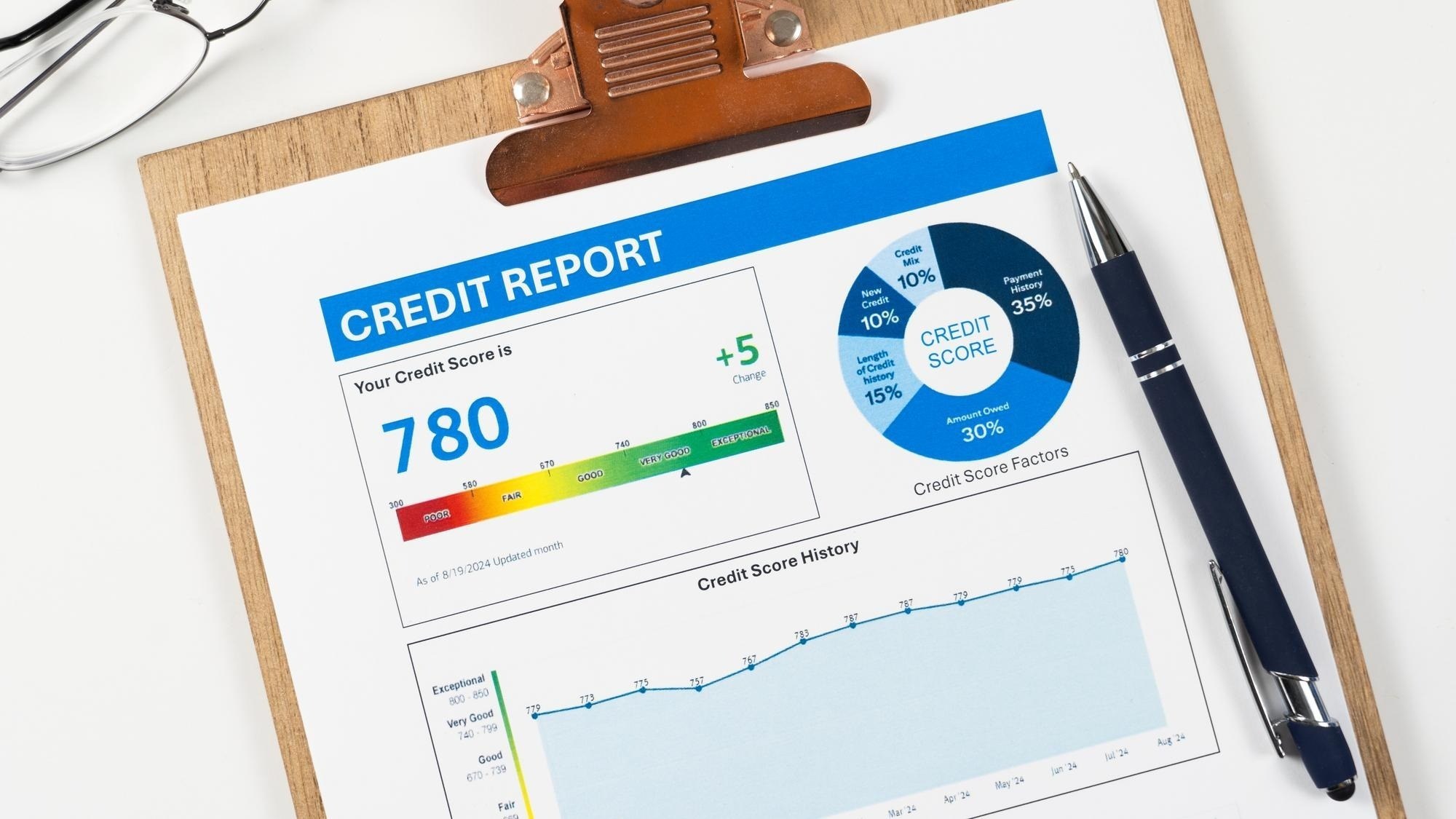
The case, In re Equifax Fair Credit Reporting Act Litigation, grew out of a computer coding problem at Equifax that ran from March 17, 2022 to April 8, 2022. The settlement administrator’s site says the problem led to credit scores or credit details being reported to third parties that differed from what they would have been.
Notice went out by email or U.S. Mail to people in Equifax’s records, and the administrator says getting one means Equifax’s records place you in the group. If you got that notice, you now have a choice with different consequences attached to each date. The earliest deadline is the one that closes the door on suing Equifax yourself.
Retirement deadlines, in your inbox: Miss an enrollment or claim deadline and the money can be gone. Join the Retirement Money Brief and we’ll send you our Open Settlements & Refund Tracker as a welcome gift.
Get the Brief + the settlements tracker →
We may earn a commission from links on this page.
Who is in the settlement
The class covers everyone in the United States for whom Equifax reported a credit score or credit attribute to a third party that differed from what it would have been without the coding problem. Equifax’s own analysis decides who fits, and the transaction must be one that analysis identified. Equifax, its affiliates, employees, officers, directors and the assigned judges are excluded.
Class Counsel is made up of four firms: Girard Sharp LLP, Gibbs Mura LLP, DiCello Levitt LLP and Caplan Cobb LLC. The notice says it is not a solicitation from a lawyer, and members may hire their own attorney but are not required to. The court has preliminarily approved the settlement and the notice.
Four ways to answer the notice
The administrator’s FAQ lays out four choices. File a claim, and you can receive a payment, but you are bound by the settlement and give up claims against Equifax over the coding problem. Do nothing, and you get no payment but are still bound.
Opt out, and you get no payment but keep the right to sue Equifax on your own. Object, and you tell the court why you think the deal is wrong. You can object and still file a claim, but you cannot object if you opt out.
What the money looks like
The FAQ says Equifax will pay $100 million into a fund that does not revert to the company. After court-approved fees, expenses and administration costs, what remains is divided equally among valid, timely claimants.
The plaintiffs estimate payments at roughly $95 to $280, according to the FAQ. That is an estimate and not a promise, and the final figure depends on how many claims come in. Class Counsel may ask for up to one-third of the fund, or $33,333,333, plus up to $500,000 in expenses, and the judge must find the request fair.
Opting out takes a letter, and only yours counts
An opt-out must be postmarked by November 27, 2026. It goes by mail to Equifax FCRA Litigation, Settlement Administrator, P.O. Box 301132, Los Angeles, CA 90030-1132. The letter must include your full name, address and email address, the case name and number (No. 1:22-cv-3072-LMM-CCB), a statement that you want out, and your signature.
The FAQ says no third party or company can opt out for you. If you have a lawyer, the letter must also carry the lawyer’s name, address, phone and email.
Anyone who opts out can pursue their own case. Anyone who opts out also forfeits any payment from this settlement. That is the trade the November 27 date forces.
Filing and objecting
A claim can be filed online at the settlement website, or a paper form can be downloaded and mailed to the same Los Angeles address. The FAQ says the form must be submitted online or postmarked by December 28, 2026. The site says you must submit a claim to receive a payment.
An objection is also due by November 27, either filed with the court or postmarked by that date. It must give the case name and number, your name and address, your reasons and any supporting documents, and your signature. Copies go to the court at 75 Ted Turner Drive SW in Atlanta and to the administrator. The court can approve or reject the settlement but cannot change its terms.
The January 22 hearing
The final approval hearing is set for Friday, January 22, 2027, at 2:00 p.m. at the Richard B. Russell Federal Building in Atlanta. Attendance is optional. The site says the hearing may be moved or held remotely, so the date can change.
Silence has a cost here. The FAQ says people who do nothing cannot start, continue or join another lawsuit against Equifax over the coding issue, even though they receive no payment. Only an opt-out preserves that right, and only a timely claim brings a payment.
The administrator’s phone line is 1-888-808-1542. Its contact page says not to call Equifax or the court for information.
Which of the four dates actually decides your Equifax claim?
Settlement notices stack several dates, and the one that matters depends on what you want. An opt-out letter mailed after November 27 does nothing. A claim filed after December 28 pays nothing,.
The Settlement & Refund Recovery System teaches the four-date rule for reading a settlement notice, so you know which date binds you before you pick a path. It also includes a claim log and payment tracker, with one place to record what you filed, when, and what you were paid.
Sort the Equifax dates and file by November 27 with the Settlement & Refund Recovery System →
More Financial Reading
- 15 Places to Find Your Share of the $4.25 Billion States Give Back
- 21 Ways to Stretch a $2,087 Social Security Check
- 15 Steps to Stop the Scams That Took $7.7 Billion From Seniors
This article was produced with the assistance of AI and reviewed by the editorial team.