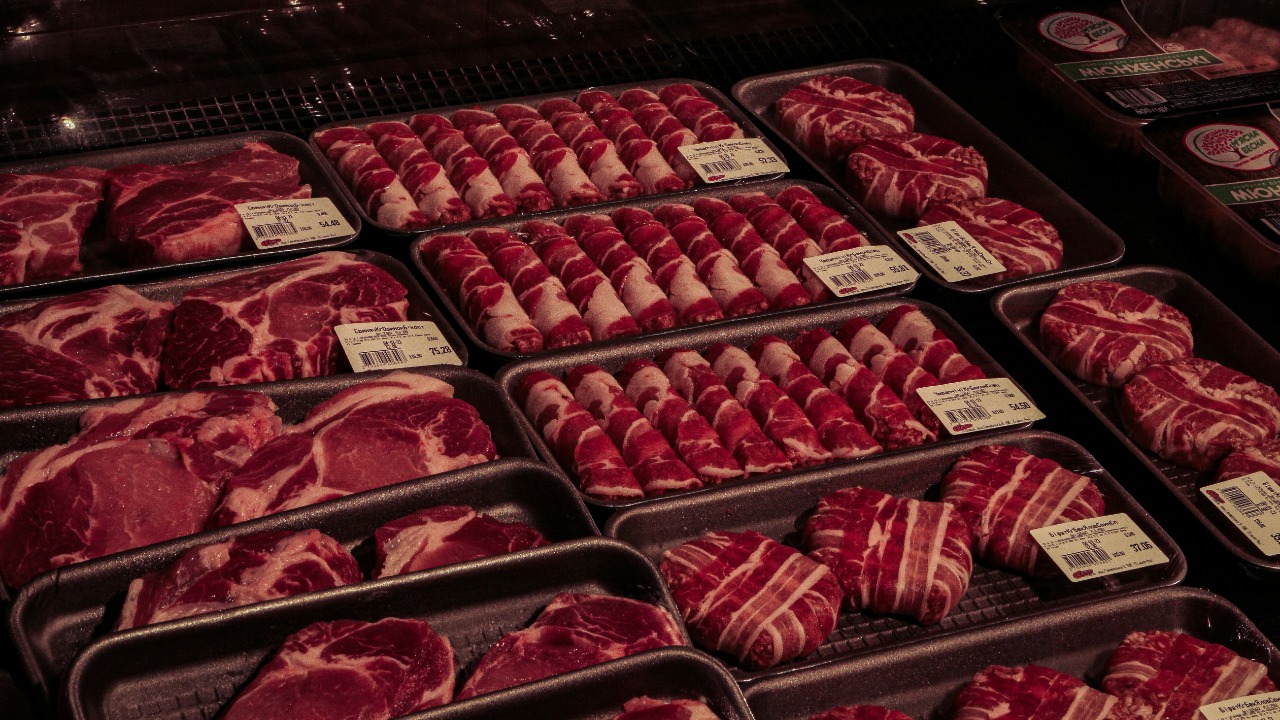
A single deadline sits at the center of the beef import expansion the Trump administration signed into law on August 26: September 30. That is when the first slice of a three-part tariff-rate quota increase closes to new shipments, and whether the remaining two-thirds of the program moves forward depends on a price test built into the same document. The proclamation does not touch the tariff itself; it enlarges how much lean beef trimmings can enter the country at the quota’s lower duty rate, a distinction that determines who actually benefits and how quickly. For households stretching a fixed income through the grocery aisle, the outcome hinges on whether imported beef under the expanded quota actually undercuts current prices, something no agency has yet confirmed.
A Quota Increase, Not a Tariff Cut
Proclamation 11059, signed August 26 and published in the Federal Register on August 31, builds on an earlier order from February that raised Argentina’s beef quota by 80,000 metric tons. This new proclamation adds a separate 300,000 metric tons to the aggregate in-quota amount for lean beef trimmings for calendar year 2026, and it allocates the entire increase to countries other than Argentina, whose earlier allocation is untouched. The mechanism matters: a tariff-rate quota lets a fixed volume of a product enter at a lower duty, while anything above that volume pays a steeper out-of-quota rate. Raising the ceiling does not cut the duty itself; it simply lets more pounds of beef qualify for the cheaper rate before the higher one applies.
The additional volume applies only to four specific lean beef trimmings classifications and moves in three 30-day windows administered by U.S. Customs and Border Protection on a first-come, first-served basis, according to the text of the proclamation. The first tranche, 100,000 metric tons, opened September 1 and closes September 30. A second 100,000-metric-ton tranche runs October 1 through October 30, and a third opens October 31 and stays open until it fills or November 30 arrives, whichever comes first. The proclamation rests on authority Congress gave the president under a 1994 trade law to temporarily expand a quota when domestic supply cannot meet demand at reasonable prices because of a natural disaster, disease, or market disruption.
Free retirement updates: Want plain-English help keeping more of your money in retirement? The free Retirement Shield newsletter covers the benefits, deadlines, and money mistakes that cost retirees, a couple times a week. Subscribe free.
The Price Test Built Into the Order
The proclamation does not simply expand supply and walk away. It orders the Secretary of Agriculture and the U.S. Trade Representative to track whether beef entering under the enlarged quota sells at a price at least 25 percent below the market price for lean beef trimmings. If it does not, those officials must notify the president immediately so he can decide whether to cancel whatever portion of the 300,000 metric tons has not yet entered the country. That threshold, not a target retail price for ground beef, is the actual trigger written into the order.
The proclamation is explicit that no price outcome is guaranteed. According to the White House’s published text of the order, the administration anticipates the added imports will be sold at a discount to current prices, but if that discount does not materialize, the president may end the program early “in order to, among other things, prevent a windfall to foreign producers.” Nothing in the proclamation commits any agency to a specific dollar reduction at the grocery counter, and no separate agency notice has set a numeric price target beyond the 25 percent import-price test.
Why Beef Costs Keep Climbing for Retirees on Fixed Budgets
The order’s own findings describe a domestic supply squeeze that predates this proclamation. The U.S. cattle herd fell to its lowest level in 75 years, and ongoing restrictions on live-animal imports from Mexico tied to New World Screwworm containment have limited a traditional supply channel even as the Department of Agriculture works through a phased reopening of southern ports. USDA forecasts domestic beef output to fall roughly 4 percent from 2025 levels this year, even as consumption is expected to rise. That combination points toward continued upward pressure on ground beef prices with or without the new import volume.
Ground beef carries outsized weight in the household budgets of retirees living on Social Security or a fixed pension, because it is one of the most commonly purchased proteins and one of the hardest expenses to defer. A pantry staple getting more expensive does not show up as a single large bill; it shows up week after week at the register, and it competes directly with prescription copays, utility bills, and other costs that do not flex with a fixed monthly check. Whether this quota expansion meaningfully softens that pressure, or simply slows its rate of increase, will not be clear until well after the first tranche closes.
What Happens After September 30
Closing the first tranche on September 30 does not end the program. Two more 100,000-metric-ton windows are scheduled to open in October and run into November, and nothing in the proclamation requires a fresh announcement for those tranches to proceed on schedule. The only mechanism that can interrupt the sequence is the price-monitoring clause: if the Agriculture Department and the Trade Representative report that the 25-percent threshold is not being met, the remaining tranches, or whatever portion has not yet been filled, become subject to the president’s discretion to cancel them outright.
For now, the only confirmed fact is the calendar. The first 100,000 metric tons is being allocated on a first-come, first-served basis through September 30, the second tranche opens October 1, and the third begins October 31 with a hard outer limit of November 30, exactly as laid out in the proclamation.
This article was produced with the assistance of AI and reviewed by The Financial Wire editorial team.
More Financial Reading
- Bank statements: how long to keep them and when to toss them
- Adding someone to your bank account: tax traps and smart moves