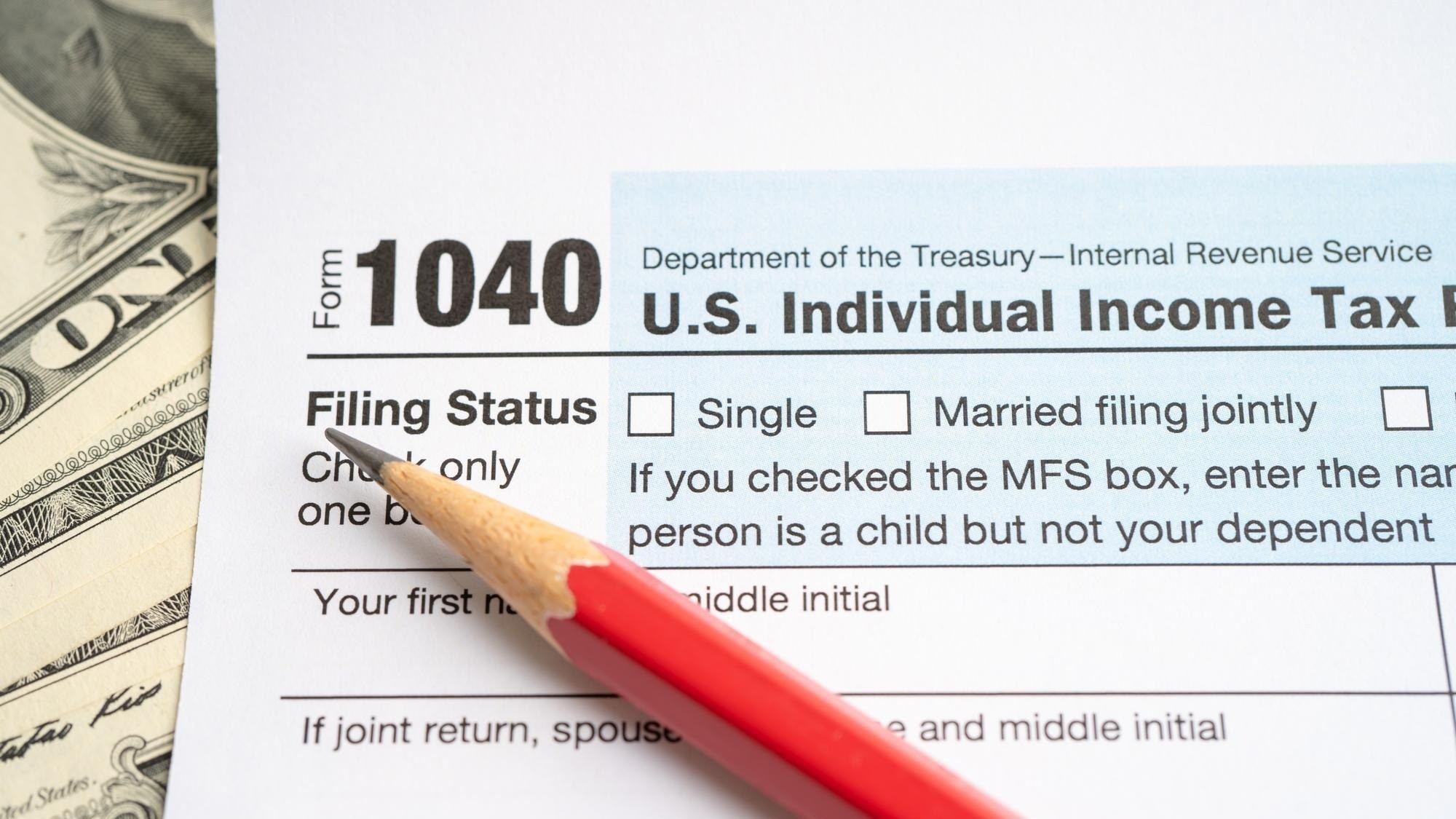
Most Americans assume that seizing a retiree’s Social Security requires a judge, a hearing, and a court order. When the creditor is the federal government collecting unpaid taxes, that assumption is wrong. The Internal Revenue Service can reach directly into a monthly Social Security benefit and skim 15 percent off the top through an automated program, and it can do so without ever setting foot in a courtroom.
The tool is called the Federal Payment Levy Program, and it turns a benefit many retirees treat as untouchable into a source the government can tap for delinquent tax debt. For older Americans carrying an old IRS balance, it is one of the least understood risks to their income.
A Levy That Skips the Courtroom
The IRS does not need a court judgment to garnish a federal payment for back taxes. Through the Federal Payment Levy Program, the agency matches its records of unpaid tax debts against federal payments processed by the Treasury and applies a continuous levy administratively. Once in place, the levy takes 15 percent of each covered payment automatically, month after month, until the debt is resolved or the levy is released.
Social Security retirement and survivor benefits fall squarely within reach of the program. The IRS guidance on which Social Security payments are eligible confirms that Title II old-age and survivors benefits can be levied at the 15 percent rate to collect delinquent federal tax. That is a meaningful bite for a retiree living on a fixed income: on a $2,000 monthly benefit, the levy removes $300 every month for as long as it runs.
Free retirement updates: Keep more of your Social Security and savings with plain-English updates on the changes, deadlines, and costly mistakes retirees miss. Subscribe free.
What the Program Cannot Touch
The reach of the levy has limits, and they matter for the most vulnerable beneficiaries. Supplemental Security Income, the needs-based program known as SSI, is exempt and cannot be levied through the program, because it is designed as a floor for those with little other income. Social Security disability insurance benefits are also spared from the automated levy; the IRS stopped systematically pulling disability payments through the program as of October 2015. Retirement and survivor benefits, however, remain fully within its scope.
The 15 percent figure is the rate applied through the automated program specifically. It is a partial, continuous levy rather than a one-time grab of an entire check, which is what allows it to run in the background without a separate legal action each month. That design is precisely why so many retirees are caught off guard: there is no dramatic seizure, just a smaller deposit that keeps arriving until the underlying tax debt is addressed.
The Warning Notice and How to Stop It
The levy is not supposed to arrive without warning. Before the program begins withholding, the IRS is required to send a final notice of intent to levy along with notice of the right to a hearing. That notice gives the taxpayer 30 days to respond before the 15 percent withholding starts. Ignoring the letter is what allows the levy to take effect; acting on it is what stops it.
Several routes can halt or prevent the withholding. A retiree can set up an installment agreement to pay the debt over time, which generally suspends the levy while the plan is in force. Someone who cannot pay at all may qualify for currently-not-collectible status, a designation the IRS uses when collection would create genuine financial hardship, pausing enforcement against the benefit. In some cases an offer in compromise, which settles the debt for less than the full balance, can resolve the matter and lift the levy entirely.
For retirees who believe the tax debt itself is wrong, the notice period is also the moment to dispute it through a collection due process hearing, where the amount owed and the appropriateness of the levy can be challenged. The common thread is speed. Because the program runs automatically once triggered, the practical defense for older Americans is to open every IRS notice promptly and respond within the 30-day window, rather than waiting until a shrunken benefit deposit reveals that the levy has already begun.
This article was researched and drafted with the assistance of AI and reviewed by The Financial Wire editorial team.
More Financial Reading
- Adding someone to your bank account: tax traps and smart moves
- What really happens to your joint savings account when you die?