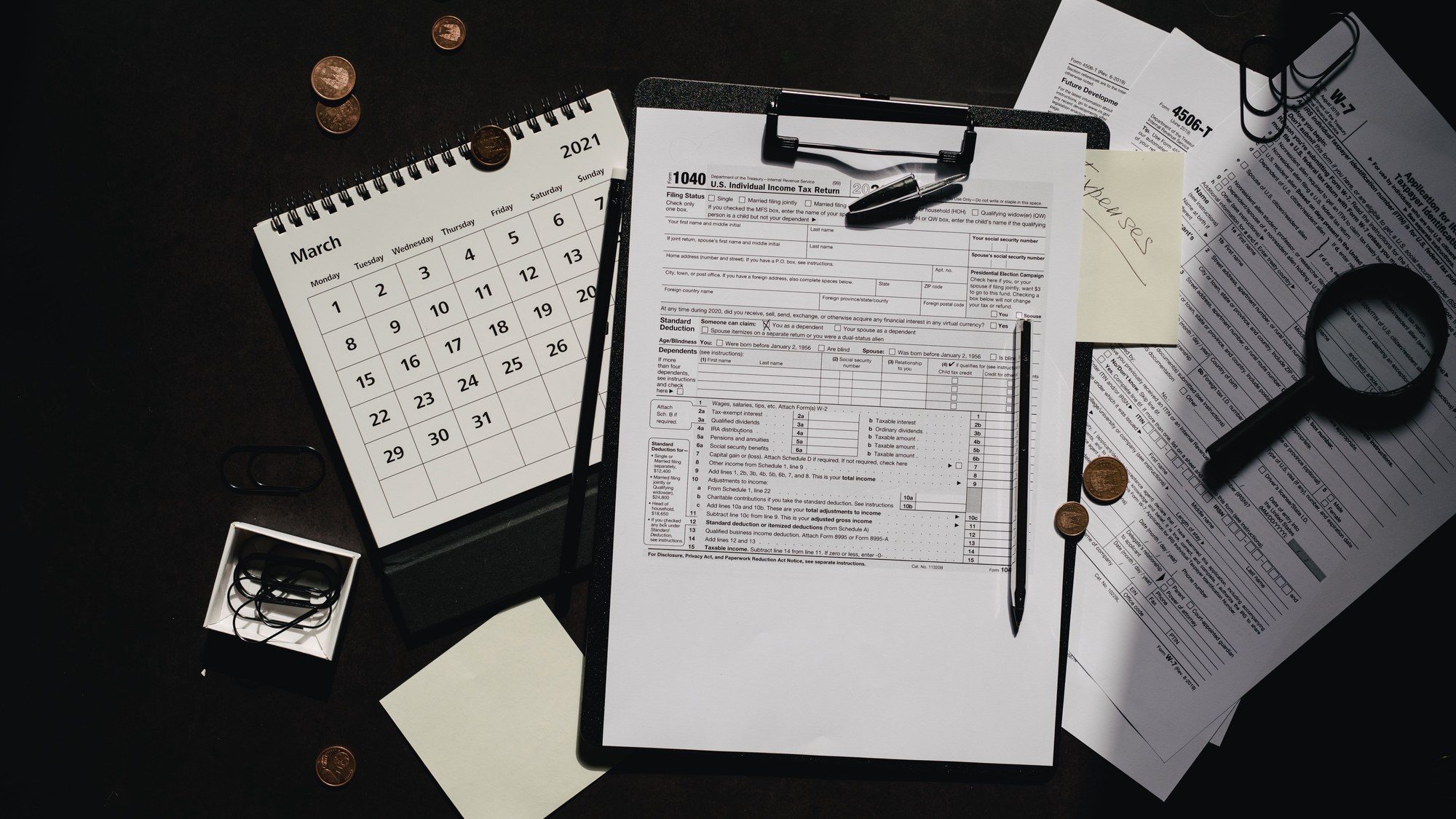
Roughly 830,000 tax filers are waiting for refunds the IRS will not release, and most of them may not understand why. The money is not lost or denied. It is sitting in a federal holding pattern because those returns did not include direct deposit information, and under a policy that took effect last fall, the IRS now refuses to mail a check unless the taxpayer specifically asks for one.
The average federal refund this filing season has topped $3,100, according to IRS filing-season data. For the people caught in this freeze, that money could cover rent, car repairs, or months of groceries. Instead, it is locked behind a single piece of mail many of them may have already thrown away.
How the freeze works
The hold traces back to Executive Order 14247, signed in early 2025, which directed the Treasury Department to stop issuing paper checks for most federal payments, including tax refunds, by Sept. 30, 2025. Since that cutoff, the IRS has been holding refunds for any filer who did not provide bank account details on their return. Rather than simply mailing a check, the agency sends a notice and waits for the taxpayer to respond before releasing anything.
The 830,000 figure has been reported by outlets including CBS News and NBC News, citing IRS and Treasury officials, though the agency itself has not published an official count as of late May 2026. The real number could be higher: the FDIC’s most recent national survey found that about 5.6 million U.S. households have no bank account at all, and millions more have accounts but chose not to share that information on their returns.
The CP53E notice and the 30-day clock
When the IRS cannot deliver a refund electronically, it mails a letter called the CP53E. The notice tells the taxpayer their refund is on hold and gives them roughly 30 days to provide or update direct deposit information through their IRS online account.
If the filer responds within that window and supplies valid banking details, the refund is released electronically. If the 30 days pass without a response, the IRS will issue a paper check, but processing that payment takes approximately six additional weeks from the notice date, according to the Taxpayer Advocate Service. The IRS’s own refund guidance notes that paper-check processing can stretch to six or more weeks under normal conditions; the CP53E hold adds time on top of that baseline.
The Taxpayer Advocate Service has specifically warned filers not to discard the CP53E letter or assume it is a scam. The warning is well-founded: the notice arrives by regular mail, carries no distinctive branding that sets it apart from junk mail, and uses a code most taxpayers have never encountered.
Why the government stopped mailing checks
The Treasury Department framed the shift as a cost-cutting and fraud-prevention measure. Paper checks are more expensive to print, easier to steal from mailboxes, and slower to deliver than electronic transfers. For the majority of filers who already use direct deposit, the change has been invisible. The friction lands almost entirely on people who either chose not to share bank details, do not have a bank account, or made an error on their return that left the deposit field blank.
What you should do right now
Search your mail carefully. The CP53E looks like standard IRS correspondence, which means it is easy to overlook. If you filed without direct deposit information and have not received your refund, check any unopened IRS letters from the past several weeks. You can confirm the notice is legitimate by logging into your IRS online account or calling the phone number printed on the letter itself.
Respond before the 30-day window closes. Adding direct deposit details through your IRS online account is the fastest way to unfreeze your refund. A traditional bank account works, but so does a prepaid debit card that has a routing and account number, or a payment app like Venmo, Cash App, or PayPal that provides banking details for direct deposits.
If you do not have a bank account, you still have options. Many credit unions and community banks offer free or low-cost checking accounts, and the FDIC’s Bank On program certifies accounts with no overdraft fees and low minimum balances specifically designed for people who have been shut out of traditional banking. Opening one of these accounts and entering the details in your IRS online profile can get your refund moving.
If you cannot go online, call the IRS. Filers without internet access can call the IRS at the number on their CP53E notice to discuss their options. Wait times vary, but phone representatives can walk you through the process.
Track your refund status. The IRS Where’s My Refund tool and the IRS2Go mobile app both show whether a refund is being held, in process, or sent. Checking regularly can help you catch a freeze before the response deadline passes.
How to protect yourself if the CP53E notice never arrives
Several important questions about this policy remain unanswered. The 830,000 figure has circulated since early in the filing season, but no official IRS data published as of late May 2026 confirms or updates it. The actual count could be significantly different depending on how many filers omitted direct deposit details as the season progressed.
It is also unclear how many filers who received a CP53E notice responded in time versus how many let the deadline lapse. The IRS does not publish real-time data on notice response rates, so there is no public way to gauge how many people resolved the hold quickly and how many are still waiting for a paper check.
The scope of exceptions under Executive Order 14247 remains murky as well. The IRS has acknowledged “limited exceptions” to the paper-check phaseout, but neither the agency nor Treasury has published a complete list of qualifying circumstances. That leaves filers who rely on check-cashing services or lack any form of electronic deposit option uncertain about what alternatives exist beyond waiting.
The most practical safeguard is not to wait for the notice at all. If you filed without direct deposit details and your refund has not arrived, log into your IRS online account now and add your banking information. Check the Where’s My Refund tool to see whether your return shows a hold. If it does, providing deposit details before the 30-day window closes is the single fastest way to get your money. Filers who have moved recently should also update their address with the IRS to make sure any future correspondence reaches them. The CP53E notice is the only alert the agency sends, and if it goes to the wrong address or ends up in a recycling bin, no second reminder follows.