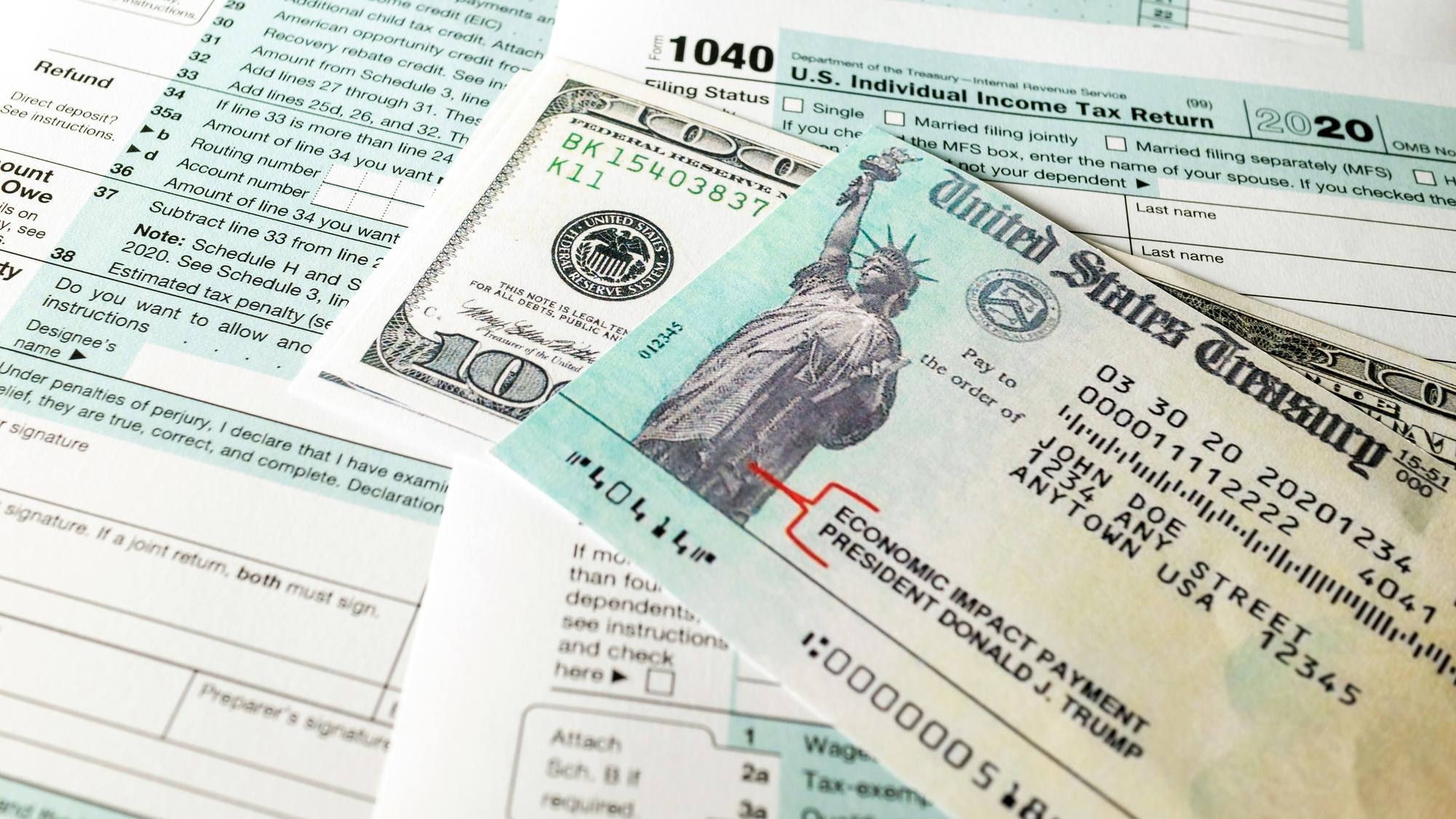
A tax refund of $3,000 can cover two months of rent, a semester of child care, or a car repair that keeps someone employed. For the tens of thousands of filers whose paper refund checks are stolen from mailboxes every filing season, that money doesn’t just vanish once. It vanishes twice: first when a thief intercepts the envelope, and again into a bureaucratic process that can take roughly 12 weeks to produce a replacement check.
During the 2026 filing season, the IRS has once again reissued a large volume of replacement checks to theft victims. The Taxpayer Advocate Service, an independent watchdog inside the IRS, noted in a March 2025 advisory that tens of thousands of refunds are stolen each filing season, with mail theft of paper checks among the most common methods. The agency urged filers to use direct deposit whenever possible, warning that “if their refund check is stolen, the process to get a replacement can be lengthy.”
Why paper checks carry so much risk
Paper checks are more than 16 times as likely to be lost, stolen, altered, or delayed compared with electronic payments, according to the Bureau of the Fiscal Service, the Treasury office responsible for printing and mailing federal payments. That figure comes from the bureau’s own Chief Disbursing Officer and has been cited in official communications about the government’s push to phase out paper.
The vast majority of tax refunds now arrive electronically. But the minority still sent as paper checks absorb a wildly disproportionate share of theft and delay. Picture a single parent in a rural area without a bank account who files in February expecting a refund by April. If that check is stolen from the mailbox and cashed by someone else, the filer could be waiting until June or later for a replacement, all while rent, utilities, and groceries go unpaid. The average individual refund this filing season has hovered around $3,100, according to IRS filing season statistics. For households living paycheck to paycheck, that is not a windfall. It is a lifeline.
“I’ve had clients call me in tears because they were counting on that refund to keep the lights on,” said one enrolled agent who prepares returns for low-income filers in the Southeast and asked not to be named to protect client confidentiality. “You tell them it could be three months before they see a replacement, and they just go silent. There’s nothing I can do to speed it up.”
What the replacement process actually looks like
Everything hinges on one question: did the thief cash the check?
If the check was not cashed, the IRS can cancel the original and issue a new one within about four weeks, according to the agency’s refund guidance.
If the check was cashed, the timeline stretches considerably. The Bureau of the Fiscal Service sends the taxpayer a claim package that includes a copy of the cashed check so the filer can verify whether the endorsement is theirs. The BFS review alone can take up to six weeks. Stack that on top of the initial trace period and internal IRS processing, and filers without a bank account on file face a wait of approximately 12 weeks before a replacement arrives.
The step-by-step mechanics are laid out in the Internal Revenue Manual, the IRS’s internal procedures guide. It specifies when a representative can initiate a refund trace, how long the agency waits before declaring a check lost, and when the case gets handed off to the Bureau of the Fiscal Service. Each handoff adds days or weeks to the calendar.
What to do if your refund check is stolen
Taxpayers who expected a paper refund check and never received it should act quickly:
- Confirm the check was mailed. Use the IRS Where’s My Refund? tool or the IRS2Go mobile app to verify the status.
- Request a refund trace. Call the IRS at 800-829-1954 or have your tax professional initiate a trace. You can also mail Form 3911 (Taxpayer Statement Regarding Refund). The IRS generally advises waiting at least 28 days after the mailing date before starting a trace.
- Respond immediately to any claim package. If the Bureau of the Fiscal Service determines the check was cashed, you will receive paperwork asking you to verify the endorsement. Returning it quickly can shave weeks off the review.
- Contact the Taxpayer Advocate Service. If more than 12 weeks have passed with no resolution, or if the delay is causing serious financial hardship, the Taxpayer Advocate Service may be able to intervene.
- Set up direct deposit for next time. Filers can add bank account information when they file their return. For those without a traditional bank account, prepaid debit cards that accept direct deposits are one alternative worth exploring.
Stolen-check data remains frustratingly opaque
No public IRS or BFS dataset breaks out an exact count of stolen refund checks for the 2026 filing season, and no year-over-year comparison is available. The “tens of thousands” figure cited by the Taxpayer Advocate Service is a recurring seasonal estimate, not a precise tally from a single audited report. Without granular data, it is impossible to say definitively whether the problem is growing, holding steady, or shrinking relative to the total volume of paper checks mailed.
What is known is that a significant share of paper-check recipients may not have a choice in the matter. The most recent FDIC National Survey of Unbanked and Underbanked Households, published in 2023, estimated that about 4.2 percent of U.S. households had no bank account. No IRS dataset links that population directly to paper refund recipients, but the overlap is intuitive: if you don’t have a bank account, you can’t elect direct deposit. And if theft risk falls most heavily on those filers, the 12-week replacement window functions as a concentrated penalty on people who already have the fewest financial alternatives.
Congress has floated fixes, but nothing is operational yet
A House Ways and Means Committee report, H. Rept. 119-41, describes procedures that would let eligible taxpayers whose paper refund check was lost or stolen elect direct deposit for the replacement amount. That language signals legislative interest, but as of June 2026, no primary source confirms that those provisions have been signed into law or are available to filers this season. The gap between committee language and on-the-ground practice leaves taxpayers in limbo: requesting a direct-deposit replacement may or may not be a real option right now, depending on whether the proposal has advanced beyond the committee stage.
A thief needs seconds to steal a check the government needs months to replace
The core math of this problem is brutal. A thief can pull a check from an unlocked mailbox in seconds. The federal government needs up to 12 weeks to replace it. In between, the filer has no refund, limited recourse, and often no bank account to receive a faster electronic payment even if one were offered.
The strongest safeguard available today is also the simplest: direct deposit. For filers who can set it up, it eliminates the mail-theft risk entirely. For those who cannot, the tax system’s promise of a timely refund collides with the realities of postal theft and layered bureaucratic review. Until the IRS publishes more precise data on the scope of the problem and legislative fixes move from committee reports to operational policy, paper refund checks will remain one of the most vulnerable points in the federal payment system. The people waiting on them are the ones who can least afford the wait.