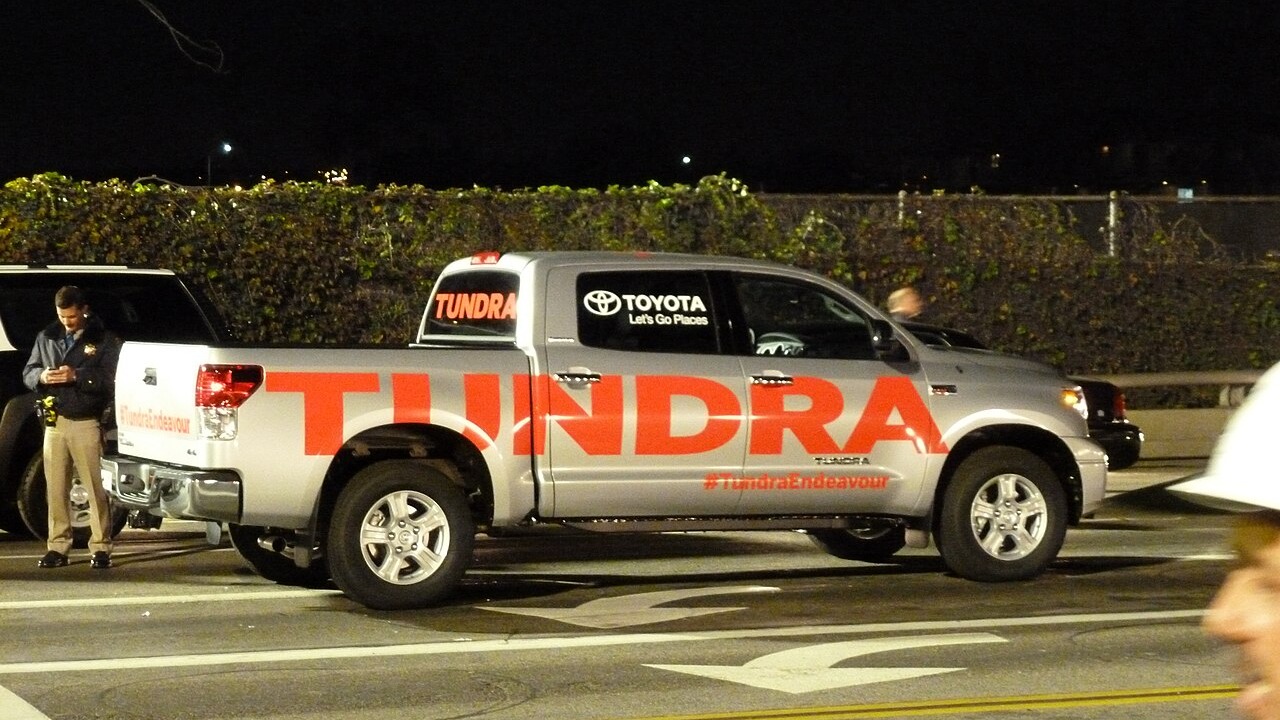
Owners of certain Toyota Tundra trucks face a direct safety risk after the automaker issued a recall covering more than 43,000 vehicles because of engine debris that can stall the motor without warning. The recall, filed with the National Highway Traffic Safety Administration under campaign number 26V320, targets Tundras with manufacturing contamination that can cut off oil flow and shut down the engine mid-drive. The action follows earlier recalls tied to the same type of defect, raising pointed questions about whether Toyota has fully resolved the problem at its source.
Why 43,000 stalling Tundras demand attention right now
A sudden engine stall on a highway or during a merge strips a driver of power steering and power brakes in an instant. That is the scenario facing owners of the affected trucks covered by recall 26V320. Metal debris left inside the engine during manufacturing can break free, block oil passages, and starve critical components of lubrication. Once oil flow drops, the engine can seize or shut down, and the truck is left coasting with limited control, especially at higher speeds or in dense traffic.
The recall is not an isolated episode. Toyota has already conducted earlier engine-debris-related stalling recalls affecting both the Tundra and the Lexus LX, according to prior coverage of those campaigns. That history turns a single recall into a pattern. When the same failure mode recurs across model lines and production runs, the logical explanation points toward a persistent gap in supplier quality checks or assembly-line contamination controls. Whether that gap has been fully closed in trucks rolling off the line today is a question Toyota has not publicly answered with detailed data or a transparent timeline.
NHTSA filing and earlier recalls trace a recurring engine flaw
The federal safety record anchoring this recall is NHTSA campaign 26V320, which identifies debris contamination inside the engines of certain Tundra trucks. Dealers are expected to inspect affected vehicles and, where necessary, replace the engine entirely at no cost to owners. The scope of the fix signals that the debris cannot simply be flushed out or captured by an oil filter. It sits deep enough in the engine to cause irreversible damage once it moves, and the only reliable remedy is a full replacement.
The earlier recalls Toyota conducted for the same debris-driven stalling issue extended beyond the Tundra to include Lexus LX models. Both nameplates share powertrain architecture, which means the contamination likely entered through a common engine assembly or supplier process rather than a problem unique to one vehicle line. That shared origin is significant because it widens the potential footprint of the defect beyond what any single recall number captures, and it underscores how a single weak point in a global supply chain can ripple across multiple brands and segments.
No public data from Toyota or NHTSA details how many engines have already failed in the field, how many owners reported stalling incidents before the recall was filed, or whether any crashes resulted from the defect. Those gaps matter. Without complaint counts, incident narratives, or crash data tied specifically to this debris issue, it is difficult for owners, safety advocates, or used-vehicle buyers to measure how urgently they need to act or how long the problem may have gone undetected before regulators intervened.
Unanswered questions about Tundra engine contamination
Several critical details are missing from the public record. Neither the NHTSA filing nor available reporting identifies the specific manufacturing plant or production date range responsible for the contamination. That information would help owners determine whether their truck falls within the highest-risk group and would offer clues about whether the problem stemmed from a particular machining line, a batch of parts from a supplier, or a breakdown in cleanliness protocols during assembly.
There is also no clear explanation yet of how the debris escaped existing quality checks. Modern engine plants typically rely on a mix of automated washing systems, filtration, borescope inspections, and sample tear-downs to keep metal shavings and other contaminants out of finished engines. If debris still made it into production units in sufficient quantity to trigger multiple recalls, that suggests either an unexpected failure mode that existing controls did not anticipate or a lapse in enforcing those controls consistently over time.
For owners, the uncertainty extends beyond the specific VIN list in 26V320. Drivers whose trucks are not currently covered may still wonder whether similar contamination could be present at lower levels that have not yet produced symptoms. Without a more detailed public accounting from Toyota about the root cause, the date range of the problem, and the corrective steps taken in the factory, it is difficult to draw a clear line between vehicles that are safe and those that are not.
The recall also raises broader questions about how quickly manufacturing defects are identified and escalated inside large automakers. If field reports of stalling emerged gradually over months, internal investigators would have needed to trace them back to a common engine build window and then confirm debris as the culprit. How long that process took, and whether earlier warning signs were missed or discounted, remain unknown outside the company and the regulators reviewing its submissions.
Until more answers surface, the practical advice for Tundra owners is straightforward: check recall status by VIN, schedule repairs promptly if the truck is covered, and report any stalling, loss of power, or unusual engine noises to a dealer and to NHTSA. The underlying contamination issue may be complex, but the risk it poses on the road is simple and immediate-an engine that can quit without warning leaves little margin for error at highway speeds.