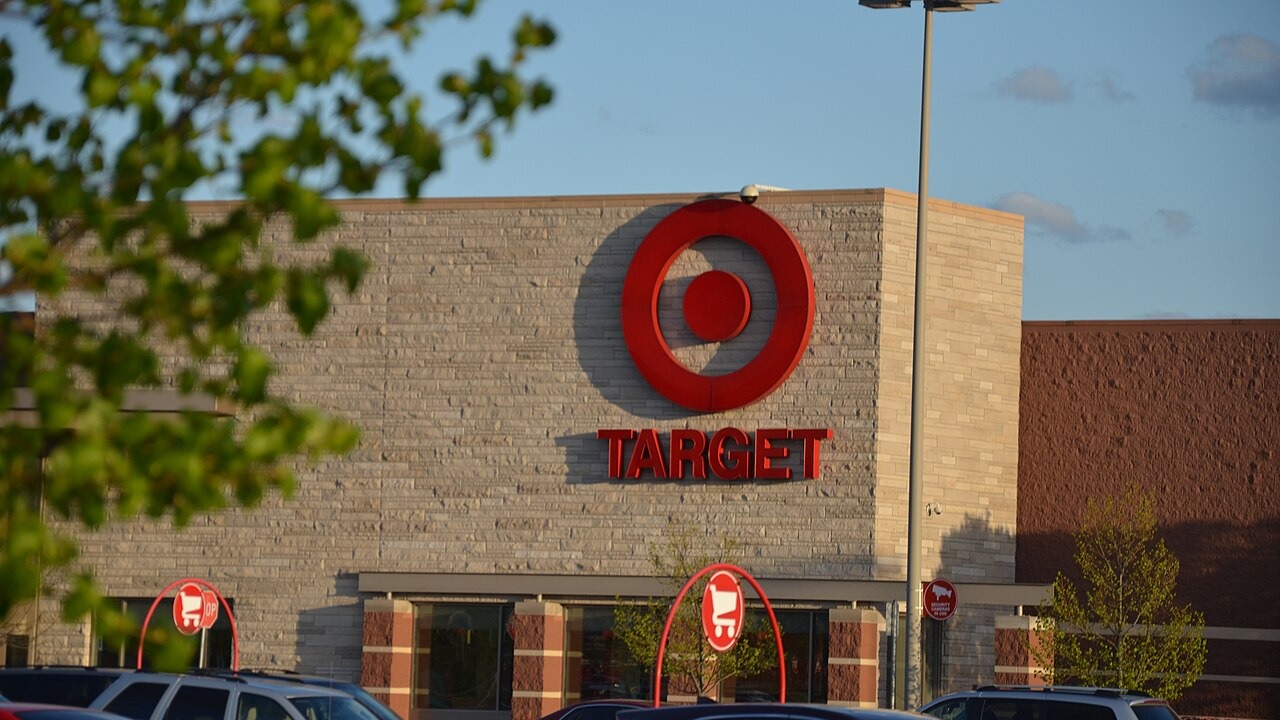
Two of the biggest names in American retail are going their separate ways, and shoppers who have gotten used to browsing prestige cosmetics inside their local Target will notice the change. Ulta Beauty is winding down the shop-in-shop concept it ran inside hundreds of Target locations, ending a partnership that once looked like a marquee example of two retailers joining forces.
The split is not a bankruptcy or a sign of distress at either company. It is a mutual decision to let a five-year arrangement expire, and it says a good deal about how large retailers now think about owning their most profitable categories rather than renting them out.
The size of the breakup
The partnership reached more than 600 Ulta Beauty at Target shop-in-shops before the two companies decided not to renew it. That footprint fell short of the original ambition. When the deal launched, the partners had talked about scaling to roughly 800 locations, a target they never reached.
Both companies have confirmed the wind-down publicly. In a joint announcement, Target said the two retailers would conclude the partnership in 2026, with the transition set to play out over the course of the year rather than all at once. The shop-in-shops, which carved out around 1,000 square feet of premium beauty space inside participating stores, will be dismantled on that timeline.
Why the two are parting ways
The arrangement made sense on paper when it began. Ulta gained exposure to Target’s enormous foot traffic, and Target gained access to prestige beauty brands that draw a loyal, high-spending shopper. But the economics of splitting that business between two partners proved harder to sustain than the marketing suggested, as a Forbes analysis of the breakup detailed.
Beauty is one of the highest-margin categories in general retail, and it has become a battleground precisely because it holds up even when shoppers pull back on other discretionary spending. That makes it a category a big retailer would rather control outright than share. Target is not exiting cosmetics — it is reclaiming the space. The company plans to convert the roughly 1,000-square-foot areas once occupied by Ulta into its own Target Beauty Studio concept, keeping full control over the assortment and merchandising in that valuable real estate.
Ulta, for its part, gains the freedom to focus on its own stores and its digital business without splitting the customer relationship with a partner. Each company walks away able to pursue the lucrative beauty shopper on its own terms.
What changes for shoppers
For customers who bought Ulta products during a Target run, the most immediate question is where those purchases and rewards now live. The Ulta counters inside Target will disappear as the year progresses, and shoppers who want the full Ulta assortment will need to visit a standalone Ulta store or its website. According to a store-changes roundup from FinanceBuzz, the partnership is set to end in August 2026, giving both retailers a runway to manage the handoff.
The transition is designed to be gradual rather than abrupt, which softens the disruption. Target shoppers will still find beauty products on the shelves; the branding and the specific mix of prestige lines are what shift. Anyone carrying loyalty points or store credit tied to the Ulta-at-Target program would do well to confirm how those balances carry over, since rewards programs can change terms when a partnership dissolves.
The retirement-age angle
At first glance a beauty-counter reshuffle seems far removed from a retirement plan, but the story carries a lesson that applies well beyond cosmetics. The reason Target wants that square footage for itself is the same reason the category matters to investors: beauty is durable, high-margin spending that holds up across economic cycles. Retailers fight over categories that keep earning through downturns, and understanding which parts of a business are truly profitable is exactly the kind of analysis that separates a resilient retail stock from a fragile one.
For older investors who hold retail names in a portfolio, partnerships like this one are worth watching not for the drama but for what they reveal about strategy. A company reclaiming a profitable category and cutting out a partner is often a sign of confidence and financial strength, the opposite of the distressed closures dominating retail headlines this year. Reading the difference between a company retreating and a company repositioning is a skill that pays off when deciding which retailers belong in a long-term holding.
For shoppers on a fixed income, the practical impact is small but real. Prices, promotions and the specific brands carried can all shift when a retailer changes who runs its beauty section. Comparing what Target’s in-house studio offers against a nearby Ulta store — on both selection and price — is the straightforward way to make sure the change does not quietly cost more at the register.
A clean exit, not a collapse
Unlike the bankruptcies and forced liquidations filling retail news this year, the Ulta and Target parting is an orderly one. Both companies remain financially healthy, both keep chasing the beauty shopper, and both have a plan for the space and the customers involved. The partnership simply ran its course, and each side concluded it could do better alone.
The broader takeaway is that even successful collaborations have a shelf life, and the end of one does not always signal trouble. Sometimes it signals that a valuable business is worth keeping entirely in-house. For customers, the job is to track where favorite products land next. For investors, it is to notice which companies are strong enough to want a profitable category all to themselves.
This article was produced with AI assistance and reviewed before publication.
Free tool for readers: It’s free, takes about five minutes, and there’s no sign-up to see your result: get your free Retirement Safety Score — a 0–100 number plus a few personalized steps for making your money last.