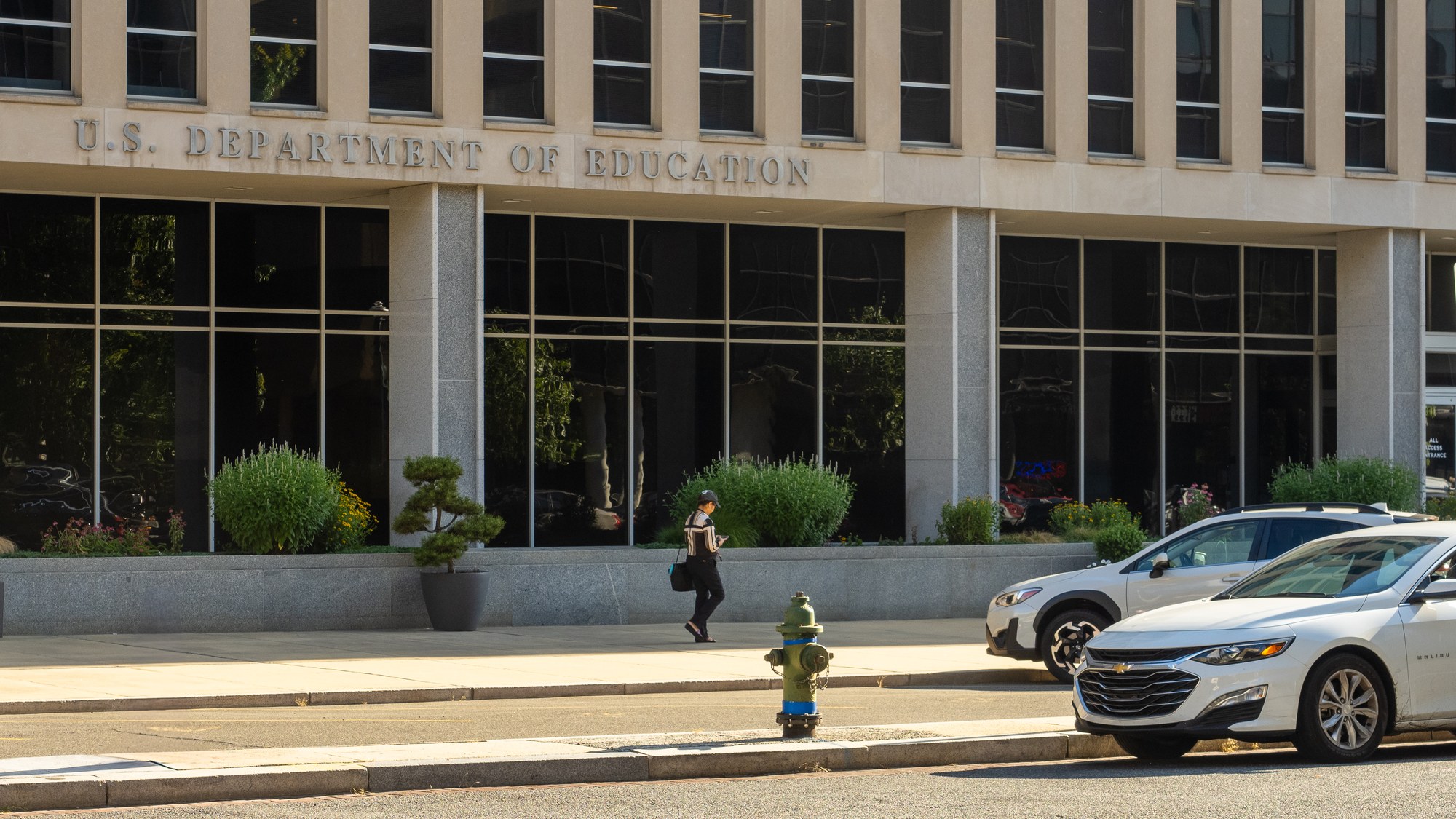
Borrowers counting on Public Service Loan Forgiveness to erase their student debt face a new obstacle. The U.S. Department of Education finalized a rule that redefines which employers qualify for PSLF, effective July 1, 2026. Organizations found to have a “substantial illegal purpose” will be stripped of qualifying status, putting their employees’ loan-forgiveness timelines at risk. California Attorney General Rob Bonta has already filed suit to block the change, calling it a broken promise to public servants.
How the July 1 employer rule reshapes PSLF eligibility
The final rule amends 34 CFR 685.219, the regulation that governs which employers count toward the 120 qualifying payments required for forgiveness. In its announcement of the final PSLF regulations, the Education Department explained that it may exclude organizations with a substantial illegal purpose from the program, describing the change as a way to protect taxpayers and tighten oversight of participating employers. The department’s earlier notice of proposed rulemaking, which previewed these changes to the public service programs, listed examples of disqualifying conduct such as support for terrorism, immigration-law violations, discrimination, and child abuse. The final rule was published in the Federal Register on October 31, 2025, under document number 2025-19729, and the Government Accountability Office confirmed the July 1, 2026, effective date in its major-rule report.
The practical effect is direct. A nonprofit or government agency that the department determines has crossed the “substantial illegal purpose” threshold could lose its qualifying status. Any borrower employed there would stop accumulating credit toward forgiveness, even if that person had nothing to do with the employer’s alleged conduct. The rule does preserve credit for payments made before the effective date, but future eligibility now depends on employer-level reviews that did not exist under prior regulations. Borrowers who have spent years in qualifying public service could suddenly find that only a portion of their careers continues to count, forcing them either to change jobs or accept a longer path to cancellation.
The department has framed the change as a targeted safeguard. In its description of the final PSLF framework, officials emphasized that the authority to disqualify employers will be used to prevent federal subsidies from flowing to organizations engaged in serious wrongdoing, while maintaining relief for borrowers who work for compliant public and nonprofit entities. The agency has not released a numerical threshold for what constitutes a “substantial” illegal purpose, nor has it identified specific organizations that are likely to be affected. As a result, the scope of the rule remains uncertain for hospitals, universities, and other large employers with complex compliance histories.
One hypothesis circulating among policy watchers is that nonprofit employers will begin submitting voluntary legal-compliance affidavits to the Education Department before July 1 to preempt disqualification, creating an informal pre-clearance queue. No provision in the published rule or accompanying guidance describes such a process. The department has not announced any self-certification mechanism, and the Federal Register entry contains no compliance checklist for employers. Without a formal channel, organizations that want to confirm their standing have no clear path to do so before the rule takes effect.
For borrowers, the uncertainty cuts two ways. Some may feel pressure to leave positions at controversial or heavily scrutinized organizations, even absent any formal finding of a substantial illegal purpose. Others may decide to stay put and hope that their employer is never reviewed or sanctioned. Financial-aid counselors and loan servicers will likely face new questions they cannot definitively answer, because eligibility will hinge on future enforcement decisions rather than static employer categories.
California’s lawsuit and the legal fault lines
Attorney General Bonta filed suit against the administration, alleging violations of the Administrative Procedure Act and the Higher Education Act. The complaint argues that the Education Department exceeded its statutory authority by inserting a conduct-based test into employer eligibility. Bonta framed the challenge on behalf of state and local government entities and nonprofits that rely on PSLF to recruit and retain workers in public-interest roles, warning that the new rule will make it harder to attract teachers, nurses, and other critical staff. “Public servants deserve what they were promised,” Bonta said in announcing the case.
The lawsuit raises two distinct questions. First, whether the Higher Education Act gives the department the power to disqualify employers based on their organizational conduct rather than their tax status or governmental function. Congress created PSLF to encourage borrowers to work for government and certain nonprofits, and California contends that the statute does not authorize the agency to superimpose an additional moral or legal screening test on top of those categories. Second, the suit challenges whether the rulemaking process satisfied APA requirements for notice, comment, and reasoned explanation, arguing that the department did not adequately respond to concerns about retroactivity, fairness to employees, and the vagueness of the “substantial illegal purpose” standard.
Legal experts expect the case to turn in part on how courts view the department’s explanation that the rule is needed to protect the integrity of PSLF. The agency’s justification, laid out in its final-rule summary, stresses that taxpayers should not subsidize forgiveness for borrowers working at organizations whose primary activities violate the law. California counters that punishing employees for their employers’ alleged misconduct is arbitrary and capricious, especially when those employees may have no knowledge of or control over the contested behavior.
Until the courts rule, borrowers have limited options. They can monitor whether their employers face investigations or public allegations that might draw the department’s attention, and they can consider diversifying their qualifying employment history by working for clearly eligible entities such as mainstream government agencies or widely recognized charities. But the core tension remains unresolved: a federal effort to tighten oversight of PSLF employers now collides with state-level claims that Washington is moving the goalposts for the very public servants the program was designed to help.