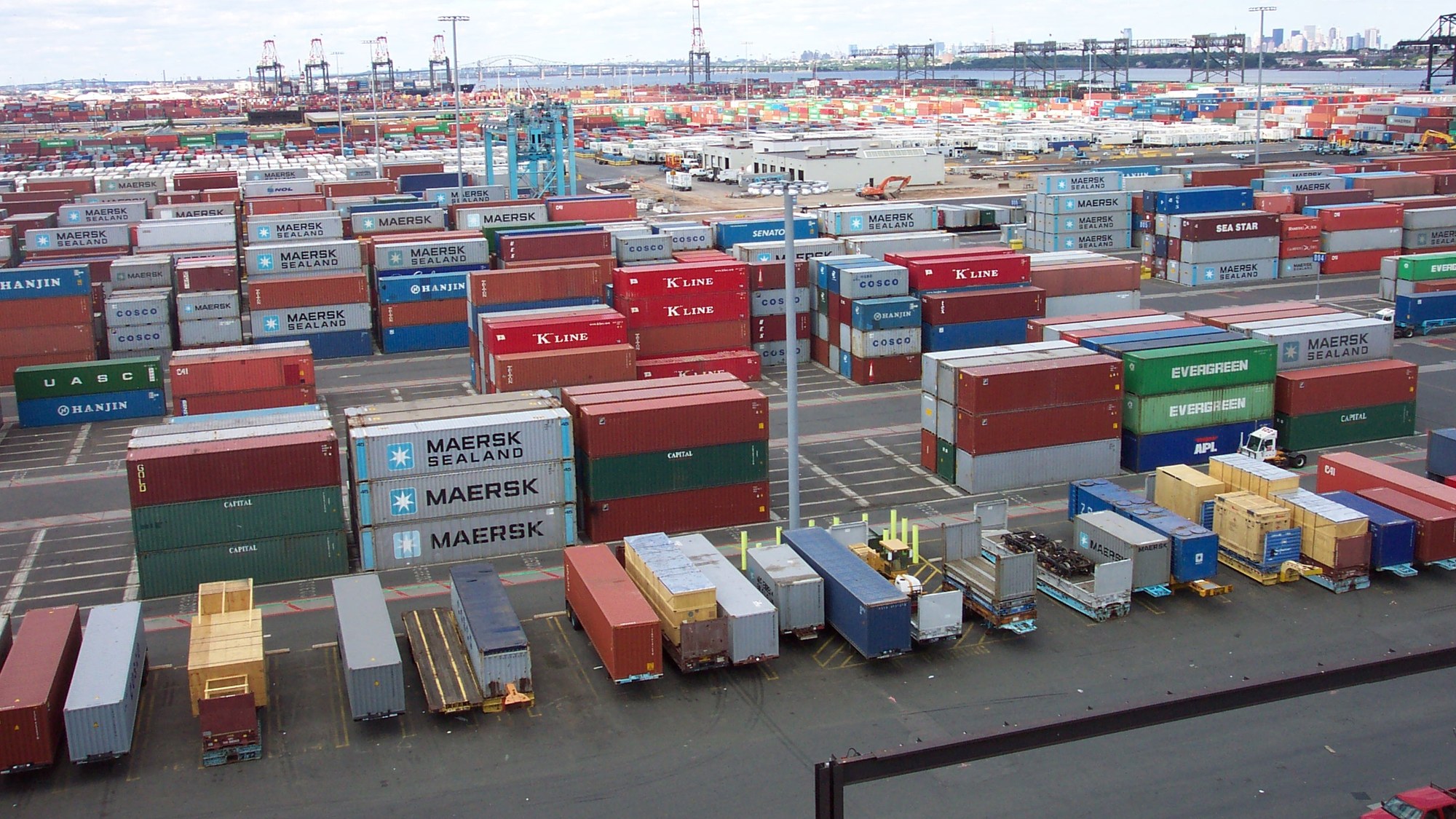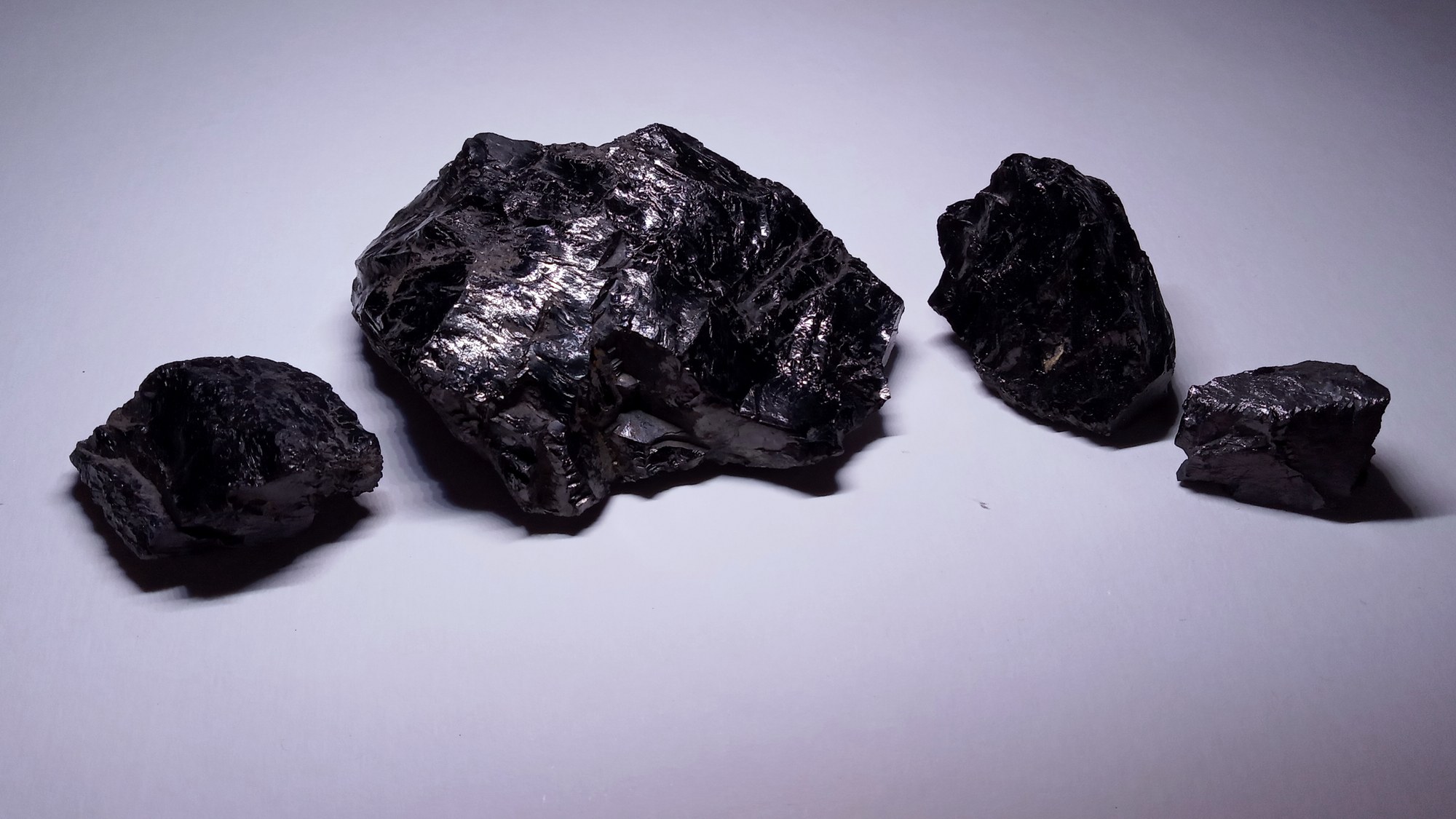
China has committed to import at least 10 million metric tons of U.S. coal in 2027 and again in 2028, the White House said in a fact sheet issued September 25 during this week’s state visit by China’s leadership. The pledge is one piece of a broader trade understanding reached through the U.S.-China Board of Trade, which the two governments say also produced consensus on tariff recommendations covering $30 billion in goods moving in each direction. The fact sheet frames the coal commitment as a follow-on to what it calls the president’s revival of the U.S. coal industry.
Inside The Senior Property Tax & Home-Cost Relief Kit: heating and cooling relief programs and the circuit-breaker credit that also covers renters, filed well outside any coal export timeline. Compare the heating and cooling relief options before winter bills arrive →
What The Fact Sheet Commits China To Buying
The commitment is specific and dated: “China will import at least 10 million metric tons of coal from the United States in 2027 and again 2028,” according to the White House’s September 25 fact sheet. The document sets a floor, “at least,” rather than a ceiling, and names two separate years rather than a single shipment, which distinguishes it from a one-time purchase order. The fact sheet does not disclose a price, a shipping schedule, or which U.S. coal-producing regions or export terminals would fulfill the volume, leaving those operational details, if any exist yet, outside the public document. It also does not state whether the volume would count toward, or apply separately from, any coal purchase commitments made in prior trade agreements between the two countries.
The Trade Consensus Behind The Coal Pledge
The coal commitment sits inside a wider understanding reached through the U.S.-China Board of Trade, which the same fact sheet says produced consensus on tariff recommendations covering $30 billion in goods moving in each direction. On the U.S. export side, the fact sheet names agricultural goods, fish, seafood, logs, wood products, cosmetics and medical devices as the non-sensitive categories eligible for favorable treatment; on the import side, it names small appliances, toys, holiday decorations and children’s car seats. The document does not state a specific tariff rate or an implementation date for either list, describing the $30 billion figure as the value of goods the two governments have agreed to recommend for that treatment rather than a change already in force. Because the fact sheet describes those tariff changes as “recommendations” rather than a finalized rule, they would still need to move through whatever regulatory or executive process each government normally uses before taking effect, a step the document does not describe.
What The Deal Leaves Open
Coal is the only commodity in the fact sheet that carries a numerical purchase commitment; no figures appear for soybeans, liquefied natural gas or other agricultural or energy exports Washington has pressed China to buy in past trade rounds. The document also states that “the U.S. and China continue to work on U.S. concerns regarding supply chain shortages related to rare earths,” language that describes an unresolved negotiation rather than a completed agreement, unlike the coal and tariff-recommendation items. Nothing in the fact sheet addresses what happens if China’s coal purchases in 2027 or 2028 fall short of the 10-million-ton floor, since the document states the commitment without describing an enforcement or remedy mechanism.
How Big The Pledge Is Against What The U.S. Already Exports
The Energy Information Administration’s own quarterly data puts a number on the base the China pledge would add to: U.S. coal exports totaled 23.7 million short tons in the first quarter of 2026 alone, up 0.9% from the fourth quarter of 2025, split between 10.4 million short tons of steam coal and 13.3 million short tons of metallurgical coal, according to the EIA’s quarterly coal report. Measured against that single-quarter figure, a 10-million-metric-ton annual floor to one buyer is a meaningful but not overwhelming addition to a export flow that already moves roughly that much every three months across all destinations. The EIA release also puts the average per-ton export price at $114.22 for the quarter, a figure the White House fact sheet does not attach to the China pledge at all.
How A Coal Trade Pledge Connects To A Power Bill
Coal remains one of the fuels U.S. utilities burn to generate electricity, so a larger export market for American coal touches the same domestic supply chain that feeds coal-fired power plants, even though an export commitment and a domestic price or rate decision are governed by entirely separate processes. The fact sheet makes no claim about what the coal pledge means for a household’s electricity rate, and state utility commissions, not a bilateral trade agreement, are what actually set the price on a residential power bill. An export commitment describes coal leaving U.S. ports for another country; it does not by itself describe how much coal a domestic utility burns or what it charges a ratepayer for the electricity that results, two separate questions neither the fact sheet nor the EIA’s export data addresses.
The Money Question Still Sitting With Local Relief Programs
Whatever the coal pledge eventually does to the broader energy market, the relief programs that lower an individual household’s property-tax or utility bill run on a separate track entirely, administered by state and local governments rather than by any trade agreement with Beijing, and neither the fact sheet nor the EIA’s export data says anything about them.
What The Coal Pledge Doesn’t Put On A Utility Bill
The fact sheet fixes a floor on how much U.S. coal China will import through 2028, but it does not fix what a retiree pays for electricity or heating this winter, since those rates are set separately by state regulators and local utilities. A trade commitment measured in metric tons and calendar years is not the same instrument as a property-tax freeze or a utility bill-credit program, and the fact sheet does not suggest otherwise.
The Senior Property Tax & Home-Cost Relief Kit lays out the 5 kinds of property-tax relief available to homeowners, the circuit-breaker credit that extends to renters, and heating, cooling and home-repair help for the months a utility bill runs highest.
Look up the 5 property-tax relief options against a current tax bill in The Senior Property Tax & Home-Cost Relief Kit.
This article was produced with AI assistance and checked against the primary sources linked above.