A year ago, a buyer in suburban Virginia who asked for a home inspection risked losing the deal. This spring, that same buyer can request repairs, negotiate closing credits, and still have time to sleep on it. The shift is showing up in hard numbers: in April 2026, new listings across the Mid-Atlantic outpaced new contracts by more than 4,300 homes. Nationally, existing-home sales flatlined during what should have been the strongest stretch of the spring market. After years of relentless seller dominance, buyers in a growing number of markets finally have room to push back.
The Mid-Atlantic gap keeps widening
The clearest evidence comes from the corridor stretching from New Jersey through Virginia. Bright MLS reported 28,060 new listings in April, an 8.1% jump from the same month a year earlier. New pending sales reached 23,739, up 5.6% year over year. Both figures are four-year highs for the region, but listings grew nearly 50% faster than contracts. That gap matters: every month supply outpaces demand, active inventory climbs, and shoppers gain more choices, more time, and more leverage on price.
The Mid-Atlantic footprint is not one market. It spans urban neighborhoods around Washington, D.C., suburban communities across Pennsylvania, and coastal towns in New Jersey and Delaware. When listings outrun contracts across that kind of geographic and economic diversity, the pattern is difficult to dismiss as a quirk of one overbuilt suburb or one cooling luxury segment.
Bright MLS also reported that the region’s median sale price in April held at $400,000, unchanged from a year earlier. That stall is notable on its own: during the pandemic boom, year-over-year price gains in this corridor routinely hit double digits. Flat prices alongside rising inventory suggest sellers are already adjusting expectations, even if headline values have not dropped.
“We are seeing buyers take their time in a way they haven’t been able to since 2019,” said Lisa Sturtevant, chief economist at Bright MLS, in the organization’s April market report. “Sellers who recognize this shift early are the ones getting offers.”
National sales stall during peak season
The regional trend aligns with what is happening coast to coast. The National Association of Realtors reported that existing-home sales were essentially flat in April, holding at a preliminary seasonally adjusted annual rate of 4.02 million. In a typical spring, warmer weather and the school-calendar clock pull more families into the market and push closing volumes higher. That seasonal lift has not shown up in 2026.
Mortgage rates shoulder much of the blame. The 30-year fixed rate has hovered near 6.8% to 7% for much of the spring, according to Freddie Mac’s weekly survey, keeping monthly payments elevated even as some sellers have started trimming asking prices. Homeowners who locked in sub-4% rates during 2020 and 2021 have little incentive to sell and rebuy at today’s costs, which chokes turnover on the supply side. On the demand side, the pool of qualified, motivated buyers is thinner than it was a year ago.
The result is inventory building in plain sight. NAR’s April data showed roughly 1.45 million homes available for sale nationwide, the highest level since early 2020. In many metros, that translates to more than four months of supply at the current sales pace, a threshold that historically tips negotiating power toward buyers.
The picture varies sharply by region
No single national dataset directly compares new listings to new contracts across every U.S. market for April 2026. The Bright MLS figures are granular and reliable for their coverage area, but they do not speak for Sun Belt or West Coast metros where local dynamics can diverge. Phoenix, for instance, has dealt with its own inventory surge tied to investor pullbacks and a wave of new construction. Parts of the Midwest, meanwhile, remain undersupplied at entry-level price points. Whether the listing-to-contract gap is as wide in those regions is not yet confirmed by publicly available data as of late May 2026.
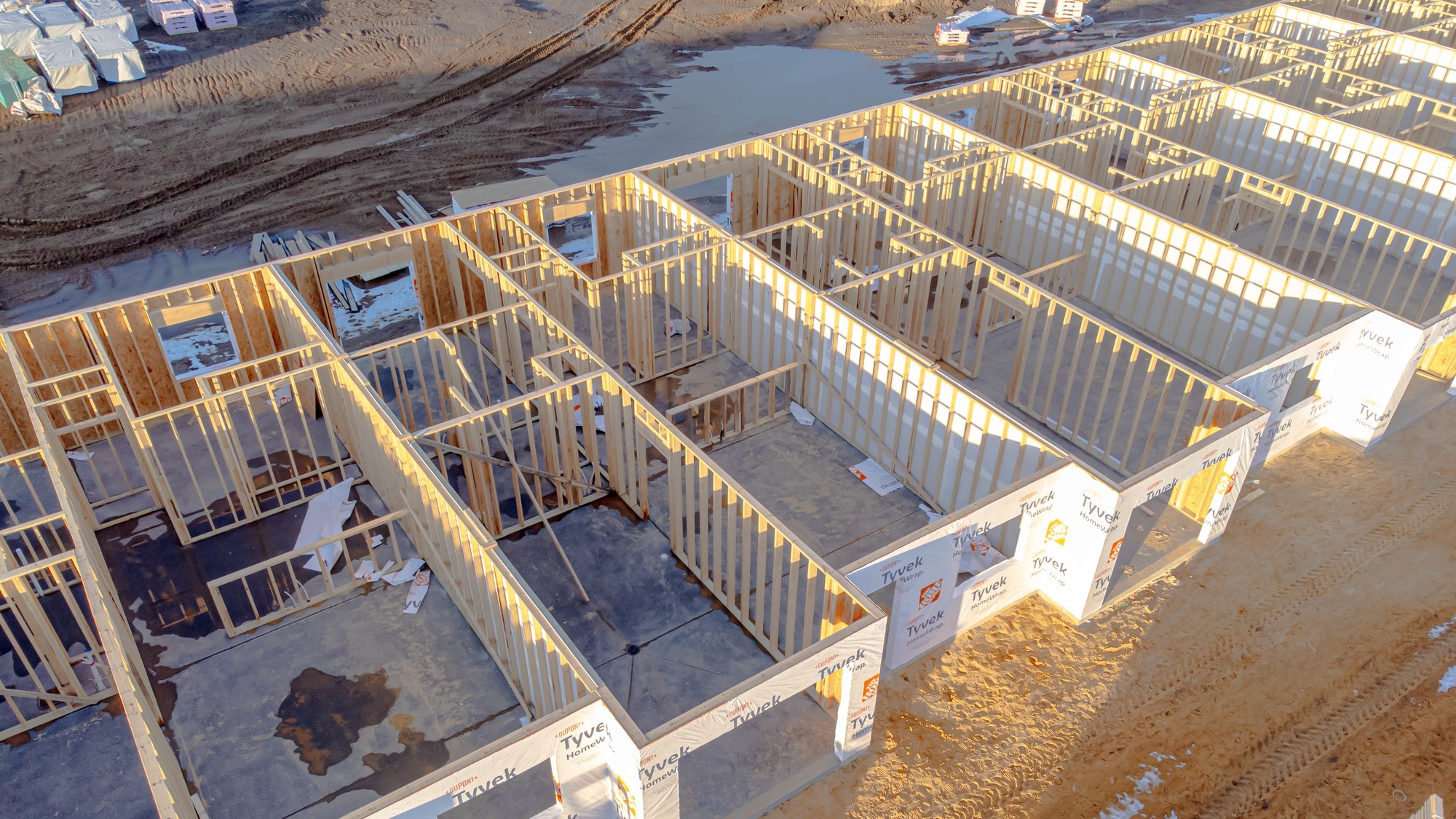
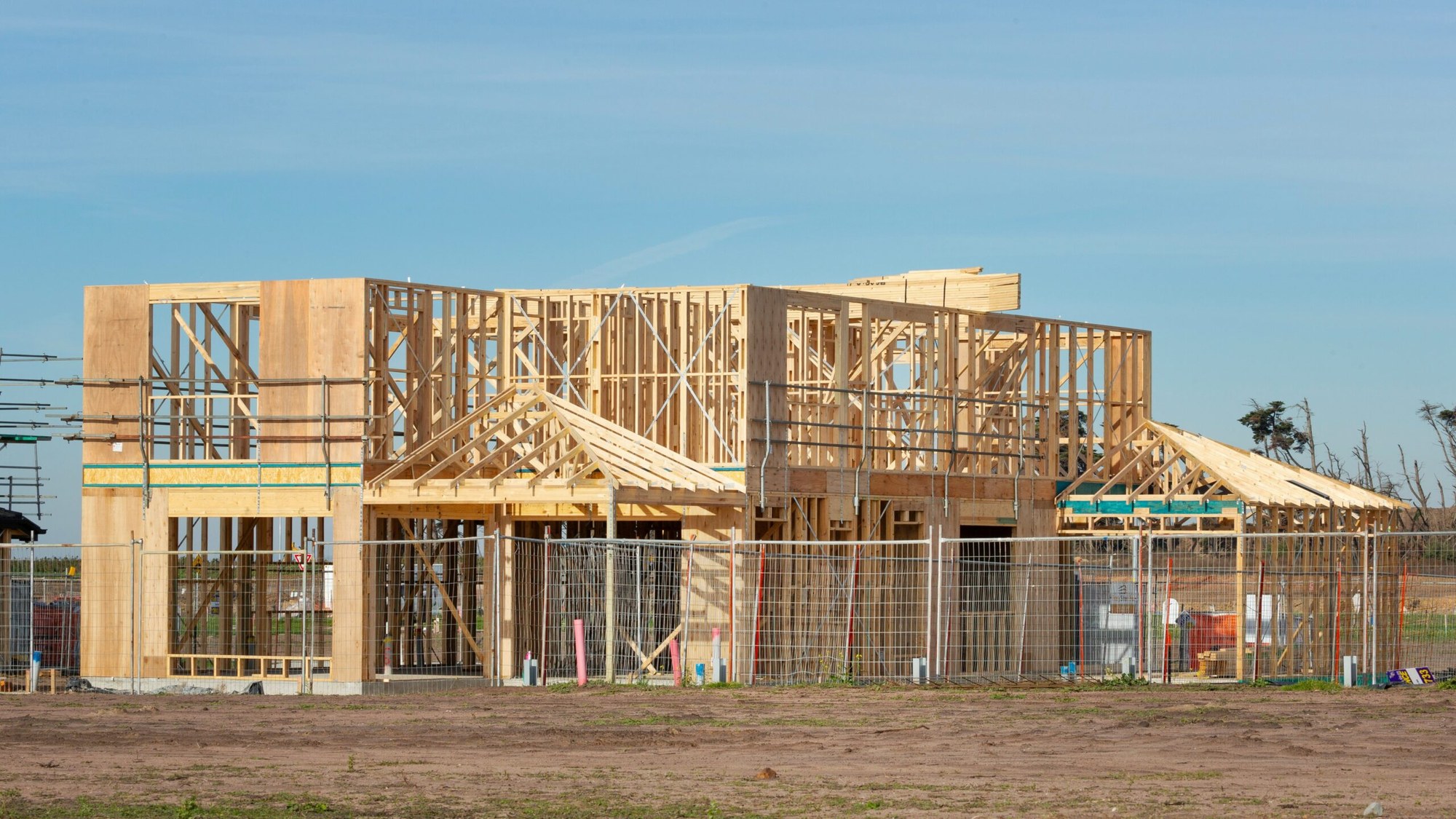
New construction adds another variable. The Census Bureau’s building permits data shows the South and West still account for the largest share of new residential permits, but permits do not equal finished, move-in-ready homes. Labor shortages, material costs, and builder financing all introduce delays, making it hard to predict when those units will meaningfully add to the resale picture.
Buyer sentiment is equally difficult to pin down. Households may be sitting out because of rates, sticker shock, concerns about job security, or some blend of all three. Those motivations can shift quickly if rates drop or economic headlines change tone, which means the current stall could reverse faster than the inventory data alone would suggest.
What this means for buyers and sellers right now
For buyers, the practical takeaway is clear but comes with a caveat: conditions are better than they have been in years, though they are not uniform. In neighborhoods with short commutes and entry-level pricing, competition can still be fierce. But in areas where listings have stacked up, buyers can keep inspection and financing contingencies in place, ask for seller concessions on closing costs, and take more than a weekend to decide. The era of waiving everything and hoping for the best is fading in much of the country.
For sellers, the adjustment is harder to swallow. Homes that are priced accurately and show well are still moving. But the strategy of listing high and waiting for a bidding war is increasingly out of step with reality. Overpriced listings are sitting longer, accumulating days on market that make future buyers wary. Sellers who price competitively from day one are far more likely to attract serious offers before their listing goes stale.
Why the Mid-Atlantic’s April numbers set the benchmark for summer 2026
The Mid-Atlantic’s April numbers offer something the national averages often lack: a clean, regional-scale comparison of supply entering the market versus demand absorbing it. As data from other regions filters in over the coming weeks, it will become clearer whether this rebalancing is concentrated along the East Coast or spreading more broadly. What is already evident is the direction. After years of tilting heavily toward sellers, the housing market is leveling out, and buyers who spent the pandemic era on the sidelines finally have numbers working in their favor.