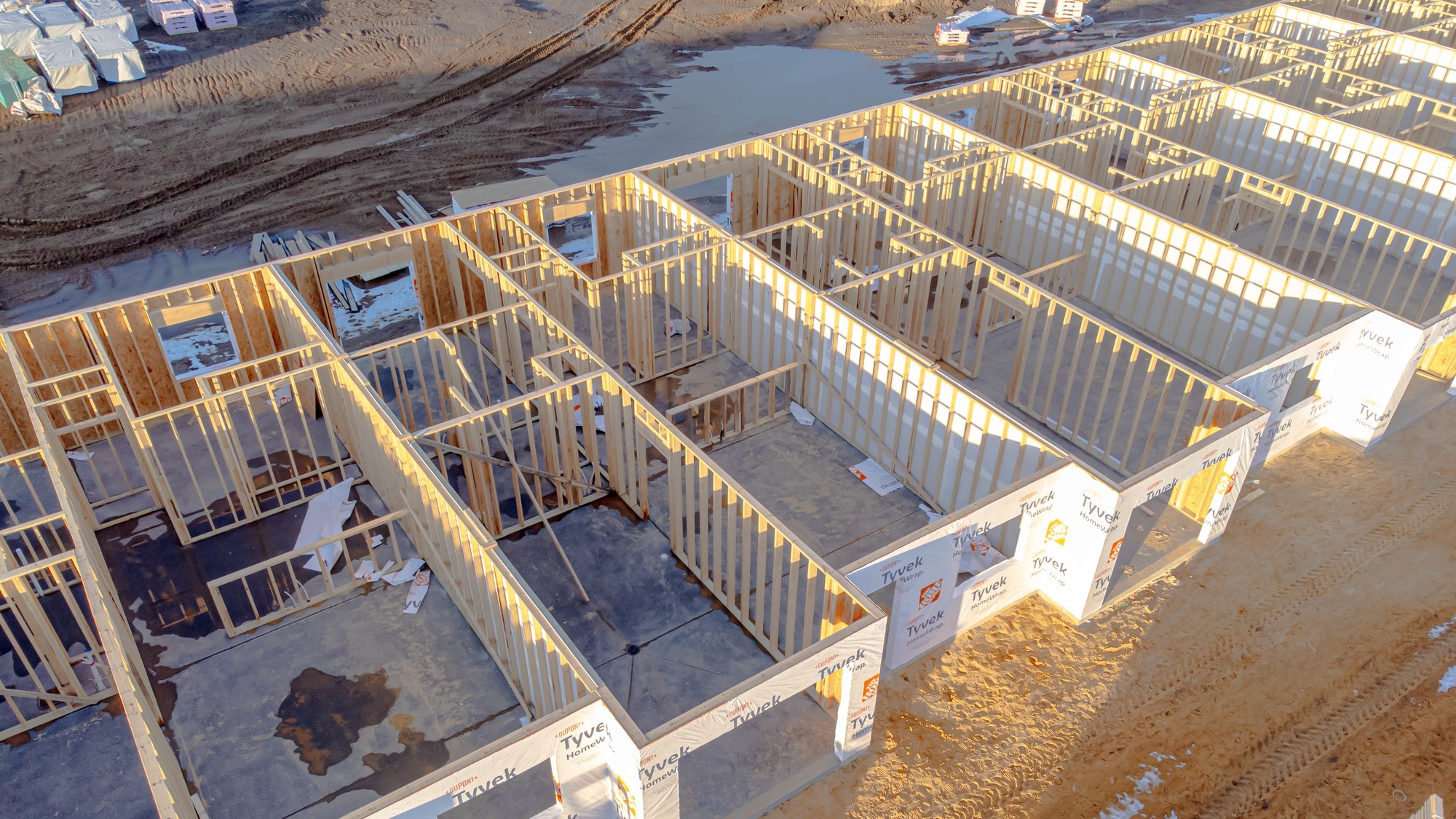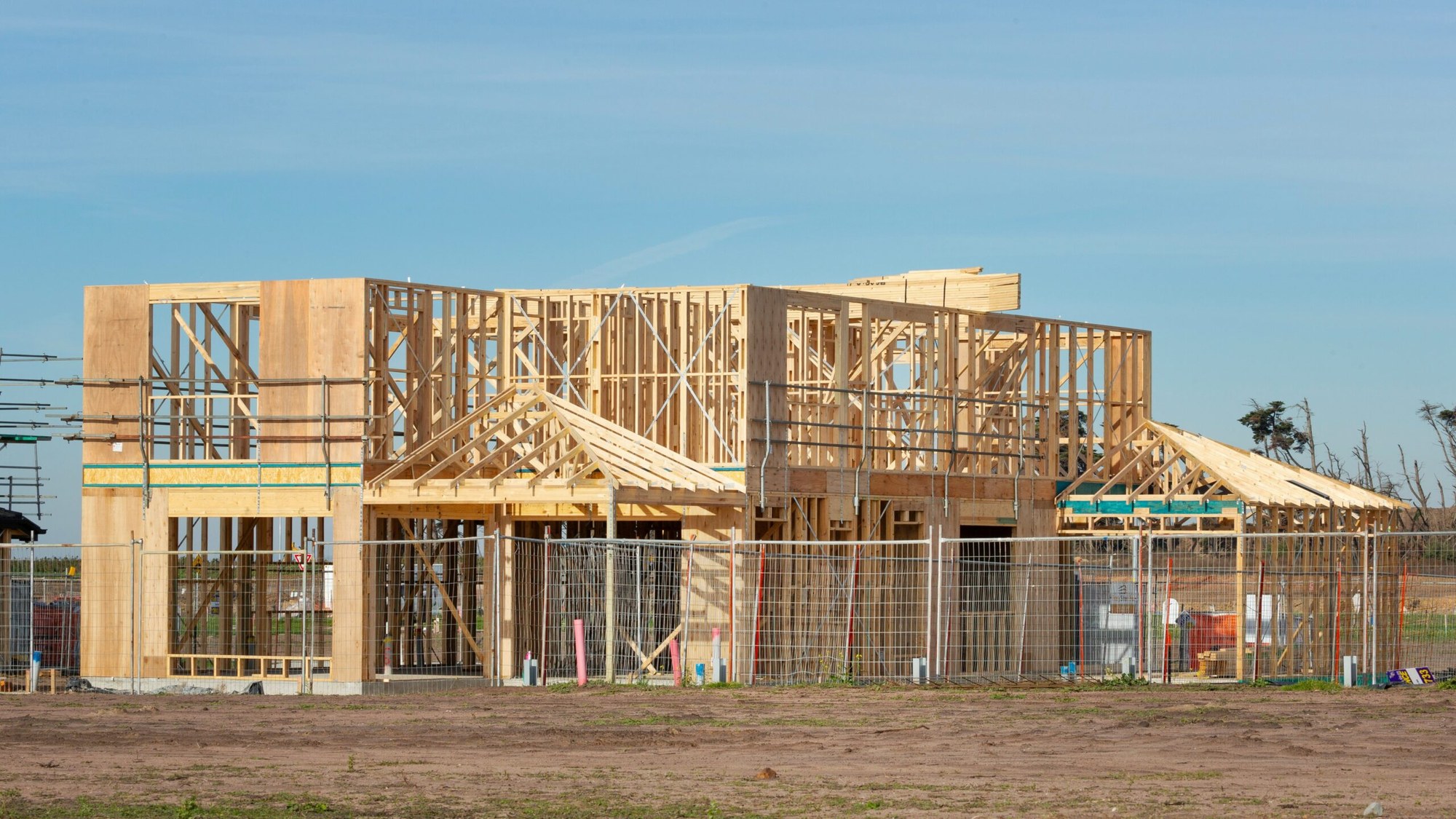
Buyers have not had this much room to maneuver since before the pandemic scrambled the housing market. The National Association of Realtors’ Housing Affordability Index has climbed for eight consecutive months through March 2026, the longest sustained improvement since mortgage rates began their sharp ascent in 2022. Active inventory hit 1.47 million homes in April, the highest level in three years, according to NAR’s monthly existing-home sales report covered by the Associated Press. For the first time since 2020, shoppers can compare options, take their time, and push back on asking prices.
Yet completed sales stayed flat in April on a month-over-month basis. The conditions are better. The deals are not materializing. That gap raises the question every sidelined buyer is asking: is this a genuine turning point, or just a lull before the next squeeze?
What eight months of affordability gains actually mean
NAR’s index tracks whether a family earning the median income can qualify for a mortgage on a median-priced existing home at prevailing interest rates. When it rises, the typical household is in a stronger position to buy. Eight straight months of gains represent the most favorable stretch buyers have experienced since rates sat near historic lows in early 2022.
Two forces are behind the streak. Mortgage rates, while still elevated compared to the sub-3% levels of 2021, have pulled back from their late-2023 peaks above 7.5%. As of late May 2026, the 30-year fixed rate sat near 6.5%, according to Freddie Mac’s Primary Mortgage Market Survey. Even a one-percentage-point drop on a $400,000 loan shaves roughly $250 off the monthly payment, and rates have fallen more than that from their peak.
The other half of the equation is income. Wage growth has outpaced home price appreciation in several recent quarters, gradually closing the gap that blew open when prices surged 30% to 40% in many markets between 2020 and 2022. Home price growth has decelerated as more listings compete for fewer frenzied buyers, and that combination of modestly lower rates, slower price gains, and rising incomes is what the index is capturing.
Where all those new listings are coming from
The 1.47 million active listings in April mark a sharp departure from the extreme scarcity that defined the market for most of the past four years. At the tightest point in early 2022, national inventory dipped below 900,000, according to Federal Reserve Economic Data tracking active listings, creating bidding wars that pushed prices to record highs and forced buyers to waive inspections, appraisals, and contingencies just to get an offer accepted.
Several forces are feeding the supply recovery. Homeowners who delayed selling during the so-called “lock-in” period, unwilling to trade a 3% mortgage for a 7% one, have gradually begun listing as life events overtake the financial calculus of staying put. Job relocations, divorces, retirements, growing families: at some point, the reason to move outweighs the rate penalty. New construction has also contributed, particularly in Sun Belt states like Texas, Florida, and Arizona, where builders have added inventory steadily and are offering rate buydowns and closing-cost incentives to attract buyers.
The national figure, though, masks enormous regional variation. Markets that saw the sharpest pandemic-era price spikes, places like Austin, Phoenix, and parts of South Florida, have generally posted the biggest inventory rebounds. Meanwhile, supply remains tight across much of the Northeast and Midwest, where new construction lags and existing owners face fewer compelling reasons to sell. A buyer shopping in Boise and a buyer shopping in Boston are navigating very different realities, even though the same national headline applies to both.
Why sales stayed flat despite better conditions
The disconnect between improving affordability and stagnant transaction volume is less contradictory than it sounds. Existing-home sales data reflects closings, not new contracts. Homes that closed in April were largely put under contract in February, before the latest wave of inventory had fully hit the market. Those February buyers were still operating under tighter conditions, which helps explain why the sales count has not caught up with the supply picture.
Buyer psychology plays a role, too. After years of being outbid, priced out, or whipsawed by rate swings, many prospective purchasers are cautious even as conditions improve. “People have been burned so many times that even when the numbers look better on paper, they hesitate,” said Jessica Lautz, NAR’s deputy chief economist, in a May 2026 briefing on the April sales data. A 6.5% mortgage rate is better than 7.5%, but it is still roughly double what buyers could lock in during 2020 and 2021. On a $400,000 home with 10% down, the difference between a 3% rate and a 6.5% rate adds about $800 to the monthly payment. That math keeps plenty of otherwise qualified households on the sideline.
Contracts signed in March and April, when inventory was higher and sellers showed more willingness to negotiate, should begin appearing in closed-sale data over the next two months. If they do, the flat April reading will look like a lag indicator, not a warning sign. If they do not, it will suggest that rates and prices still need to fall further before demand picks up in a meaningful way.
What buyers should actually take from this
The clearest takeaway is directional: the market is loosening, and buyers hold more leverage than at any point since 2020. That leverage is visible in longer days on market, fewer bidding wars, and a growing willingness among sellers to accept contingencies and price reductions. The share of listings with price cuts has been climbing steadily, according to NAR data, a signal that seller expectations are adjusting to the new reality.
National averages, however, can mislead. Buyers should focus on conditions in their specific metro area rather than assuming the 1.47 million inventory figure means their local market has suddenly tipped in their favor. In many coastal and supply-constrained cities, competition remains fierce and prices continue to climb even as the national trend softens.
First-time buyers, the group hit hardest by the affordability crisis, face an additional layer of uncertainty. NAR’s April report does not break out purchases by buyer type or income level, so it is unclear whether the affordability gains are reaching the households that were most aggressively priced out during the run-up or primarily benefiting higher-income buyers trading up in a less competitive environment. That distinction matters for the millions of renters still trying to cross the ownership threshold, and it is one the headline numbers cannot answer.
How the May and June sales reports will test this recovery
The real test arrives over the next several weeks. If inventory continues to build and mortgage rates hold steady or drift lower, the affordability index streak could extend further, and closed sales should start reflecting the improved conditions. The May and June existing-home sales reports, expected in late June and late July respectively, will show whether contracts written during the higher-inventory months are converting into actual transactions at a faster clip.
For now, the data supports a measured but meaningful read: the worst of the post-pandemic affordability crunch appears to be easing. Buyers who have been waiting for an opening are looking at the widest one in three years. It is not a return to 2019 norms, and it may not last if rates reverse course or inventory growth stalls. But after four years of a market that punished patience, patience is finally paying off.