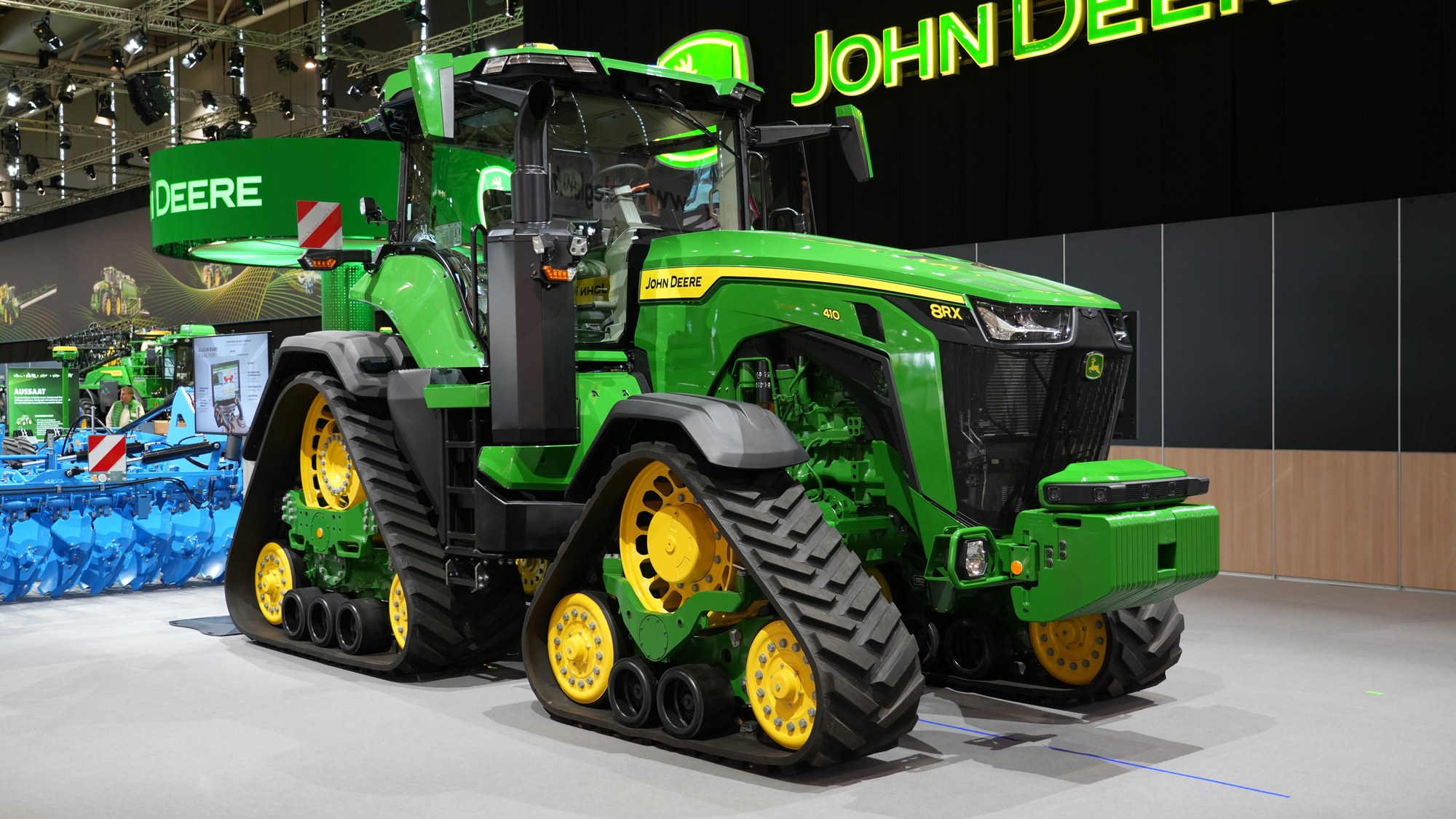
Farmers and large-equipment owners who paid John Deere or one of its authorized dealers for repairs over the past several years have until the end of the year to file a claim in a $99 million settlement. The deal resolves a multiyear antitrust lawsuit accusing Deere of restricting access to repair software and steering customers toward its own dealer network. For retirement-age farm owners and ranchers who have spent years paying dealer rates for repairs they could not do themselves, this is real money on the table, but only for those who file before the deadline.
What the Right-to-Repair Lawsuit Against Deere Alleged
The lawsuit accused Deere of withholding diagnostic and repair software from independent repair shops and equipment owners, effectively forcing customers who needed to fix large agricultural equipment to go through Deere’s own authorized dealer network at dealer-set labor rates. The suit, filed in 2022, argued this amounted to an illegal restraint on competition in the repair market for Deere’s large agricultural machinery. Deere agreed to a $99 million settlement resolving the claims without admitting wrongdoing, and a federal court granted preliminary approval to the deal in May 2026.
Beyond the cash fund, the settlement requires Deere to make diagnostic and repair tools available to equipment owners and independent repair shops for at least the next decade, a change aimed at giving farmers a real alternative to dealer-only repairs going forward.
Free retirement updates: One number can cost or save hundreds a month in retirement. The free Retirement Shield newsletter surfaces the ones worth knowing. Sign up free.
How the Case Reached a Settlement Instead of a Trial
The 2022 lawsuit built on years of complaints from farm groups and right-to-repair advocates who argued that manufacturers of complex agricultural equipment had turned routine repairs into a captive revenue stream by keeping diagnostic software proprietary. Deere maintained throughout the litigation that its repair network protected safety and product integrity, and the company has not conceded that its practices violated antitrust law. Rather than proceed to trial, both sides negotiated the settlement now moving through the claims process, a common path in cases where the cost, length, and uncertainty of continued litigation outweigh the benefit of pressing for a courtroom verdict.
Who Qualifies and the December 31 Claim Deadline
The settlement class covers people and businesses that paid Deere directly, or paid an authorized Deere dealer, for repairs on qualifying large agricultural equipment between January 10, 2018, and May 18, 2026, the date the court granted preliminary approval. Court filings describe a class of more than 200,000 potential members nationwide, reflecting how widely Deere’s large-equipment dealer network reaches into farm country.
The claim deadline, originally set earlier in the fall, was extended and now falls on December 31, 2026, according to an August 28, 2026 report on the settlement. Class members who want to object to the settlement terms instead of filing a claim have an earlier deadline of December 4, 2026. A final fairness hearing, where a judge will decide whether to grant final approval, was set for January 2027, after both the claims and objection deadlines have already passed.
What Documentation a Claim Requires
Filing a claim generally means demonstrating that repair payments were made to Deere or an authorized dealer during the eligible window. Claims administrators handling settlements like this one typically request itemized dealer service invoices that separately break out labor and parts charges, proof of payment, and the Product Identification Number or serial number for each piece of equipment that was serviced. Farmers who kept dealer invoices, whether in paper files or through an online dealer account, are in the best position to file a complete claim quickly through the official settlement portal, DeereRepairSettlement.com.
Some class members may receive a pre-filled notice by mail or email identifying specific repair transactions the settlement administrator has already matched to their name, which can simplify the filing process considerably compared to reconstructing years of invoices from scratch. Farm operations that changed hands, were incorporated, or passed to a family successor during the 2018-to-2026 window should still check eligibility under whichever entity name appeared on the original dealer invoices, since the claims administrator matches records by payer, not by current ownership.
Why This Settlement Matters Beyond the Cash Payment
For an aging farm-owner population, the cash payment is only part of the story. The requirement that Deere keep repair tools and resources available to equipment owners and independent shops for ten years addresses a complaint that has run for years among farmers nearing retirement age who often rely on a smaller, more affordable network of local independent mechanics rather than a full-service Deere dealership. A farmer weighing whether to sell equipment, hand off the operation to a family member, or continue running machinery into retirement has a direct financial stake in whether repair costs stay tied to dealer-only pricing or open up to more competitive options. Filing a claim by December 31 captures the retroactive piece of that fight; the decade-long tool-access requirement addresses the part still ahead.
This article was produced with the assistance of AI and reviewed by The Financial Wire editorial team.
More Financial Reading
- How many CDs can you park at 1 bank? FDIC rules you must know
- Bank statements: how long to keep them and when to toss them