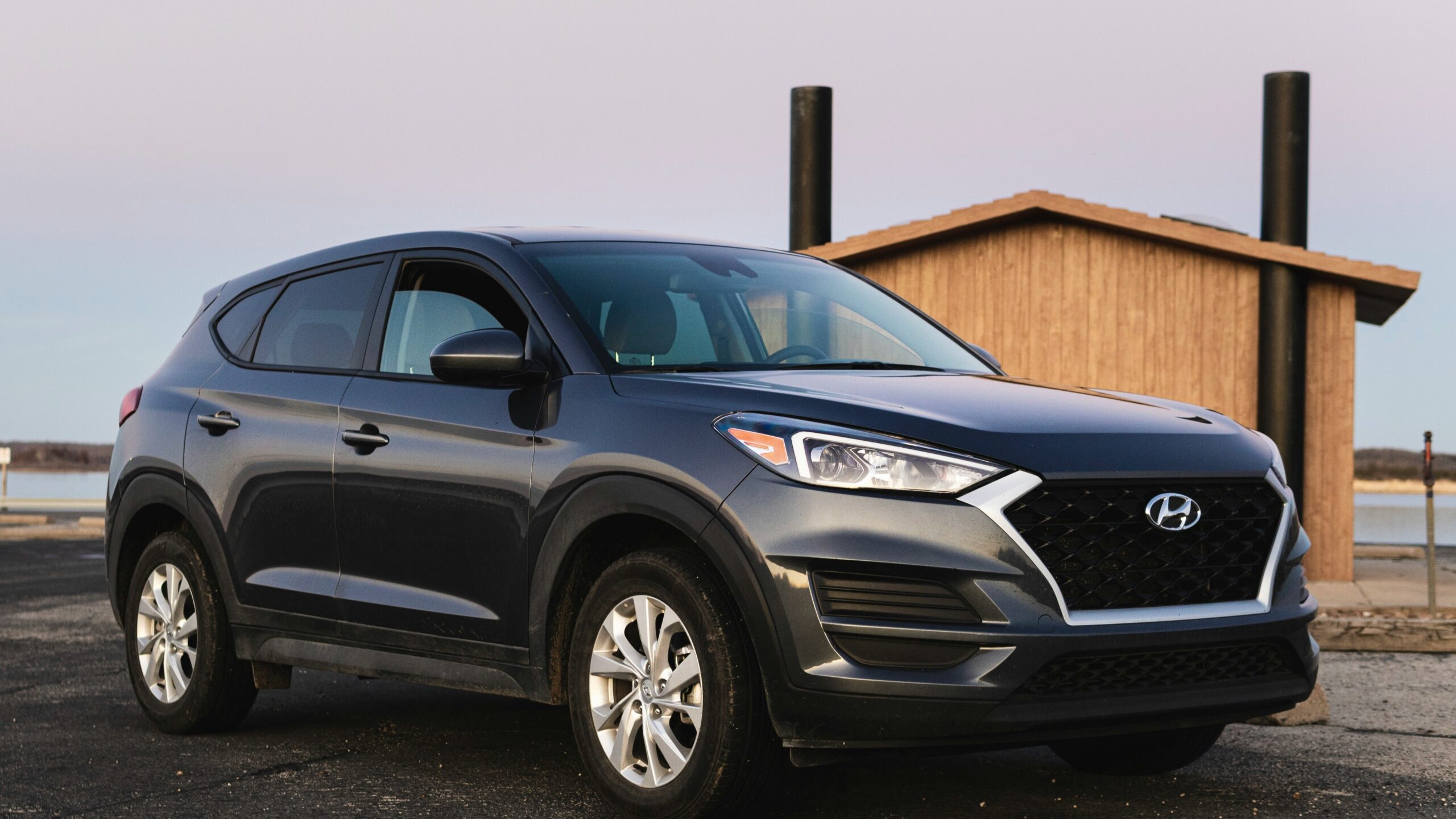
Owners of certain Hyundai and Kia vehicles equipped with a specific airbag control unit have well over a year left to file a claim in a settlement worth up to several hundred dollars per vehicle. The case resolves allegations that the control units, supplied by ZF-TRW, can fail to trigger airbags and other safety systems during a crash. For retirees who own or co-own an older Hyundai or Kia, especially a vehicle that was part of a related recall, checking eligibility takes only a VIN lookup.
The Airbag Control Unit Defect Behind the Settlement
The lawsuit, formally titled In re: ZF-TRW Airbag Control Units Products Liability Litigation and heard in the U.S. District Court for the Central District of California, alleged that certain Hyundai and Kia vehicles were built with ZF-TRW airbag control units vulnerable to a condition called electrical overstress. In simple terms, the claim was that an electrical event inside the control unit can, in some circumstances, cause the airbags and other crash-safety systems the unit governs to fail to deploy when a driver needs them most. Hyundai and Kia have not admitted the units are defective, but the companies agreed to a settlement providing $62,100,100 in payments and credits to resolve the litigation. The court granted final approval to the settlement on October 8, 2025.
The affected vehicles overlap heavily, though not entirely, with vehicles previously subject to separate federal safety recalls from Hyundai and Kia over the same ZF-TRW component, which is one reason many owners first learned about the underlying issue through a recall notice rather than the class-action settlement itself. The settlement class covers people who owned or leased an eligible Hyundai Sonata, Sonata Hybrid, Kona, Kona N, or Veloster, or an eligible Kia Forte, Forte Koup, Optima, Optima Hybrid, or Sedona, as of April 14, 2025.
Free retirement updates: A quiet rule change can shrink your Social Security or Medicare check, and no one warns you. The free Retirement Shield newsletter catches these early and tells you what to do. Get it free.
How Much Owners Can Claim, and the April 2027 Deadline
Payment amounts depend on whether a vehicle was subject to the related federal recall. Owners and lessees of a recalled vehicle with an affected control unit can claim a residual distribution payment of up to $350. Owners of an affected but unrecalled vehicle can still claim a residual payment, capped at $150. Separately, owners of a recalled vehicle can also seek reimbursement for specific documented out-of-pocket costs tied to completing the recall repair, such as rental car expenses, towing charges, childcare costs incurred during the repair, unreimbursed repair costs, and lost wages; that reimbursement option is not available to owners of unrecalled vehicles under the settlement’s terms.
Which category a vehicle falls into comes down to model year. Recalled vehicles include certain 2011-2013 Hyundai Sonatas, certain 2011-2012 Sonata Hybrids, 2010-2012 and certain 2013 Kia Fortes and Forte Koups, 2011-2012 and certain 2013 Kia Optimas, 2011 and certain 2012 Optima Hybrids, and 2011-2012 Kia Sedonas. The unrecalled-but-still-eligible group covers later Sonatas, Sonata Hybrids, Optimas, and Optima Hybrids built through the late 2010s, plus the Hyundai Kona, Kona N, and Veloster, all of which can qualify for the smaller $150 residual payment even though they were never subject to a federal recall notice over this defect.
Beyond the cash payments, the settlement created non-monetary benefits for owners of recalled vehicles. Hyundai and Kia agreed to a New Parts Warranty covering the replacement airbag control units for ten years from the settlement’s preliminary approval date, protecting against a defect in the new part itself, and the settlement funds a dedicated inspection program along with an outreach campaign aimed at pushing more owners to actually complete the recall repair, plus a rental car and loaner vehicle reimbursement program for owners still waiting on parts.
The claims window is unusually long for a settlement of this size. Both the out-of-pocket reimbursement claims and the residual distribution claims must be submitted by April 8, 2027, which the settlement’s own FAQ describes as 18 months from the final approval order. That gives affected owners well over a year from today to track down a title, registration, or old recall notice before filing. Eligibility and claim submission are tied to the vehicle’s VIN through the settlement’s online lookup tool. The deadlines to opt out of the settlement or formally object to its terms, both set for August 25, 2025, have already passed, so the settlement’s terms are now final and the only step remaining for an eligible owner is filing a claim.
Filing a Claim Through ACUSettlement.com
Claims are submitted through the official settlement website, ACUSettlement.com, either by using the online claim form after entering a VIN, or by mailing in a completed paper claim form to the settlement administrator, JND Legal Administration. Anyone unsure whether their specific Hyundai or Kia model and model year are part of the affected group should run their VIN through the official lookup tool directly, since eligibility is determined by the specific control unit installed in that vehicle, not simply the brand or general vehicle age. Background on how the settlement amount was reached, including the underlying multidistrict litigation, is summarized in independent reporting on the case.
Owners who no longer have a mailed settlement notice, perhaps because they moved, sold the vehicle since receiving it, or never received one despite owning an eligible vehicle, can still confirm eligibility using the VIN lookup tool and file a claim without the original notice in hand.
Why This Deadline Is Worth Marking Down Now
A claims window stretching into April 2027 is easy to set aside and forget, which is exactly the risk for older vehicle owners who may not check mail or email as often as they once did, or who may have sold or passed down the vehicle to a family member since receiving the original recall notice. Retirees holding onto a paid-off Hyundai or Kia as a second or backup vehicle are a natural fit for this settlement, since the vehicles most likely to carry the older ZF-TRW control unit tend to be several years old rather than the newest models on a dealer lot. Confirming a VIN against the settlement’s vehicle list now, well ahead of the 2027 deadline, avoids a last-minute scramble to track down ownership records.
This article was produced with the assistance of AI and reviewed by The Financial Wire editorial team.
More Financial Reading
- Adding someone to your bank account: tax traps and smart moves
- What really happens to your joint savings account when you die?