Just under 54,400 North Dakotans were enrolled in SNAP in April, and from November 1 none of them can use an EBT card to buy candy, soda or other sweetened drinks. The state’s Health and Human Services department moved the start from September 1 after USDA asked it to wait. USDA’s waiver list, updated October 13, still shows November 1.
What stops ringing up on an EBT card November 1
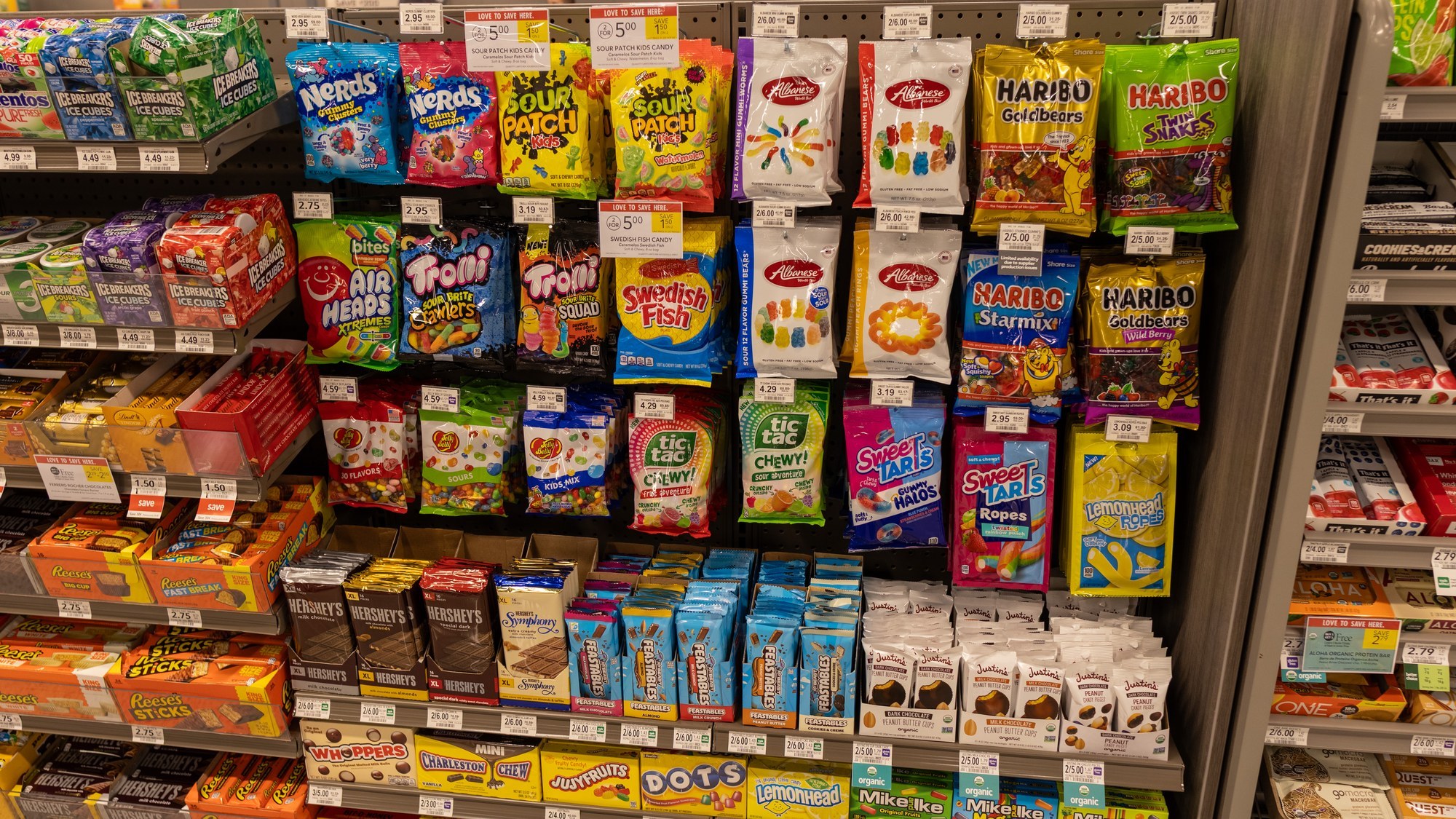
North Dakota’s Department of Health and Human Services sorts the restricted items into three groups. Sweetened drinks are those with 5 grams or more of added sugar, any artificial sweetener, or less than 50 percent juice, and drink mixes count. Energy drinks are those with 65 milligrams of caffeine per 8 ounces or stimulants such as guarana or taurine. Candy covers chocolate bars, gummies, caramels, taffy and licorice.
Plenty stays on the list. The state says all forms of baby formula, milk and milk substitutes, 100 percent juice, unsweetened tea and seltzer without sweeteners remain eligible. So do protein, granola and cereal bars, and baking staples such as honey, sugar, flour, maple syrup and chocolate chips. The waiver does not limit other food purchases.
Retirement deadlines, in your inbox: Miss an enrollment or claim deadline and the money can be gone. The Retirement Money Brief keeps you ahead of the ones that matter, every weekday.
Get the Retirement Money Brief →
We may earn a commission from links on this page.
The rules follow the store, not the cardholder. Someone who shops in North Dakota with a card issued by another state must follow North Dakota’s list at the register, the state says, and the restrictions do not apply when that person shops in another state. For households near a state line, the same card will behave differently on each side of it.
Why November 1 replaced September 1
The postponement came after an August 25 letter from USDA, as the North Dakota Monitor reported. Shiela Corley, the acting administrator of USDA’s Food and Nutrition Administration, cited a federal court case that struck down similar SNAP restrictions in five states. The court faulted USDA for not publishing notice of the restrictions and accepting public comment first.
Corley wrote that USDA planned to publish a Federal Register notice and review public comment before the North Dakota change took effect. USDA posted its request for comments on September 15, with written comments due October 15. November 1 falls 17 days after the comment window closed.
The notice says the waiver would change SNAP’s definition of food to exclude soft drinks, energy drinks and candy. North Dakota first applied on October 24, 2025, and sent a revised request on November 3, 2025. It modified the request on February 27, 2026, to explain the restricted items. USDA approved the initial request on December 10, 2025.
USDA’s North Dakota waiver page says the approval letter carries the signature of Agriculture Secretary Brooke Rollins. The approval runs two years, and on April 22, 2026, the agency approved a state request to modify the definition of restricted foods and beverages. The letter calls the project novel, so USDA says it will watch outcomes closely.
The agency says it will evaluate how the waiver affects SNAP participants and retailers, using state data and quarterly reports, with data collection points and key metrics to be set alongside the state. One piece is still open on that page: the two sides need to finalize a threshold standard for participating retailers.
Comments on the demonstration were optional under the statute and went through Regulations.gov, where commenters’ identities become public. The September 15 notice says USDA was especially interested in how North Dakota implements and operates the project, and it names Corley as the contact for questions.
Rebecca Askins, the department’s economic assistance director, said the pause gives federal partners and retailers time to prepare and gives SNAP households time to get familiar with the changes. She said the new timeframe also lets the department expand its support for the effort.
Fifty-four thousand people, 600 stores and a $4 million bill
About 600 stores across North Dakota accept SNAP benefits, according to the Monitor. The department had planned to spend $3.5 million to $4 million on implementation and enforcement, and the Monitor reported it was unclear whether the delay would change that estimate. The state pursued the waiver partly to compete for more money from the federal Rural Health Transformation Program.
John Dyste, president of the North Dakota Grocers Association, said he learned of the postponement from the state’s public announcement and had not been notified. He said the delay eases pressure on small independent grocers working to update their checkout systems, and added that anyone who expected a simple process “didn’t have a clue.”
The original plan gave retailers a three-month grace period after the start. The state’s announcement does not say whether that period moved with the new date. USDA’s list shows Montana, South Carolina and Virginia on the same November 1 line, and no revised start for North Dakota.
Restrictions change what a card buys. They do not change the renewals and reports a household still owes the state. USDA’s SNAP page is the federal starting point for those rules, and North Dakota’s own page is where the checkout list lives.
The question left for November 1 is a practical one: how many of the roughly 600 stores will have their registers ready on the first day. Shoppers with a cart of drinks and candy will find out at the checkout, which is a hard place to learn a new list.
What happens at the register on November 1?
The restriction changes what a North Dakota EBT card will buy, not what a household has to file. Renewal and reporting dates keep running whether the checkout changes or not, and a household that spends November learning a new shopping list can lose track of them.
The SNAP & Medicaid Renewal Organizer has 51 state packs and a renewal and reporting calendar that puts every date in one place. It is built for households whose SNAP rules change while the paperwork stays the same.
Put SNAP renewal and reporting dates on one calendar in the organizer →
More Financial Reading
- 21 Ways to Stretch a $2,087 Social Security Check
- 15 Places to Find Your Share of the $4.25 Billion States Give Back
- 15 Steps to Stop the Scams That Took $7.7 Billion From Seniors
This article was produced with AI assistance and edited for accuracy against the sources linked above.