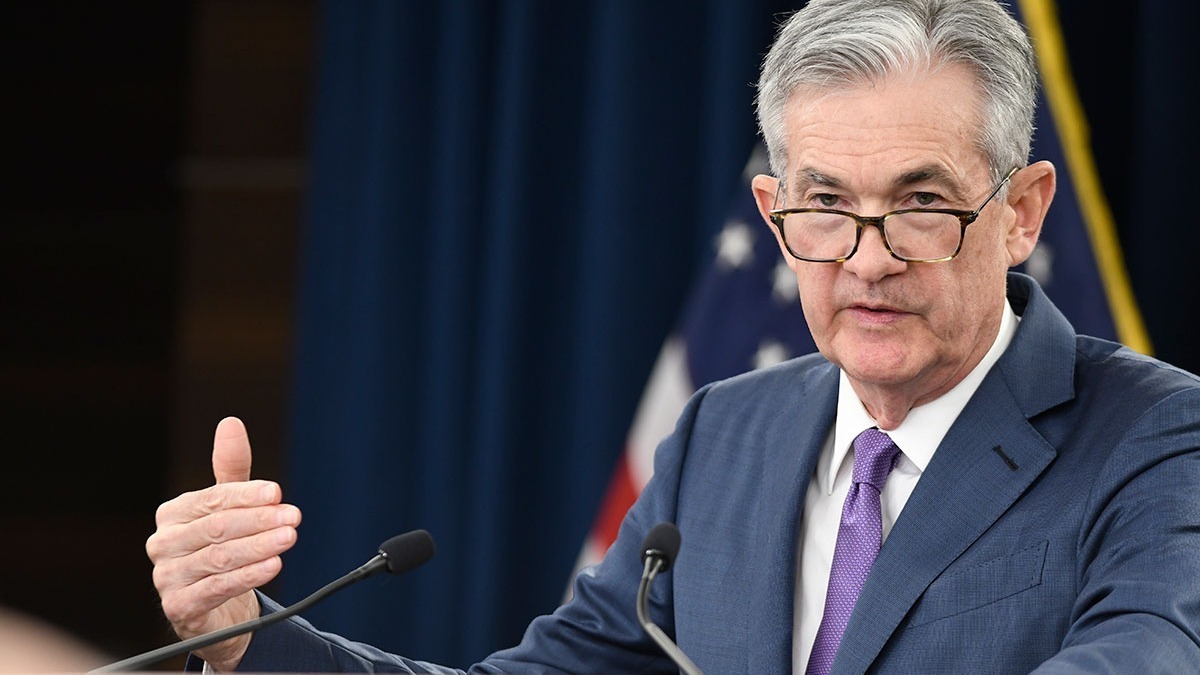
When Jerome Powell walks out of the Eccles Building for the last time as Federal Reserve chair on May 15, 2026, he will leave behind the same problem he spent his final two years trying to solve. Inflation is still running at nearly twice the level he was charged with controlling, borrowing costs remain punishing for households and businesses alike, and his successor inherits a central bank with few good options and no clear exit.
The numbers tell the story bluntly. Consumer prices rose 3.8% year over year in April, according to the Bureau of Labor Statistics. Wholesale costs climbed 6% over the same period. And fed-funds futures, tracked by the CME FedWatch tool, show virtually no expectation of a rate cut through the end of the year. Kevin Warsh, confirmed by the Senate on May 12 to replace Powell, takes the chair at a moment when the Fed’s main policy lever is frozen in place.
The numbers Powell leaves behind
The BLS released its April CPI report on May 12, and the headline figure offered no relief. At 3.8%, year-over-year inflation has barely moved from where it sat at the start of 2026. Core CPI, which strips out food and energy, rose 0.3% month over month. Sustained at that pace, annual core inflation would remain well above the Fed’s 2% target for the foreseeable future.
The wholesale picture is more alarming. The producer price index for final demand jumped 1.4% in April alone and stood 6.0% higher than a year earlier. That gap between what businesses pay and what consumers pay matters because it represents a pipeline of future price increases. Companies facing rising costs for raw materials, shipping, and intermediate goods can absorb the hit by trimming margins for a while, but a 6% wholesale surge creates pressure that has not yet fully reached grocery receipts, rent renewals, or service bills.
On April 29, the Federal Open Market Committee voted to hold the federal funds rate steady at its current target range. The post-meeting statement repeated language that has become familiar: the committee needs “greater confidence” that inflation is moving sustainably toward 2% before it will consider easing. That was the last policy decision of Powell’s tenure, and it amounted to a quiet admission that the work is unfinished.
Who is Kevin Warsh, and what does he inherit?
Warsh is not new to the Fed. He served as a governor from 2006 to 2011, a stretch that included the 2008 financial crisis and the central bank’s first experiments with emergency lending and quantitative easing. A former Morgan Stanley banker, he was among the youngest governors in the institution’s history when George W. Bush appointed him. After leaving the board, he became a fellow at Stanford’s Hoover Institution, where he built a reputation as a critic of prolonged easy monetary policy.
President Trump nominated Warsh earlier this year. The Senate confirmed him on May 12, with the vote reportedly falling along party lines. The timing left no gap in leadership at the top of the central bank.
What Warsh has not done is telegraph a specific playbook. During his confirmation hearings, he offered general pledges to defend price stability but avoided detailed commentary on current inflation readings or the appropriate path for rates. Whether he will maintain the current stance, push for additional tightening, or lean on regulatory and balance-sheet tools remains unclear. Until he speaks publicly as chair, or until the June FOMC meeting produces a new statement and updated economic projections, markets and households are left guessing.
Why rates are likely stuck
The math facing the new chair is straightforward and unforgiving. With headline CPI at 3.8% and core inflation refusing to break lower, cutting rates would risk stoking demand-driven price pressures before the existing ones have cooled. The Fed’s own projections, last updated in its March 2026 Summary of Economic Projections, showed most committee members expecting rates to remain at current levels through at least December. Futures pricing aligns with that view: traders see essentially zero probability of a cut at any remaining 2026 meeting.
For households, the consequences are immediate and concrete. The average 30-year fixed mortgage rate sits above 7%, according to Freddie Mac’s weekly survey for the week ending May 8, 2026. Credit card annual percentage rates are near record highs. Auto loan costs have pushed monthly payments on new vehicles to levels that strain middle-income budgets. None of that eases without a meaningful shift in the inflation data or a dramatic reassessment by the Fed.
Businesses face a parallel squeeze. The 6% rise in wholesale prices means higher bills for everything from steel and lumber to packaging and freight. Some firms have absorbed the hit by cutting headcount or delaying investment. Others have passed costs through to customers, which is part of why consumer inflation has stayed elevated. The longer PPI runs hot, the harder it becomes for CPI to fall on its own, because the cost pressure keeps refreshing from the supply side.
What Warsh’s first weeks will reveal
Three developments will shape whether the inflation picture shifts before summer ends. First, the May CPI report, due in mid-June, will show whether April’s 3.8% reading was a plateau or the start of another leg higher. A number at or above that level would harden expectations that rates stay elevated deep into 2027. Second, Warsh’s first public remarks as chair will be dissected for any signal that he views the current stance as sufficient or wants to go further. Even subtle shifts in language could move bond yields and mortgage rates. Third, the June 17-18 FOMC meeting will produce a new policy statement, a fresh dot plot of rate projections, and a press conference, giving Warsh his first opportunity to put his stamp on the Fed’s direction.
Powell spent his final months holding the line: no cuts, no promises, no timeline. He leaves with inflation still running nearly twice the target he swore to defend and with no clear path back to 2%. Warsh steps into the same office, facing the same numbers, carrying a mandate that has not changed and a problem that has not gone away. The question is no longer whether the Fed will stay restrictive. It is whether restrictive is enough.