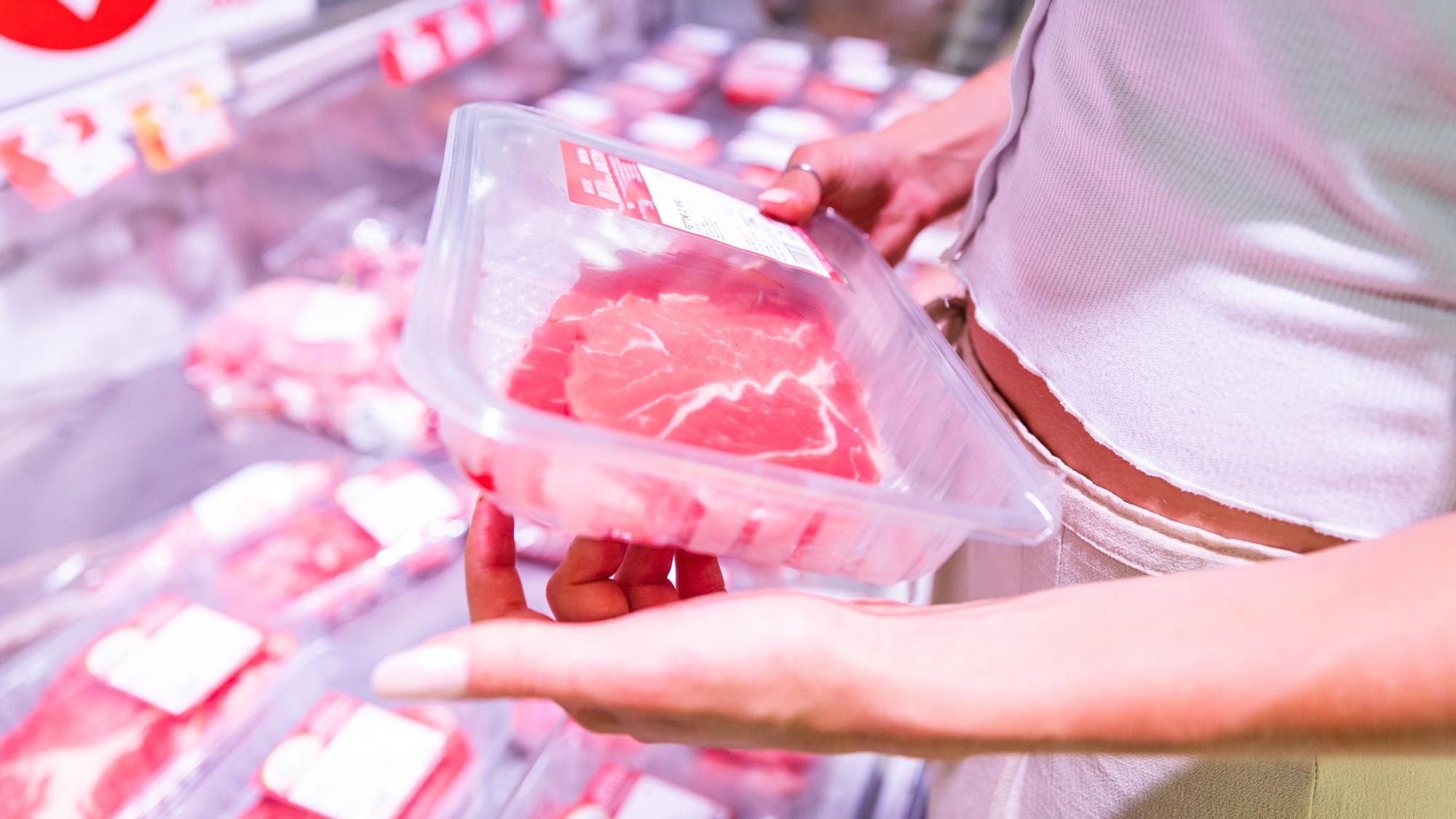
A pound of steak has never cost this much. The Bureau of Labor Statistics recorded the average retail price of uncooked beef steaks at $12.74 per pound in its latest reading, the highest value in more than 60 years of federal grocery tracking. For a household picking up two pounds for a weeknight dinner, that comes to roughly $25.50 before tax, up from about $22 a year ago.
Two federal reports released this week show the pressure is still intensifying. The April 2026 Consumer Price Index, published May 12, put the year-over-year increase for beef and veal at 14.8%, with prices climbing another 2.7% from March alone. That annual rate is nearly four times the 3.8% rise in the overall CPI and far outpaces the broader food-at-home index, which edged up 0.5% on the month.
Then came the Producer Price Index for April, released May 15. The BLS reported that final demand prices rose 6.0% year-over-year on an unadjusted basis and 1.4% from March, with gains spread across goods and services. When wholesale costs climb at that pace, retailers face a stark choice: absorb the hit or hand it to shoppers. The record on the steak shelf suggests most are handing it along.
Why beef stands apart from the rest of the grocery aisle
Plenty of grocery items have gotten more expensive. Beef is getting more expensive faster than almost all of them. At 14.8% year-over-year, beef and veal inflation is running roughly triple the pace of overall food-at-home price growth. Eggs grabbed headlines earlier in 2026 for their own dramatic spikes, but those prices have shown sharp reversals. Steak’s climb has been different: steady, grinding, and so far unbroken.
The BLS Average Price Data program samples the cost of specific grocery items across U.S. cities. The steak series (APU0000FC3101) covers all uncooked beef steaks and stretches back decades. Historical values published through the Federal Reserve Bank of St. Louis confirm that no prior month in the dataset matches the current price. Five years ago, the same pound of steak averaged closer to $9, which means prices have jumped more than 40% since 2021.
The supply squeeze behind the sticker shock
The April CPI and PPI releases confirm the scale of the price surge but do not isolate a single cause. The backdrop, however, is well established. The U.S. cattle herd has been shrinking for years, pressured by persistent drought across major ranching states and the natural economics of the cattle cycle. When feed costs spike and grazing conditions deteriorate, ranchers cull herds rather than absorb losses. According to the USDA’s most recent Cattle Inventory report, the national herd stood at its smallest level since the early 1960s at the start of 2025, and rebuilding has been slow.
Fewer cattle means tighter supply at the packing plant, which pushes wholesale beef prices higher. Those costs flow downstream to grocery retailers, who set the shelf prices consumers pay. The USDA Economic Research Service tracks farm-to-retail margins for Choice beef through its meat price spreads dataset, and the direction of those margins over the past year has consistently pointed to widening gaps between what ranchers receive and what shoppers pay at the register.
Tariffs add another layer of uncertainty
Trade policy is compounding the supply picture. The tariffs imposed and expanded on imports from key trading partners over the past year have raised costs on a range of goods, and the beef market is not insulated. The U.S. imports a meaningful share of its beef, particularly lean trimmings used in ground beef and processed products, from countries including Australia, Brazil, and Canada. Higher duties on those imports reduce the supply of lower-cost beef that historically helped moderate domestic prices. At the same time, retaliatory tariffs from trading partners can dampen U.S. beef exports, shifting more product onto the domestic market but also squeezing rancher revenue and discouraging herd expansion. The net effect is an already tight market with fewer relief valves than it had two years ago.
What wholesale trends signal for the months ahead
The PPI matters for grocery shoppers because it measures what producers and distributors charge before products reach store shelves. A 6% annual increase in final demand prices means businesses across the economy are paying more for inputs, and food is no exception. The topline PPI release does not break out beef as a standalone subcomponent, but the overall direction is clear: upstream costs remain elevated and accelerating.
How quickly those costs reach the checkout lane depends on the retailer. Grocery chains operate on contracts, competitive pricing strategies, and promotional cycles that can delay or soften the pass-through. Some absorb part of the increase to protect market share, especially on high-visibility items like steak that shoppers use as a mental benchmark for whether a store is affordable. Others reprice quickly to defend margins. The result is uneven timing, but the direction tends to be the same: when wholesale costs stay elevated for months, retail prices follow.
How families are absorbing the hit
For the millions of households that treat steak as a regular part of their meal rotation, the budget math has shifted noticeably. A family buying three pounds of steak a week is now spending roughly $38 per trip on that single protein, compared to about $33 a year ago. Over a full year, that difference adds up to more than $260, and it lands on top of price increases in eggs, dairy, and other staples that have already stretched grocery budgets.
Some shoppers are adapting. Grocery industry data has pointed to a gradual shift toward cheaper cuts, ground beef, and alternative proteins like chicken and pork, which have not seen the same degree of inflation. But substitution only goes so far. Steak occupies a specific place in American food culture, from backyard grilling season to weeknight rewards, and many families are simply paying more rather than switching entirely.
Why the cattle cycle makes a quick reversal unlikely
Cattle herd rebuilding is a slow process. A rancher who decides today to retain heifers for breeding rather than sending them to slaughter will not see those animals produce market-ready calves for roughly two to three years. That biological timeline means even if conditions improve, drought eases, feed costs stabilize, and trade friction cools, the supply response will lag well behind the decision to start rebuilding.
For now, the numbers tell a consistent story across every level of the supply chain. Retail steak prices are at a six-decade high. Beef inflation is outrunning nearly every other grocery category. Wholesale costs are still climbing. And the herd that would need to grow to reverse those trends remains near its smallest size in more than 60 years. Until that changes, the price on the label is unlikely to come down.