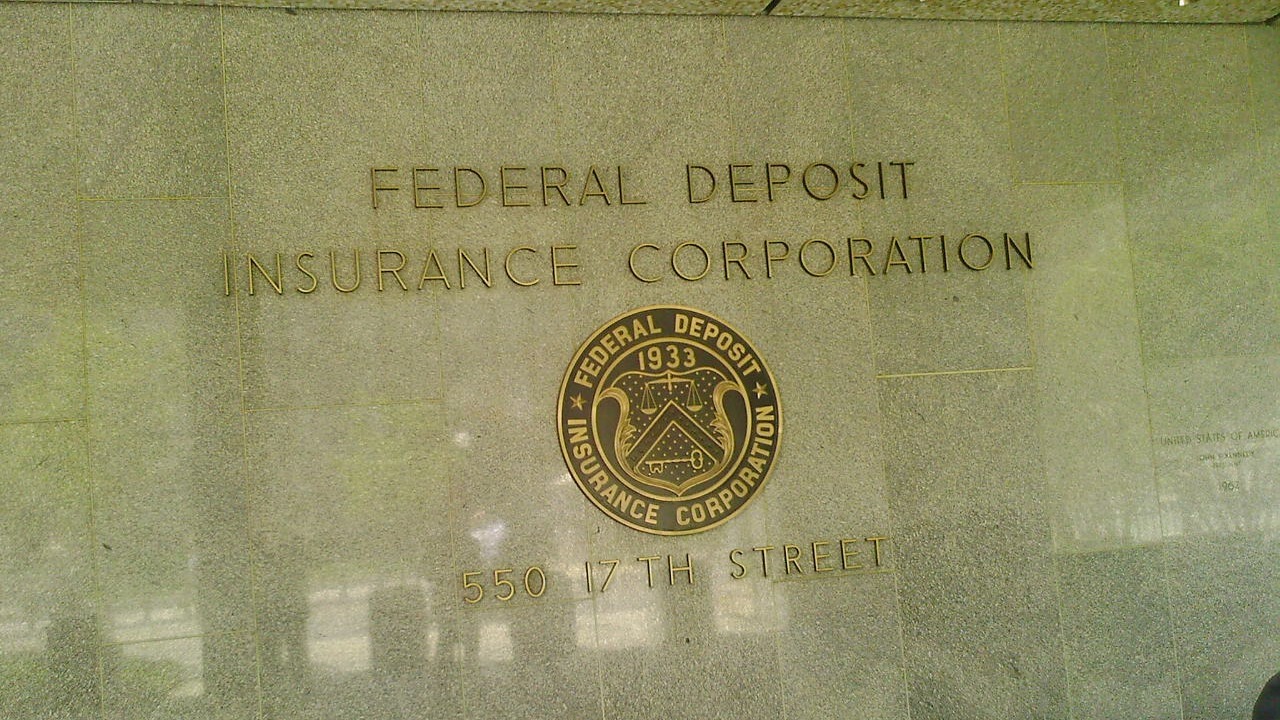
Starting June 9, federal banking regulators will be barred from pressuring banks to shut down customer accounts based on political beliefs, religious views, or constitutionally protected speech. The joint final rule from the FDIC and the Office of the Comptroller of the Currency eliminates “reputation risk” as a supervisory tool, stripping examiners of the leverage they previously used to shape which customers banks served. The change traces directly to Executive Order 14331, titled “Guaranteeing Fair Banking for All Americans,” which defined “politicized or unlawful debanking” and directed agencies to end the practice.
Why the June 9 effective date changes the rules for bank examiners
The rule’s practical effect is narrow but significant. Once it takes hold, no OCC or FDIC examiner can criticize a bank, downgrade its supervisory rating, or take adverse action because of so-called reputation risk tied to a customer’s viewpoint. The final rule published April 10 in the Federal Register spells out the prohibition: regulators may not require, instruct, or encourage banks to close accounts or alter business relationships on that basis.
For individual account holders, the shift removes a hidden layer of government influence over who gets to keep a bank account. Before this rule, examiners could flag a bank’s relationship with a politically controversial customer as a reputational concern during routine examinations. Banks, facing potential regulatory consequences, often chose to sever those relationships rather than fight back. The new rule does not prevent banks from managing genuine safety-and-soundness risks or complying with anti-money-laundering obligations. It specifically targets the regulator side of the equation, blocking agencies from using vague reputational concerns as a proxy for viewpoint-based enforcement.
For banks, the rule offers clearer lines. Institutions remain responsible for assessing credit, operational, and compliance risks, but they are no longer expected to anticipate how an examiner might react to public controversy around a customer. That change could be especially relevant for businesses and nonprofits engaged in polarizing issues, from advocacy groups to firearms dealers, that have long complained of “debanking” driven by regulatory pressure rather than by their own financial condition.
The hypothesis that states with higher volumes of political-complaint filings will see measurable increases in new account approvals for previously flagged customer categories within six months is plausible but untestable right now. No public FDIC or OCC dataset quantifies past account closures explicitly attributed to political or religious views. Without that baseline, any post-rule comparison will lack a denominator. Researchers instead will have to rely on bank self-reporting, litigation records, and consumer complaints, all of which offer only partial windows into how often reputational concerns previously drove account terminations.
Executive Order 14331 and the regulatory paper trail
The rule did not appear in isolation. Executive Order 14331 established federal policy that Americans should not be denied financial services because of protected beliefs, affiliations, or political views. The order defined “politicized or unlawful debanking” to include any denial or termination of services based substantially on such factors and directed the Treasury Department, the banking agencies, and the Consumer Financial Protection Bureau to align their supervision accordingly.
Acting FDIC Chairman Travis Hill responded with a public commitment to issue a rulemaking that would prohibit examiners from criticizing institutions on reputational grounds or directing account closures based on political, social, or religious views, according to his earlier statement on the executive order. In the months that followed, FDIC staff drafted regulatory text and guidance clarifying that examiners must tie any supervisory concern to concrete, identifiable risks such as credit losses, liquidity pressures, or legal violations, rather than to anticipated public backlash.
The OCC moved in parallel. Through Bulletin 2026-23, the agency confirmed that it, along with the FDIC and Federal Reserve, reissued multiple examination manuals and internal guidance documents with the reputation-risk language removed or substantially revised. The bulletin also reminded national banks and federal savings associations that they retain discretion to set risk-based customer acceptance criteria, as long as those criteria do not amount to prohibited discrimination or violate other applicable law.
The joint nature of the effort is underscored in the agencies’ announcement of the final rule. In that release, the FDIC and OCC emphasized that eliminating reputation risk as a formal supervisory category is intended to prevent misuse, not to minimize the importance of public trust in the banking system. They stressed that banks should still consider how misconduct, fraud, or unsafe practices could damage their standing with customers and counterparties; the difference is that examiners must now ground any criticism in specific, demonstrable risks rather than in generalized concern about controversy.
What changes for customers and banks on June 9
When the rule becomes effective, customers who believe they were denied accounts for political or religious reasons will have a clearer argument that such decisions were made by banks alone, not at the behest of federal examiners. The agencies have not created a new private right of action, but the removal of reputation risk from the supervisory toolkit may surface in future lawsuits and congressional oversight as evidence that viewpoint-based pressure is officially out of bounds.
For banks, the immediate task is mostly internal. Compliance teams must update policies, training materials, and documentation practices to reflect the new standard. Examiners, in turn, will be expected to tie any criticism of a bank’s customer relationships to specific legal or prudential concerns. Over time, that could make supervisory discussions more evidence-based and less influenced by shifting political winds.
Whether the change ultimately reduces allegations of politicized debanking will take years to assess. For now, the June 9 effective date marks a formal boundary: federal regulators are stepping back from using reputational concerns to steer which lawful customers banks may serve, leaving those decisions to be made openly by the institutions themselves.