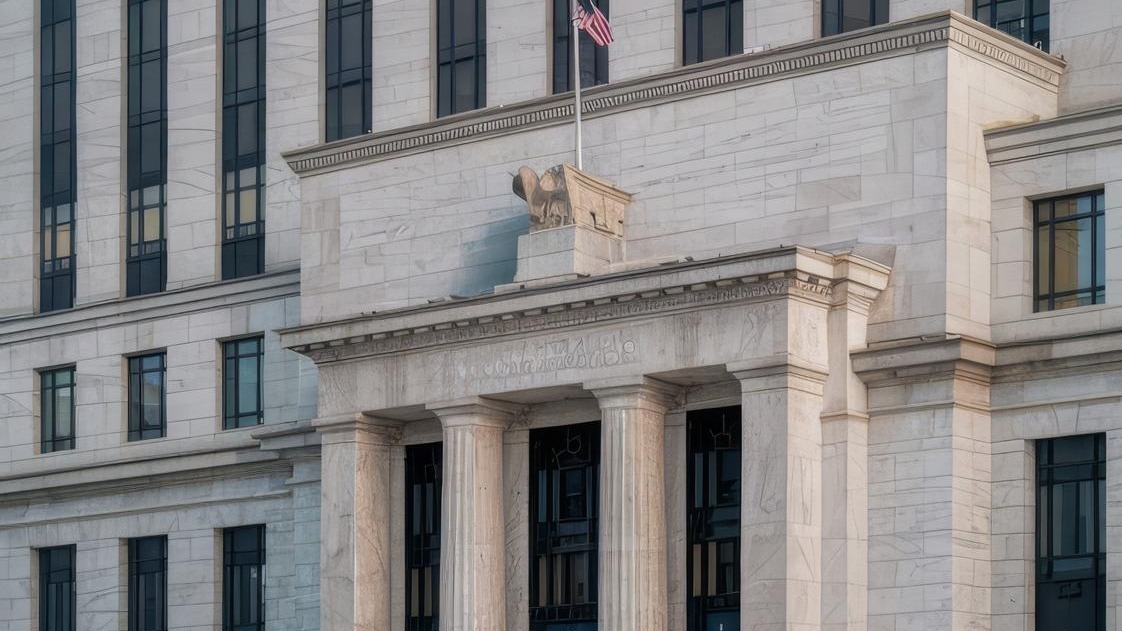
Homebuyers and current borrowers face a direct hit to their wallets after the average 30-year fixed mortgage rate climbed to 6.55 percent, its highest level in nearly a year. The Federal Reserve’s June 16-17 meeting minutes show policymakers tilting toward tighter policy rather than easing, a shift that could push borrowing costs even higher in the months ahead. For anyone shopping for a home or weighing a refinance, the math just got harder.
Why a Rate Hike Is Back on the Table After June’s FOMC Meeting
The Federal Open Market Committee met on June 16-17, 2026, and the official minutes reveal a committee increasingly worried about inflation risks. Participants judged that upside risks to inflation had increased, and staff surveys pointed to tighter financial conditions across credit markets. That language marks a clear departure from earlier in the year, when futures markets still priced in at least one rate cut before year-end.
The practical effect is straightforward. If policymakers follow through and raise the federal funds rate, short-term borrowing costs rise first, but mortgage rates tend to move in the same direction as Treasury yields adjust. A borrower locked in at 6.55 percent on a $400,000 loan already pays roughly $2,540 per month in principal and interest. Even a quarter-point increase in the mortgage rate would add about $60 per month, or more than $700 a year, to that payment. For households already stretched by sticky consumer prices, that gap matters.
The hypothesis worth tracking: if the next two Consumer Price Index reports come in above 2.8 percent, futures markets will likely reprice the odds of a September hike faster than mortgage-rate spreads can widen. That mismatch could produce a measurable lag in housing starts within 60 days, as builders pause projects while waiting for financing costs to settle. The sequence is not guaranteed, but the Fed’s own risk assessment now points in that direction.
Freddie Mac Data and the Fed’s Rate Releases Tell the Same Story
The 6.55 percent average comes from Freddie Mac’s Primary Mortgage Market Survey, the benchmark weekly reading tracked by lenders, analysts, and policymakers. The MORTGAGE30US series distributed by the Federal Reserve Bank of St. Louis through its FRED platform gives the data wide visibility. The rate has climbed to its highest level in nearly a year, according to reporting that sources the figures directly from the PMMS.
The Board of Governors’ H.15 daily release of selected interest rates reinforces the trend. That release tracks the effective federal funds rate, constructed from transaction data reported on Form FR 2420, alongside Treasury yields and other benchmarks. When both the weekly mortgage survey and the daily rate release move higher in tandem, it signals broad-based tightening across the yield curve, not just a blip in one corner of the bond market.
Together, these datasets paint a consistent picture. Short-term rates remain elevated at the Fed’s target range, longer-term Treasury yields have climbed, and mortgage rates have followed. The gap between the 10-year Treasury yield and the 30-year mortgage rate, often called the spread, has stayed wide by historical standards, reflecting both investor concern about inflation and heightened risk premiums in mortgage-backed securities. As long as that spread remains elevated, even modest moves in Treasury yields can translate into outsized changes in what homebuyers actually pay.
What Higher Mortgage Rates Mean for Buyers and Owners
For would-be buyers, the immediate consequence is reduced purchasing power. Lenders qualify borrowers based on debt-to-income ratios, and at a 6.55 percent rate, the same monthly budget supports a smaller loan than it would have a year ago. Some households will respond by lowering their price range or shifting to smaller properties; others may step back from the market entirely, hoping for relief that may not arrive soon.
Current homeowners are affected differently. Those who locked in ultra-low rates earlier in the decade have little incentive to move or refinance, a dynamic that keeps existing-home inventory tight. Owners with adjustable-rate mortgages, however, face reset risks as benchmark rates climb. For them, each Fed meeting now carries the possibility of a higher payment within months, not years.
Refinancing calculus has also flipped. Cash-out refinances, which surged when rates were lower, now look far less attractive because borrowers would be trading cheaper debt for more expensive loans. That could limit the flow of home-equity-funded spending into the broader economy, removing a source of support for consumer demand just as policymakers are trying to cool inflation.
Housing Market Strains and Policy Crosscurrents
Higher borrowing costs are already feeding into broader housing stress. An Associated Press analysis of recent market conditions describes buyers confronting a mix of elevated prices, limited inventory, and rising rates that together make affordability the worst it has been in years. Builders, meanwhile, must decide whether to break ground on new projects when financing, labor, and materials all cost more.
That tension creates a policy dilemma. The Fed is focused on returning inflation to its 2 percent goal, even if that means tighter financial conditions and a cooler housing market. Yet housing is also a key channel through which monetary policy affects the real economy. If higher rates choke off construction too abruptly, the resulting supply shortfall could keep home prices high, undermining affordability even as demand softens.
For now, the message from both the mortgage data and the Fed’s own communications is clear: borrowing costs are unlikely to fall meaningfully unless inflation shows more convincing progress toward target. Buyers, sellers, and homeowners will need to navigate a market where patience, careful budgeting, and realistic expectations matter more than they have in years.
Free for readers: The free Retirement Shield newsletter sends plain-English help keeping more of your money in retirement — the scams to dodge, the benefits you’re owed, and what’s changing with Social Security and Medicare, a couple times a week. Get the free newsletter.