A retiree who defaults on an old federal loan can lose more than a strongly worded letter. The federal government has a standing mechanism that intercepts a tax refund or a Social Security payment before it ever reaches a bank account, redirecting the money toward the debt instead, and the rules for how much can be taken depend entirely on which type of payment is on the line and how large the underlying debt is.
How an Overdue Federal Debt Ends Up Intercepting a Payment
The tool behind this is the Treasury Offset Program, run by the Treasury Department’s Bureau of the Fiscal Service, which matches people who owe delinquent debts against money the federal government is about to pay them, whether that payment is a tax refund or a monthly benefit. In fiscal year 2024, the most recent full year for which Treasury has published a total, the program recovered more than $3.8 billion in delinquent federal and state debt this way, a scale that reflects how routinely the matching process runs in the background of ordinary federal payments. A debt does not land in the program overnight. Federal law requires the agency owed the money to first send a written notice at least 60 days before referring the debt, explaining the debt, warning that offset is coming, and spelling out the debtor’s right to dispute the amount or arrange payment, according to Treasury’s own description of how the program works. Debts generally move into the program once they are 120 days overdue, and the agency has to confirm the debt is valid and legally enforceable before that referral happens. Once a match is found between a payee’s name and taxpayer identification number and a debt already sitting in the program’s database, the payment is reduced automatically at the moment of disbursement, and a follow-up letter explains why the amount received was smaller than expected.
Free retirement updates: One number can cost or save hundreds of dollars a month in retirement. The free Retirement Shield newsletter surfaces the ones worth knowing. Sign up free.
Why a Tax Refund Can Disappear Entirely
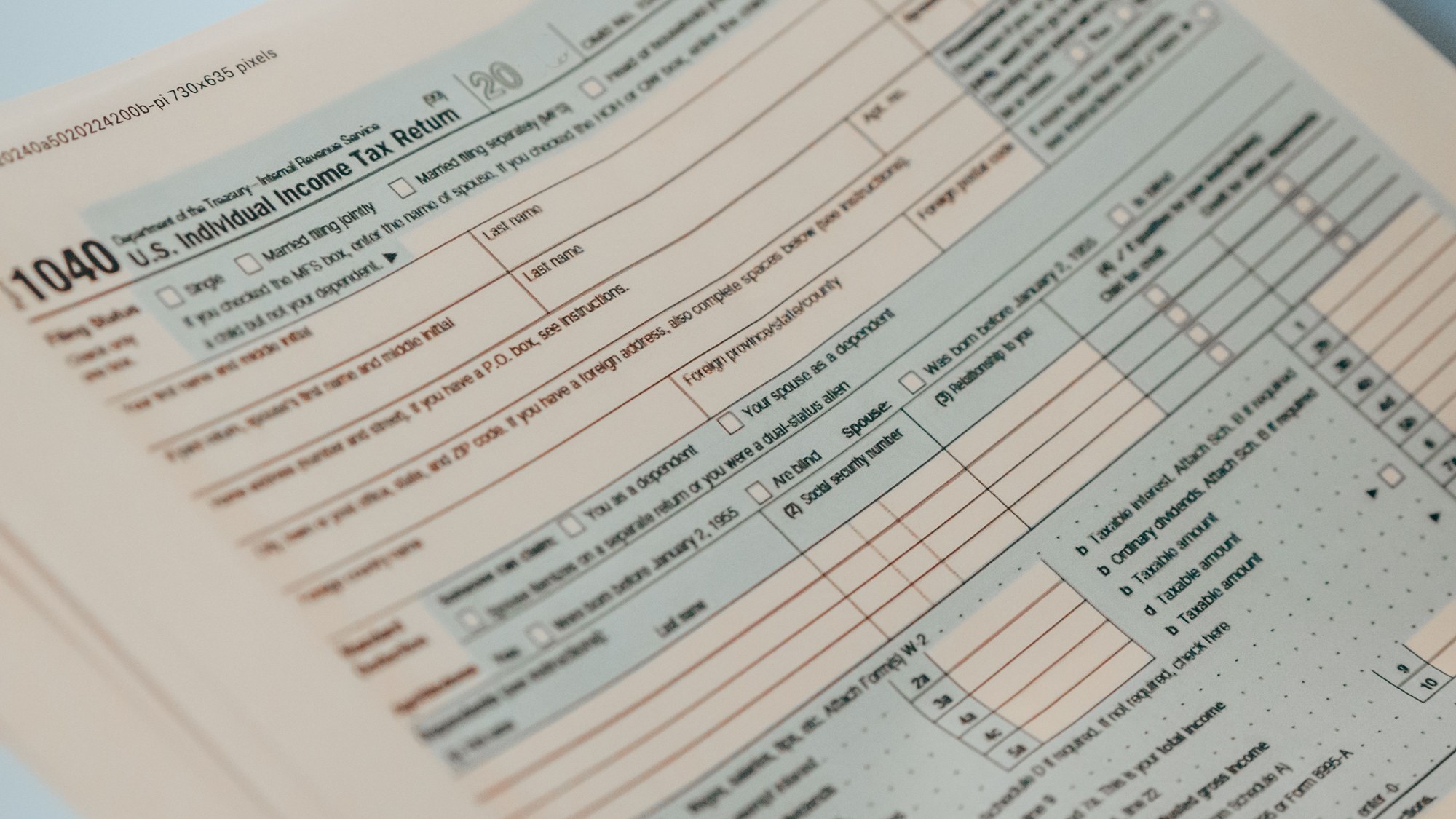
A tax refund gets no special protection once a debtor is confirmed to owe a delinquent federal non-tax debt. Treasury’s own reference chart for the offset program lists a federal tax refund applied against a federal non-tax debt at a full 100% offset rate, meaning the entire refund can be applied to the debt if the debt is large enough to absorb it. That authority traces back to specific statutes governing tax refund offsets, and it applies regardless of whether the underlying debt is a defaulted student loan, an overpaid federal benefit, or another delinquent obligation owed to a federal agency.
The Protected Floor Built Into a Social Security Offset
Social Security benefits are not treated the same way, because a retiree living on a monthly check cannot simply lose the whole payment to an old debt. Under the regulation governing benefit offsets, the amount taken from a monthly Social Security payment is capped at whichever is smaller: 15% of that month’s benefit, or the amount by which the benefit exceeds $750. A benefit of $850, for example, can only be reduced by $100, the amount above the $750 floor, since that is less than the $127.50 that 15% would otherwise allow. A larger benefit of $1,250 gets offset at the full 15%, or $187.50, because in that case the percentage figure is the smaller number. Either way, the math guarantees a beneficiary keeps at least $750 of a monthly check that exceeds that amount, and keeps the whole payment if it is $750 or less to begin with. That $750 floor and the 15% ceiling apply only to the non-tax debt path through the Treasury Offset Program; a federal tax debt collected against Social Security through a separate levy authority runs on its own 15% rate under the tax code rather than the $750 floor used for other kinds of federal debt, so the specific type of debt behind an offset changes exactly how the calculation works, not just how much money is ultimately at stake.
Which Payments Are Off Limits, and How the Debt Gets Resolved
Not every federal benefit is exposed to this kind of collection. Supplemental Security Income is fully exempt from the Treasury Offset Program, and Social Security debtors can only be referred into the program under specific conditions: Social Security’s own guidance lists the debtor being primarily liable for the debt, having been at least 18 years old when the debt arose, currently receiving benefits, and owing at least $25, among the qualifying criteria. Someone who believes an offset is a mistake, or wants to resolve the debt before it reaches this stage, has to work directly with the agency that is owed the money rather than with the offset program itself, since Treasury’s disbursing side only executes the deduction and cannot negotiate the underlying debt, refund money already collected, or discuss a payment plan.
This article was produced with the assistance of AI and reviewed by The Financial Wire editorial team.
More Financial Reading
- The ideal retirement withdrawal rate so your savings actually last
- Adding someone to your bank account: tax traps and smart moves